The sights
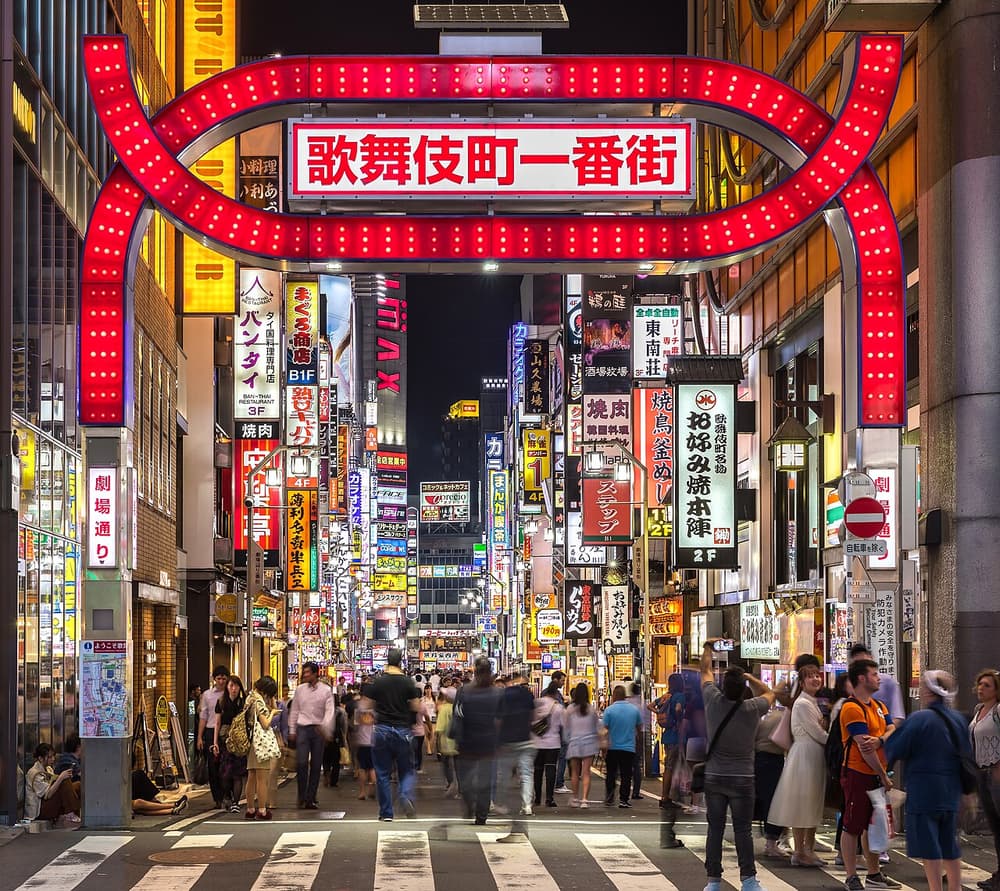
Kabukicho
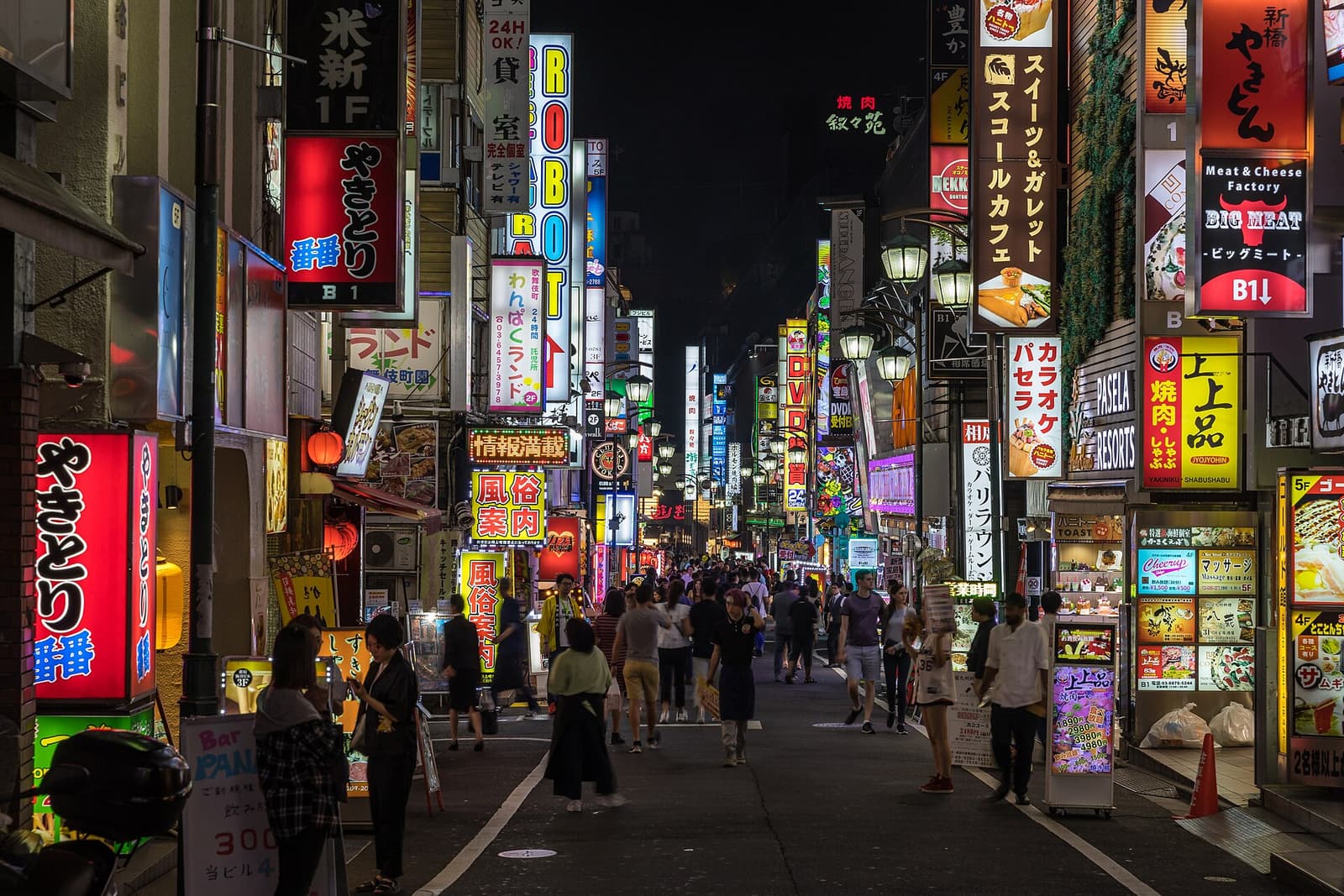
Tokyo’s largest entertainment district, entered under a red neon gate on Yasukuni-dori. Come for the lights, the life-size Godzilla head peering over the Toho cinema building, arcades, karaoke and late-night ramen. It is safe to walk through, but ignore street touts and never follow one into a bar.
ℹ️ Always open; liveliest from about 7 pm to midnight. Free to walk around. Allow 1 hour.
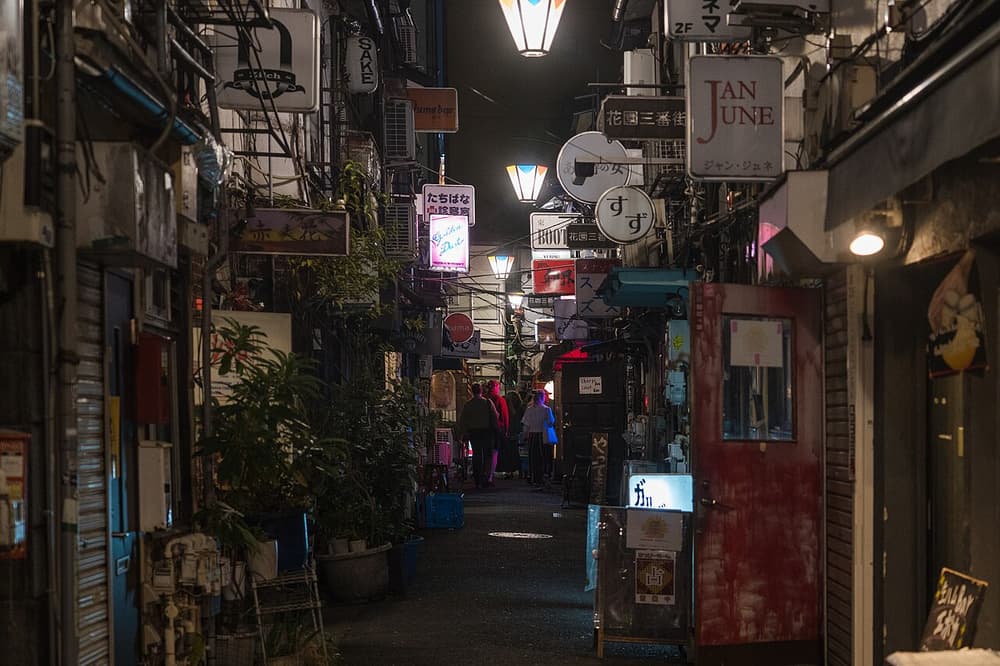
Golden Gai
Six narrow alleys holding around 200 bars, most with fewer than ten seats, in two-storey wooden buildings that survived the redevelopment around them. Each bar has its own theme and regulars. Many now welcome visitors; look for English signs and posted cover charges.
ℹ️ Most bars open from around 8 pm until late. Cover charges are common, often about ¥500–1,500 per person, plus drinks. Photography of people and interiors is discouraged.
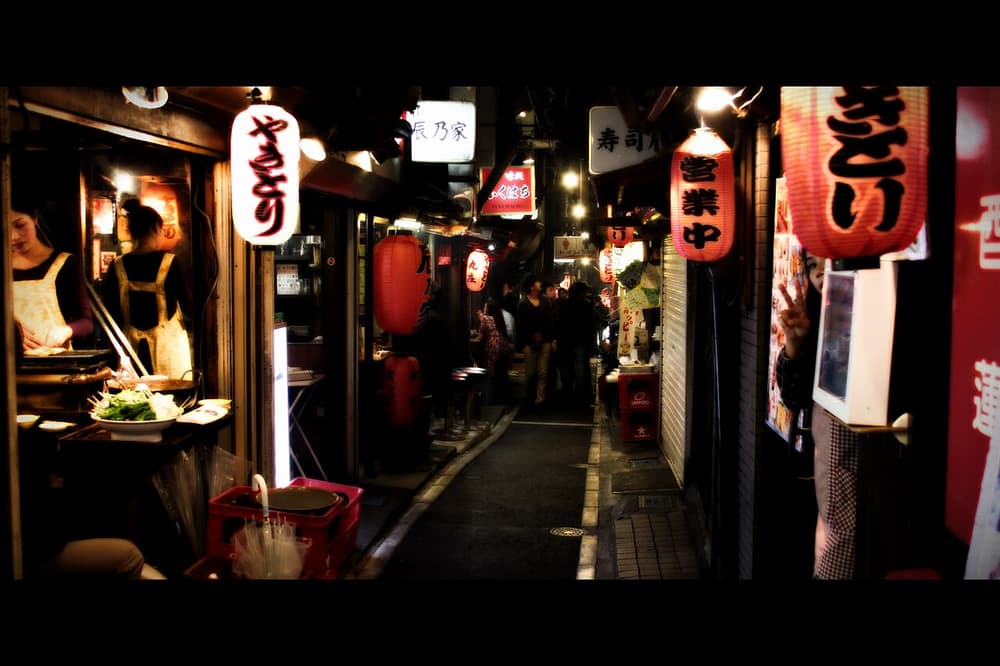
Omoide Yokocho
“Memory Lane” — a tight lane of yakitori and offal grills beside the tracks on the west side, descended from a post-war black market. Smoke, lanterns and counters for eight people; you order skewers and a beer and move on.
ℹ️ Evenings are best, from about 5 pm; some counters open for lunch. Expect a small seating charge. Allow 1 hour.
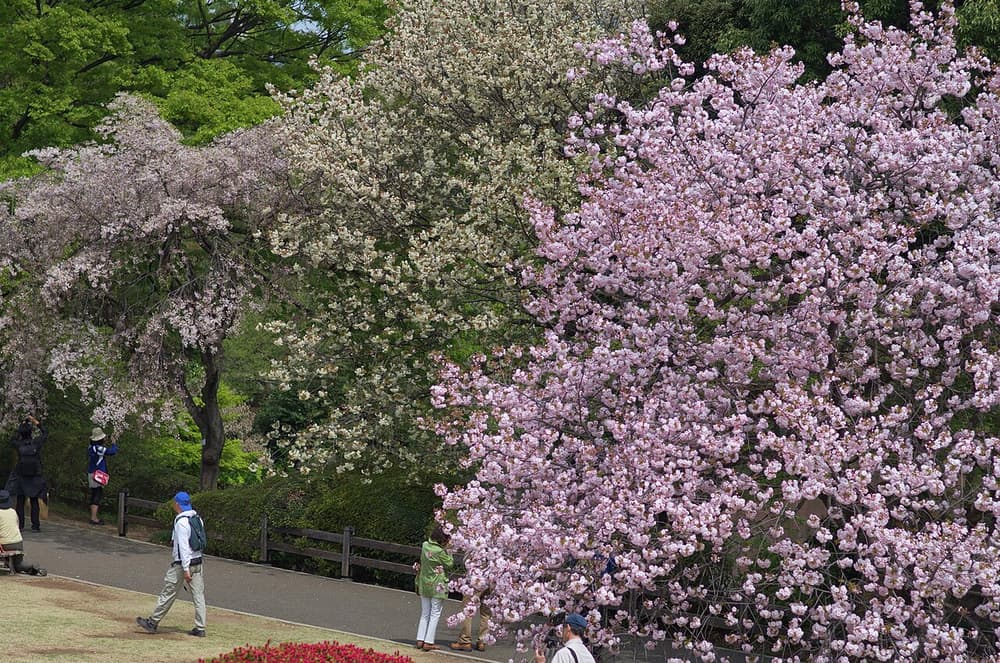
Shinjuku Gyoen National Garden
A 58-hectare former imperial garden with French formal, English landscape and Japanese traditional sections, plus a large greenhouse. With many cherry varieties it has one of the longest blossom seasons in Tokyo, and the maples and ginkgo are superb in late November.
ℹ️ Usually 9:00–16:30 or later depending on season; closed Mondays (open daily in peak sakura season). Admission about ¥500. No alcohol; advance reservations may be required on peak sakura days. Allow 1.5–2 hours.
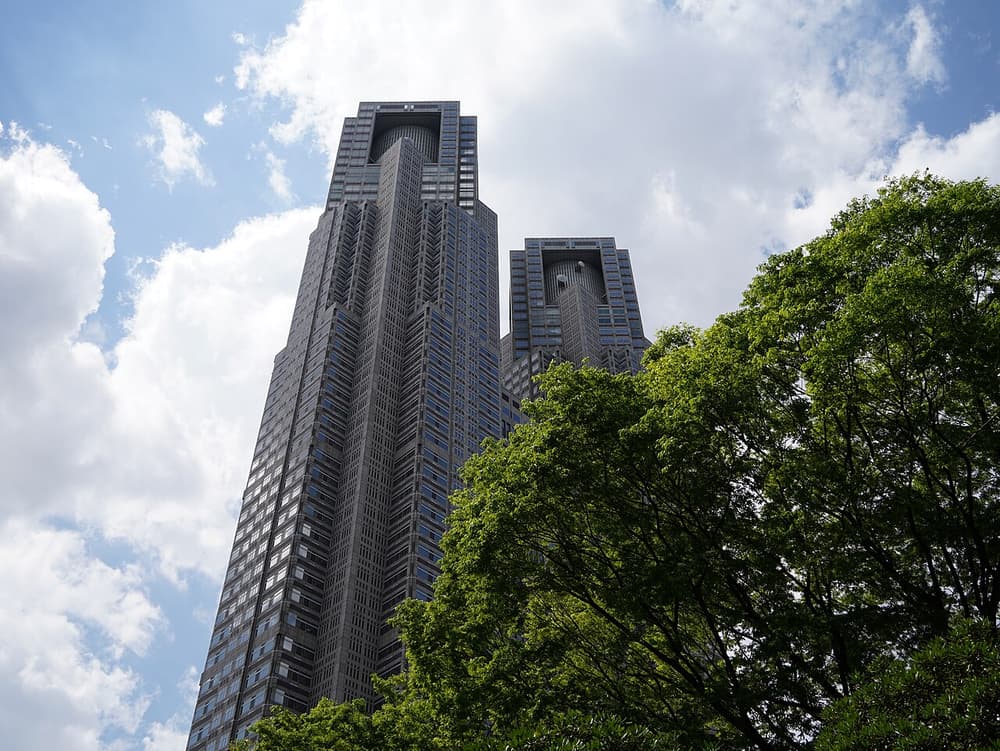
Tokyo Metropolitan Government Building observatories
Kenzo Tange’s twin-towered city hall has free observation decks on the 45th floor, 202 metres up. On clear winter days you can see Mount Fuji; after dark the building itself becomes the canvas for a nightly projection-mapping show.
ℹ️ Free. Decks are typically open from 9:30 until around 22:00, with regular closure days that differ for the north and south towers — check before you go. Allow 45 minutes.
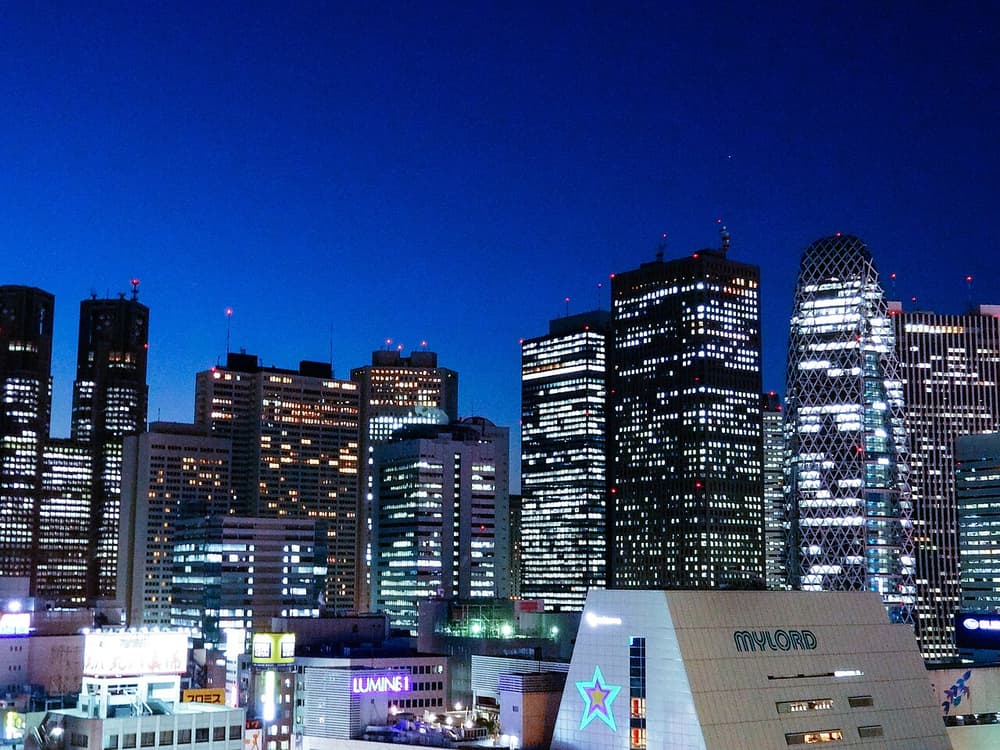
Nishi-Shinjuku skyscraper district
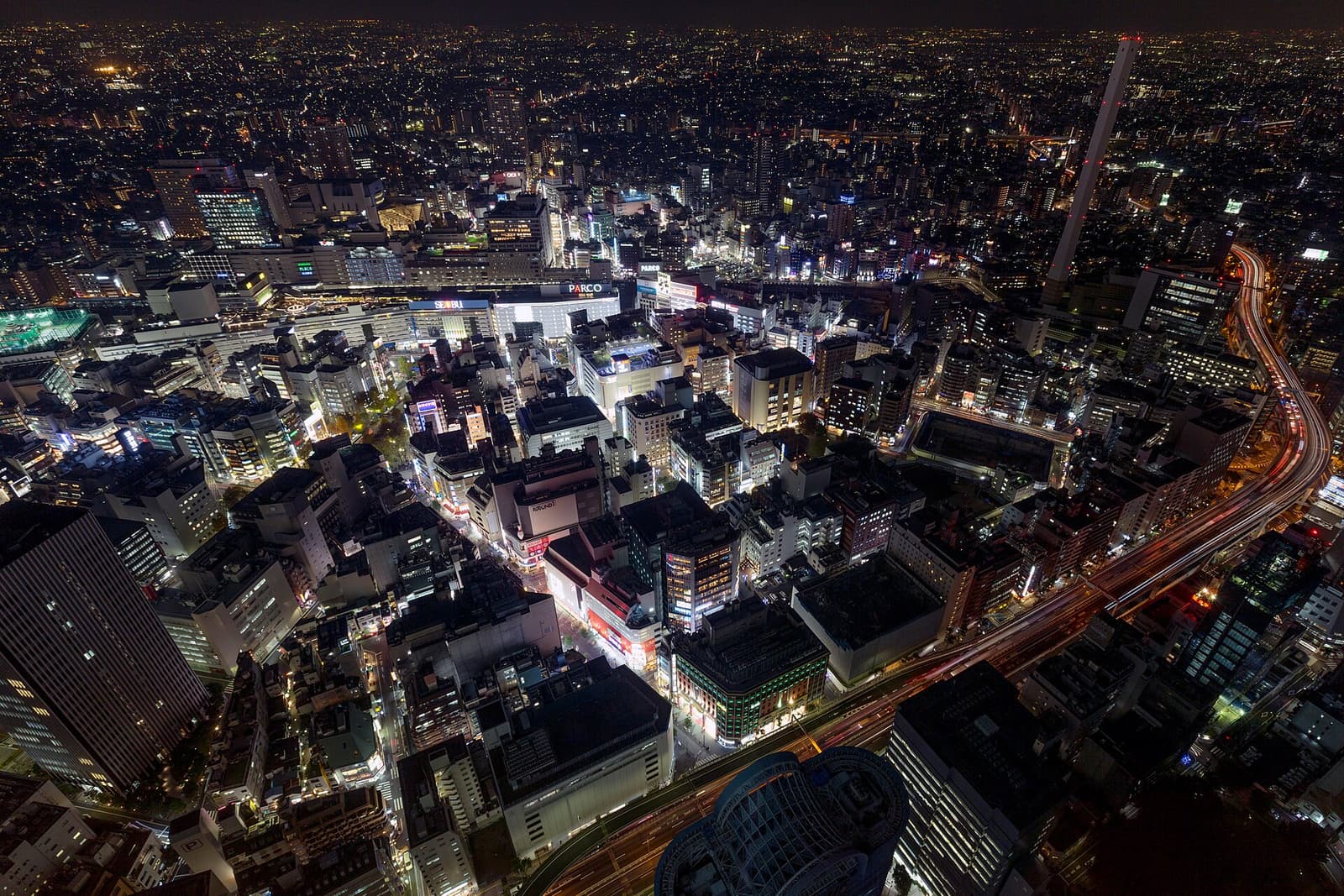
The cluster of towers west of the station is Tokyo’s original high-rise quarter. Walk it at dusk for the cocoon-shaped Mode Gakuen tower, the “LOVE” sculpture and hotel bars with a view, including the Park Hyatt of “Lost in Translation” fame.
ℹ️ Free to walk; 10 minutes from the station’s west exit through the underground concourse. Allow 45 minutes.