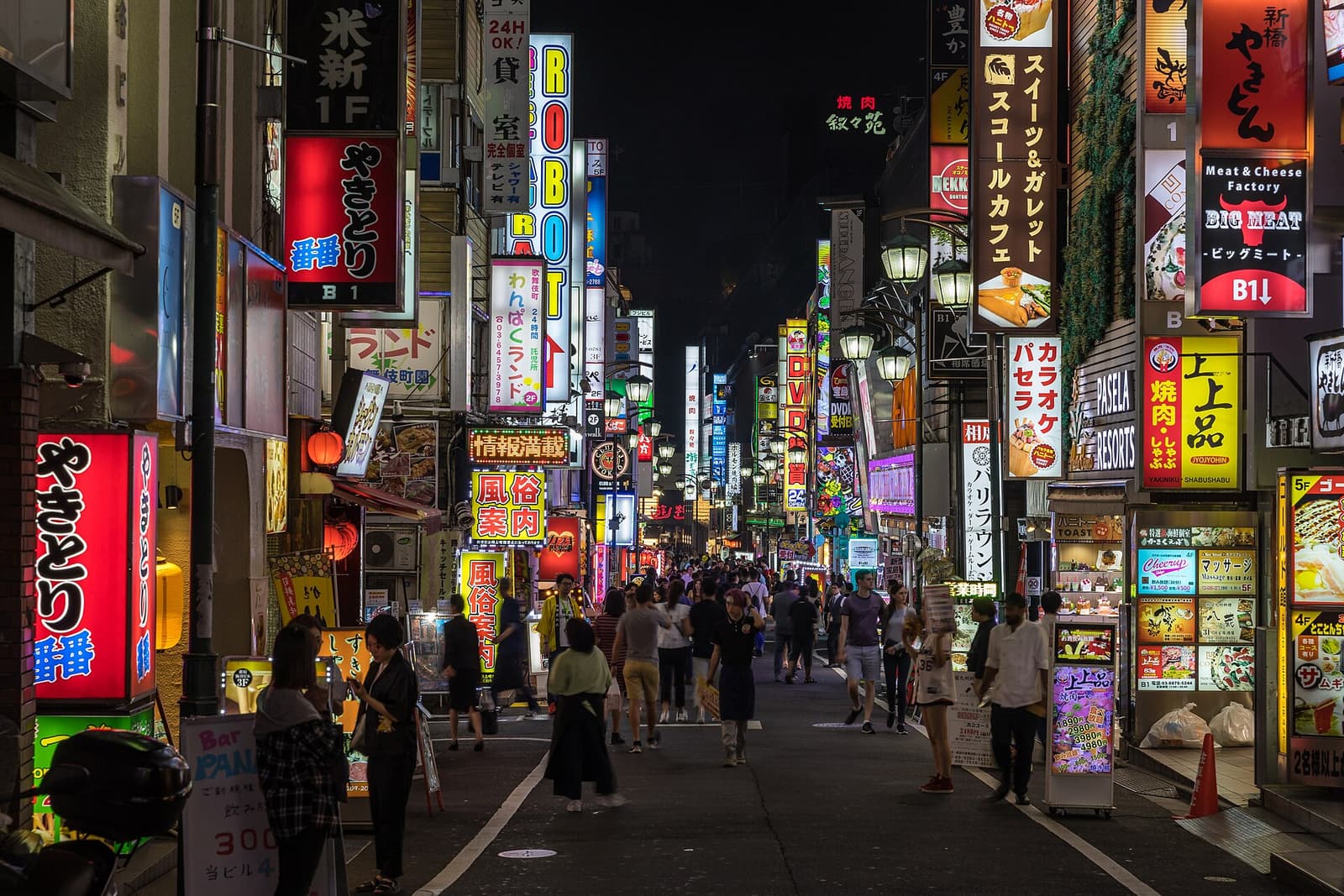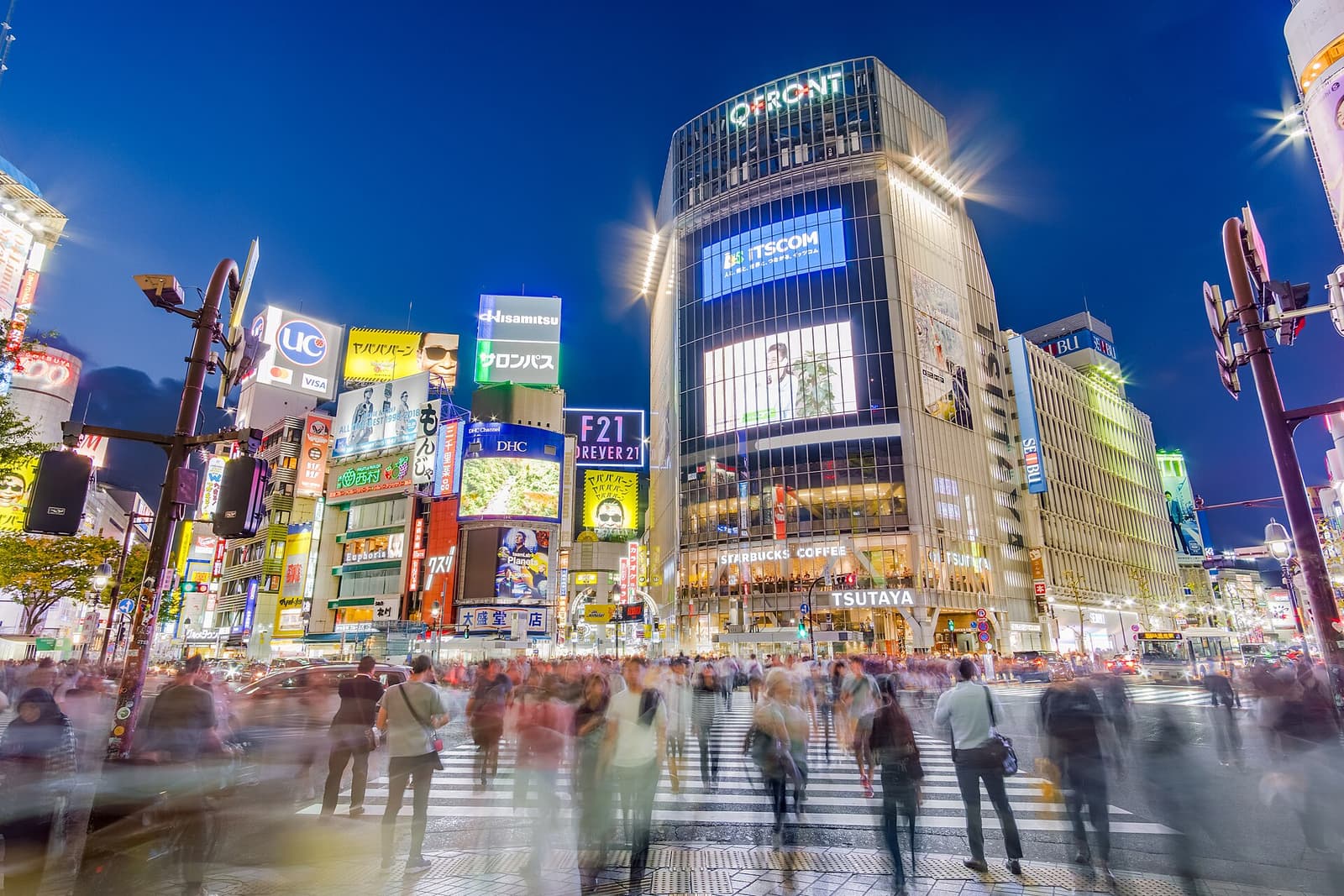
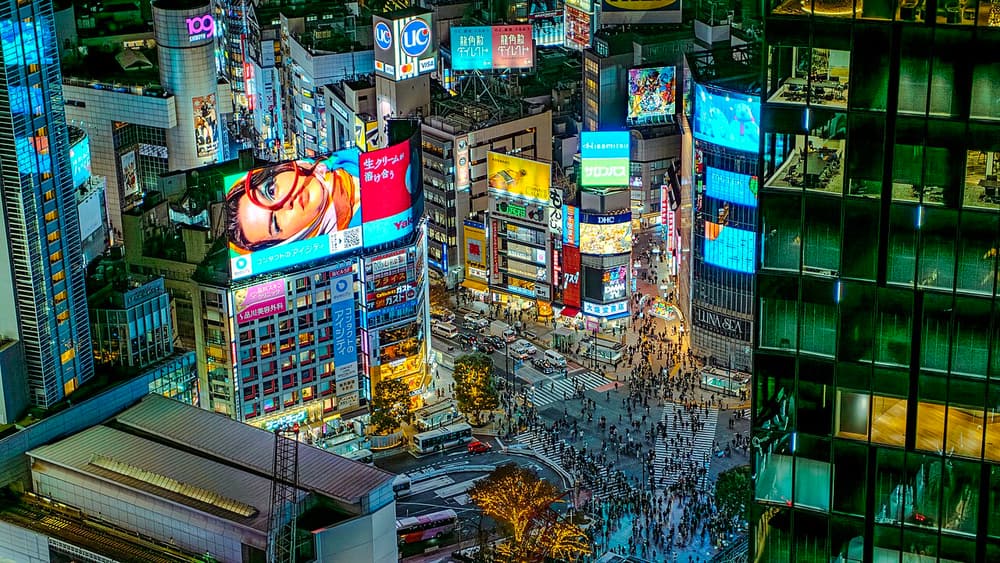
Every couple of minutes the lights outside Shibuya Station turn red in all directions and up to a few thousand people cross at once. The Scramble Crossing is the image of modern Tokyo, and the district around it has been rebuilt in the last decade into a cluster of towers with viewing decks, rooftop parks and food halls. This is where Tokyo’s youth culture, music and nightlife are concentrated.
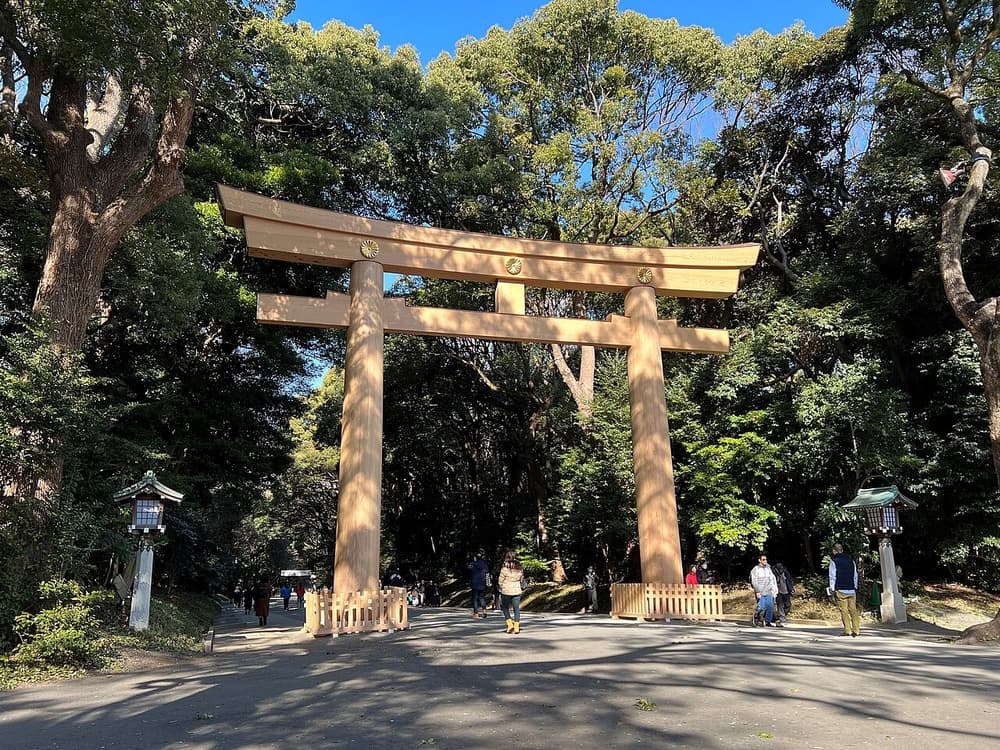
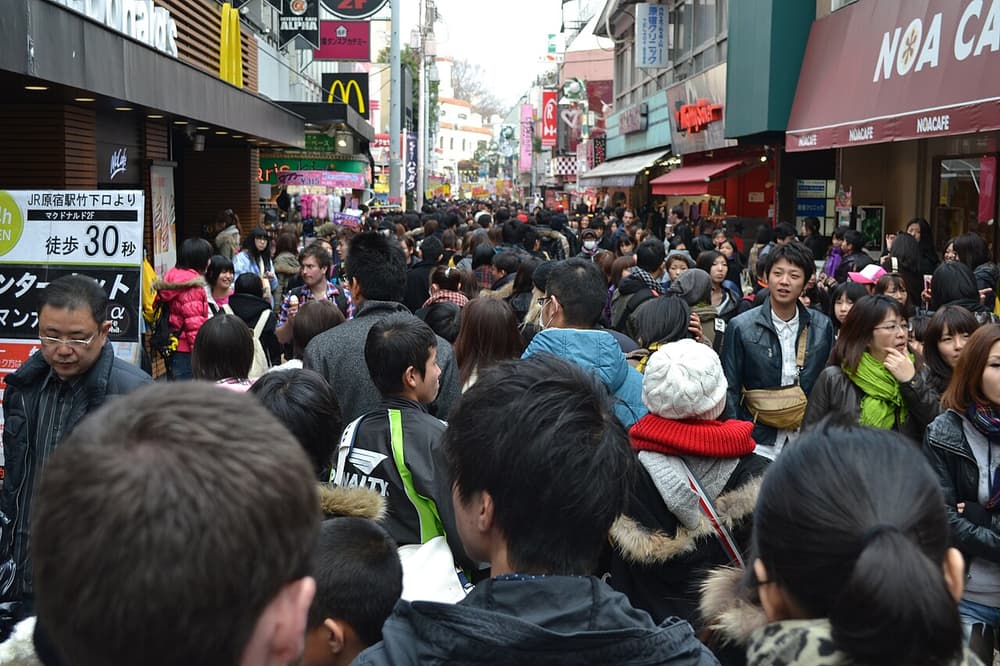
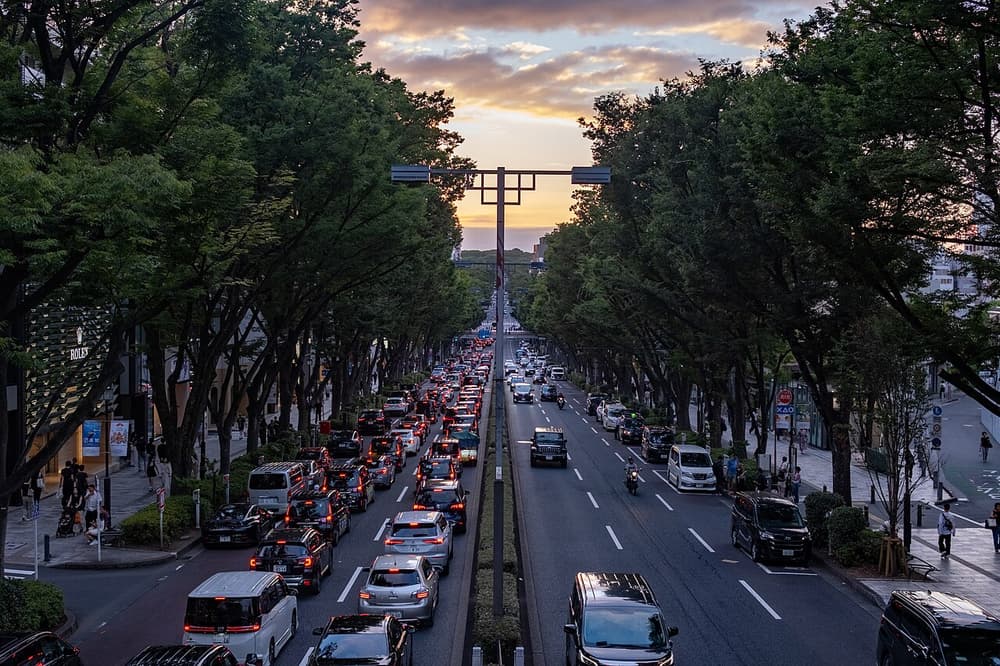
A 15-minute walk north (or one stop on the Yamanote Line) is Harajuku. Its two faces sit side by side: Takeshita Street, a narrow lane of crêpes, cosmetics and teenage fashion, and Meiji Jingu, a Shinto shrine hidden in a forest planted a century ago. Between Harajuku and Shibuya runs Omotesando, a zelkova-lined avenue of flagship stores by famous architects, and the back lanes of Cat Street. You can link all of it on foot in a day.
Highlights
- Crossing the Shibuya Scramble — then watching it from above
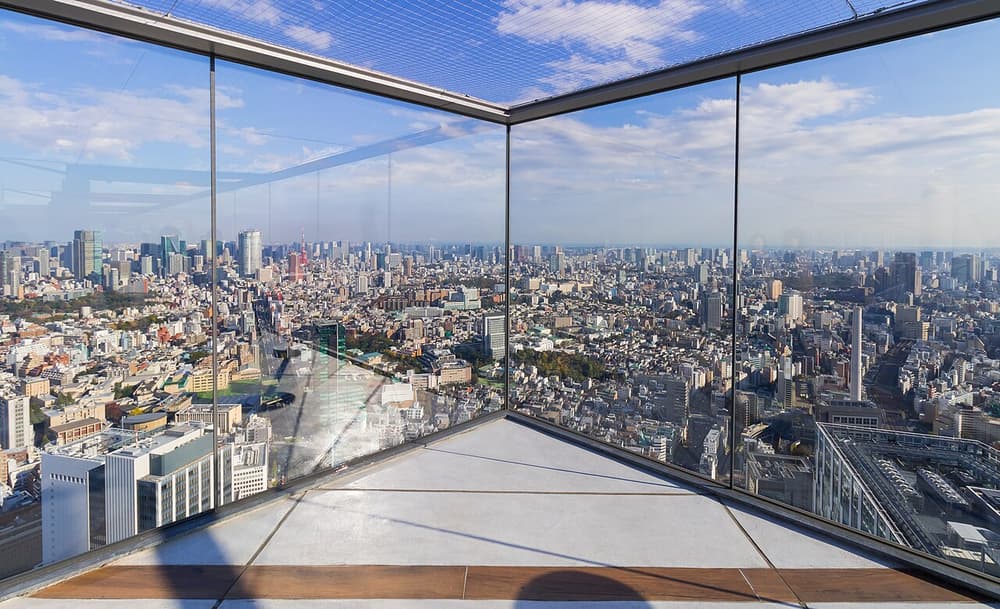
- Sunset from Shibuya Sky, the open rooftop about 229 metres up
- The gravel paths and giant torii of Meiji Jingu
- Crêpes and people-watching on Takeshita Street
- Architecture and boutiques along Omotesando and Cat Street
- Go-karts, sumo shows and ramen classes within walking distance
Shibuya & Harajuku in pictures
How long to stay and where to base yourself
How long: one full day covers both districts comfortably: Harajuku and the shrine in the morning, Omotesando over lunch, Shibuya for sunset and the evening.
Where to base yourself: Shibuya suits travellers who want restaurants and nightlife at the door and easy trains to Yokohama and Shinjuku; hotels cluster around the station towers and up Dogenzaka. Harajuku and Omotesando have fewer hotels but quieter nights. Compare the alternatives in our where to stay in Tokyo guide.