- How to plan your days in Tokyo
- 3 days in Tokyo: the essentials
- 5 days in Tokyo: the city plus Mount Fuji
- 7 days in Tokyo: the city in depth
- Adapting the plan
- What to book in advance
How to plan your days in Tokyo
Tokyo punishes over-ambitious plans. Distances are large, stations are big and there is always something unexpected to look at. Three rules make any itinerary work:
- One side of the city per day. Pair districts that are neighbours — east with east, west with west — and you will spend your time in the streets, not underground.
- One fixed booking per day. Build each day around a single timed ticket or tour (teamLab, Shibuya Sky, a food tour) and keep the rest flexible.
- Daytime sights, then night districts. Temples, museums and gardens mostly close by 17:00; Shinjuku, Shibuya and the observation decks are at their best after dark.
The plans below assume full days in the city. On your arrival day, especially after a long-haul flight, do something easy near your hotel. Links lead to our destination guides, each of which has its own sample plans.
3 days in Tokyo: the essentials
Enough for the classic districts and one big experience a day.
| Day | Morning | Afternoon | Evening |
|---|---|---|---|
| Day 1 — Old Tokyo | Asakusa: Senso-ji before 9:00, Nakamise, optional kimono | Ueno: Tokyo National Museum or Ameyoko; or a walk in Yanaka | Tokyo Skytree at sunset, or Akihabara lit up |
| Day 2 — New Tokyo | Harajuku: Meiji Jingu, Takeshita Street, Omotesando | Shibuya: the crossing, shopping, Shibuya Sky near sunset | Shinjuku: Omoide Yokocho, Kabukicho, Golden Gai |
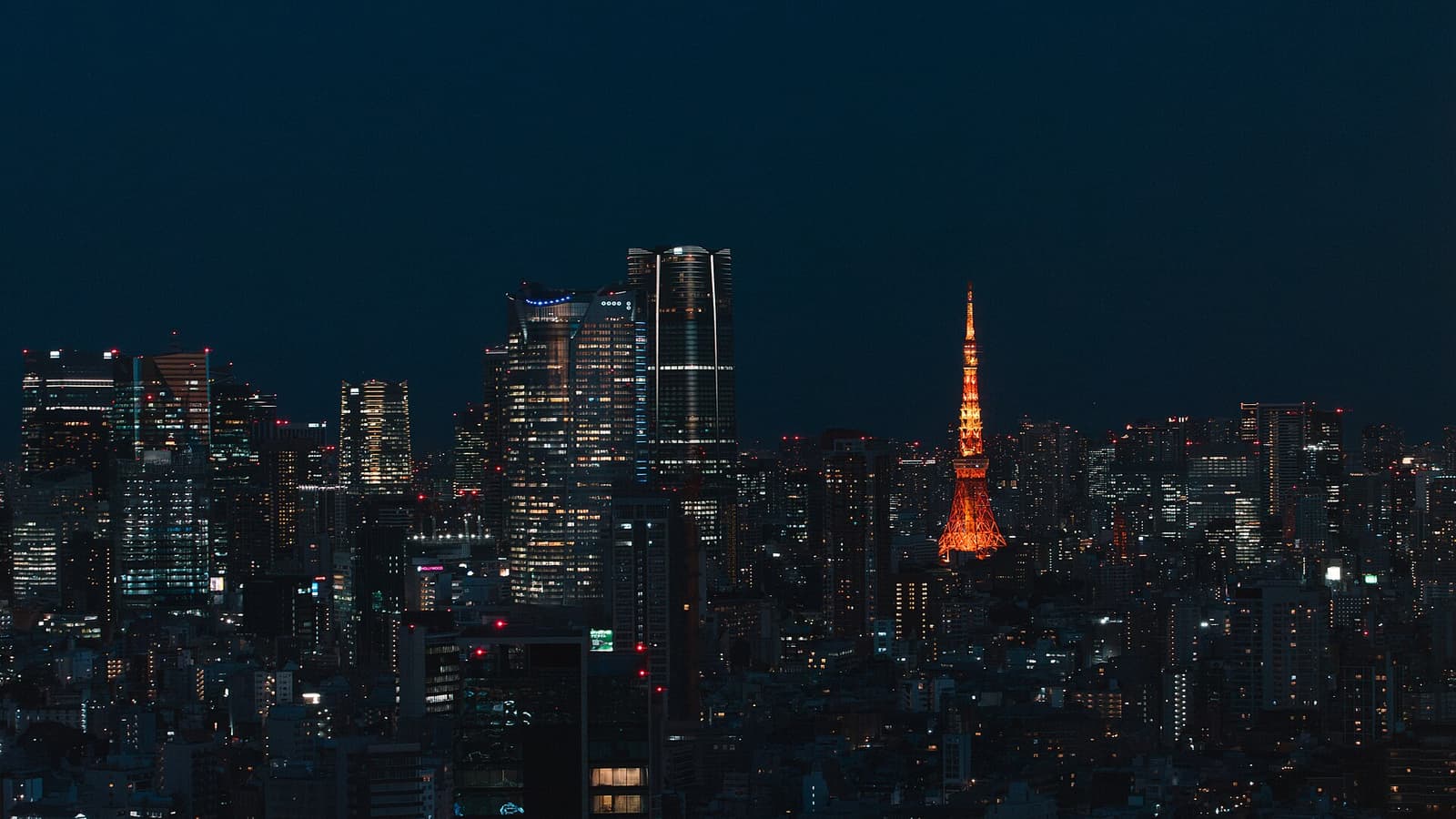
| Day 3 — Centre and bay | Tsukiji Outer Market breakfast, Imperial Palace East Gardens | teamLab Planets in Toyosu or teamLab Borderless at Azabudai Hills | Ginza for dinner, or Tokyo Tower and Roppongi’s night view |
Book ahead: your teamLab slot and Shibuya Sky. Swap in: if a clear Mount Fuji day trip matters more to you than museums, replace Day 1’s afternoon and evening by moving Asakusa to an early morning and taking Day 3 for Kawaguchiko — it is a squeeze, but possible.
5 days in Tokyo: the city plus Mount Fuji
Follow the three-day route, then add a day outside the city and a day chosen to suit your interests.
| Day | Plan | Good to know |
|---|---|---|
| Days 1–3 | As in the three-day itinerary | Keep Day 3 flexible in case you need to swap it with Day 4 for weather |
| Day 4 — Fuji or Hakone | Day trip to Mount Fuji and Lake Kawaguchiko for the pagoda view and the lake, or to Hakone for the ropeway, Lake Ashi and a hot-spring bath | Choose the clearest forecast of your stay; tours with free cancellation make this easy |
| Day 5 — Your choice | Pop culture: Akihabara and Ikebukuro. Families: Tokyo Disney Resort or Odaiba. Art: Roppongi’s museums. Slow travel: Yanaka, Nezu and a long lunch | Disney needs dated tickets bought in advance |
With five days it is also worth choosing your hotel to match: Shinjuku has the direct buses and trains to Fuji and Hakone. See where to stay.
7 days in Tokyo: the city in depth
A week lets you see the region as well as the city, with one slow day to recover.
| Day | Plan |
|---|---|
| Day 1 | Asakusa, the Sumida River and Skytree |
| Day 2 | Harajuku, Shibuya and Shinjuku |
| Day 3 | Tsukiji, the Imperial Palace, Ginza and teamLab |
| Day 4 | Nikko: Toshogu Shrine, with Kegon Falls and Lake Chuzenji if you start early or take a tour |
| Day 5 | A slower day: Ueno’s museums and Yanaka, or Akihabara and shopping; a sumo show or food tour in the evening |
| Day 6 | Mount Fuji and Lake Kawaguchiko — or overnight in a Hakone ryokan (Days 6–7) |
| Day 7 | Kamakura and Enoshima, returning via Yokohama for dinner and the harbour lights |
If hot springs are a priority, turn Days 6 and 7 into a two-day loop: Tokyo → Hakone (overnight) → Kawaguchiko by bus via Gotemba → back to Shinjuku. If you have a rail pass covering the region, Nikko and Kamakura are both on JR lines.
Adapting the plan
If it rains
Move indoors: the Tokyo National Museum, teamLab, Akihabara’s shops, Sunshine City in Ikebukuro, department-store food halls and the covered arcades of Asakusa. Avoid Mount Fuji, observation decks and Nikko’s lake on wet days.
With children
Cut each day to two districts and add playtime: Ueno Zoo or the science museum, Odaiba’s beach and Gundam, Sunshine Aquarium, a day at Tokyo Disney Resort. Trains are easiest outside the 7:30–9:30 rush hour.
On a second visit
Skip the headline sights for neighbourhoods: Yanaka and Nezu, Jimbocho’s bookshops, Azabu-Juban, Zoshigaya, the Kita-Kamakura temples and an overnight at Lake Chuzenji above Nikko.
In cherry-blossom season
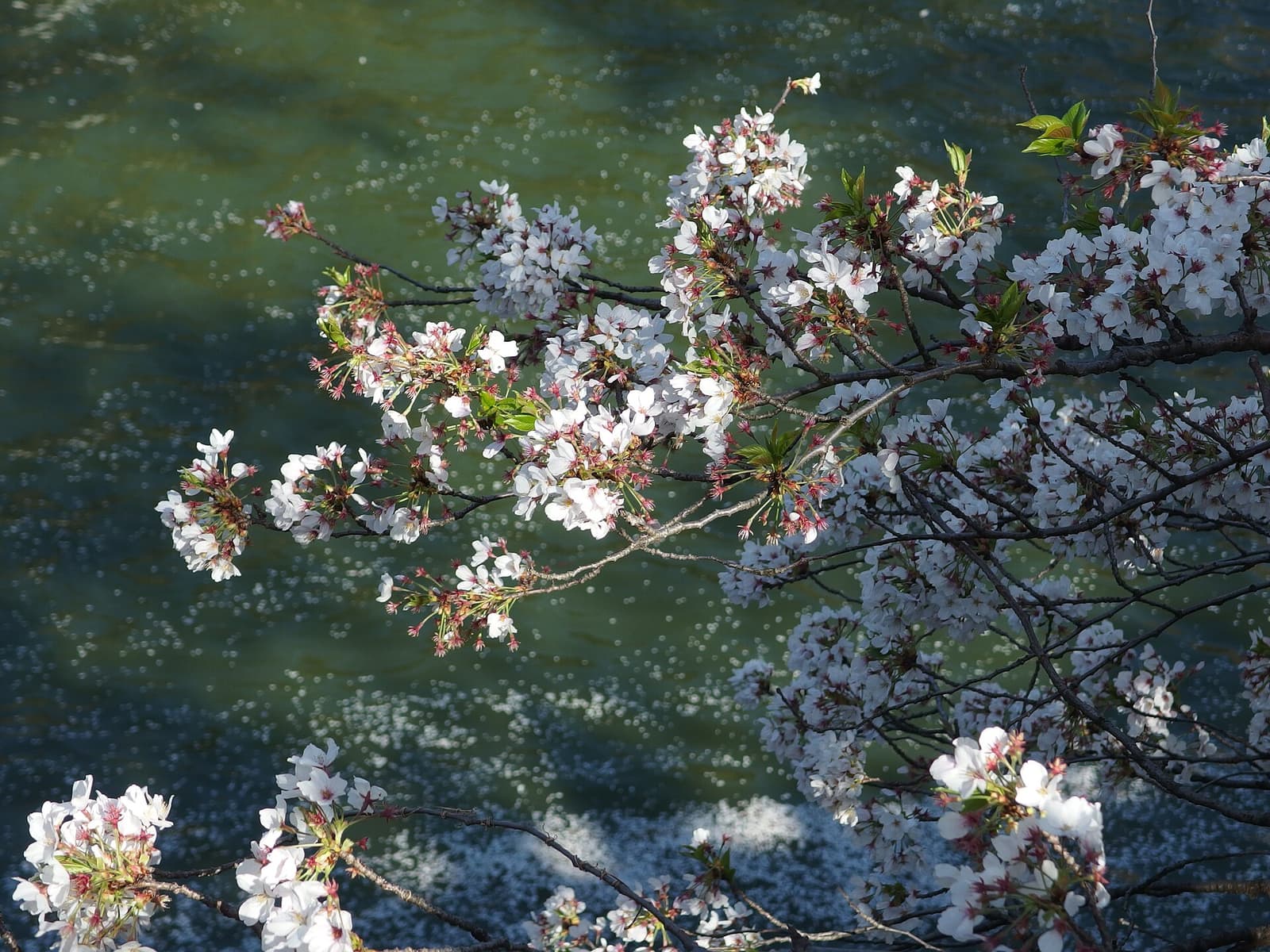
Add early-morning visits to Ueno Park, Chidorigafuchi, Shinjuku Gyoen or Sumida Park and expect everything to be busier. See when to go.
What to book in advance
- Weeks ahead: hotels for spring and autumn, teamLab tickets, Shibuya Sky sunset slots, Tokyo Disney Resort tickets, the Ghibli Museum, sumo tournament seats.
- A few days ahead: food tours, sumo shows, Mount Fuji and Nikko day tours, limited-express seats to Kawaguchiko, Hakone and Nikko at weekends.
- No need to book: temples, shrines, markets, most museums, ordinary trains, and nearly all casual restaurants.
Our tours and tickets page ranks the bookings that matter most.