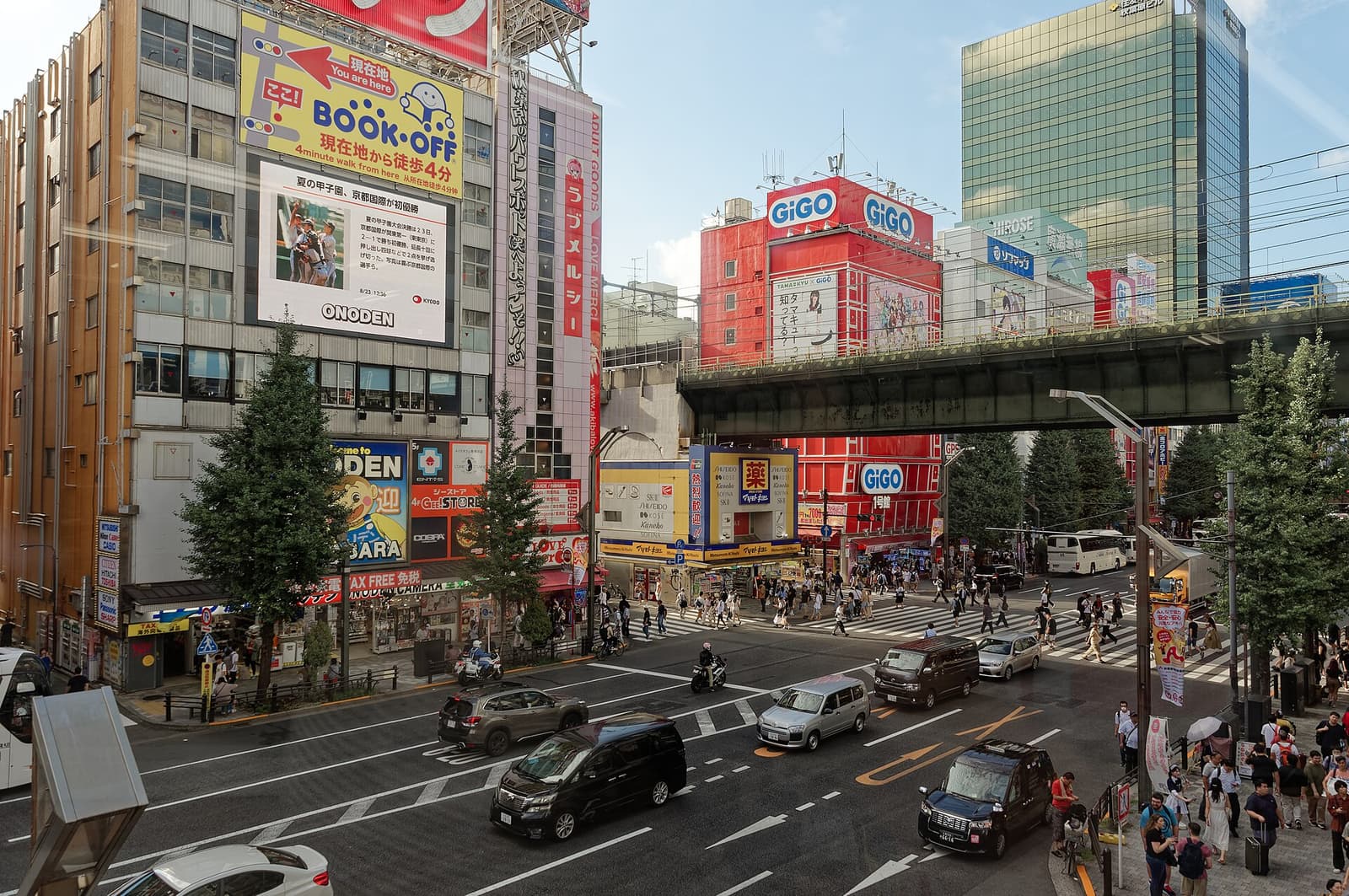
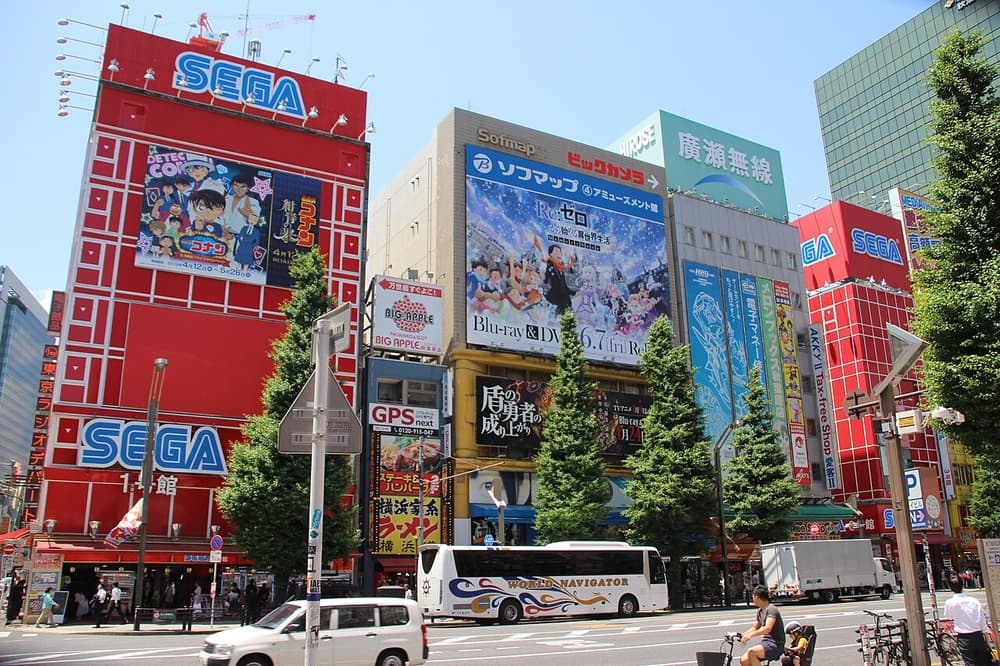
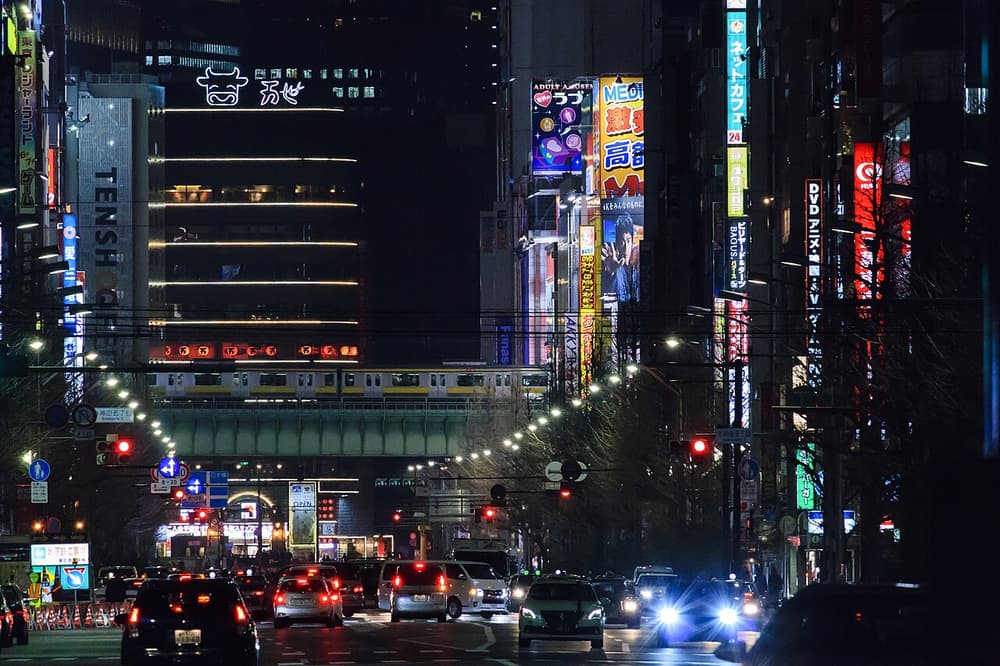
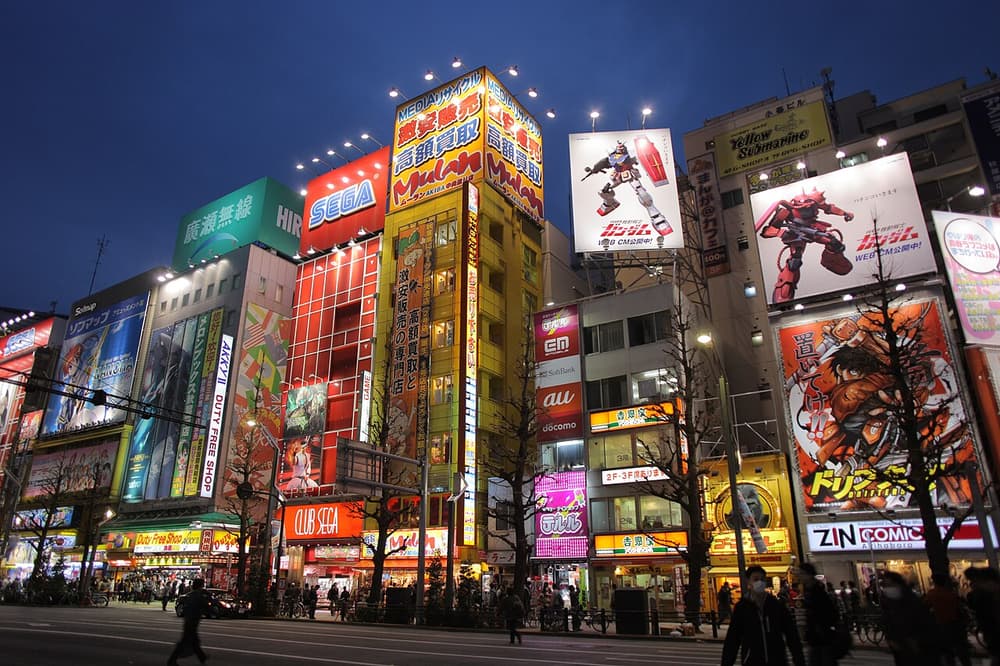
Akihabara — “Akiba” to its fans — began as a market for radio parts after the war, became Japan’s home-electronics district and, from the 1990s, turned into the centre of anime, manga and video-game culture. Along Chuo-dori and in the lanes behind it you will find eight-floor figure shops, walls of capsule-toy machines, card-game arcades and stores devoted to a single hobby. Even visitors with no interest in anime find the spectacle worth an hour or two.
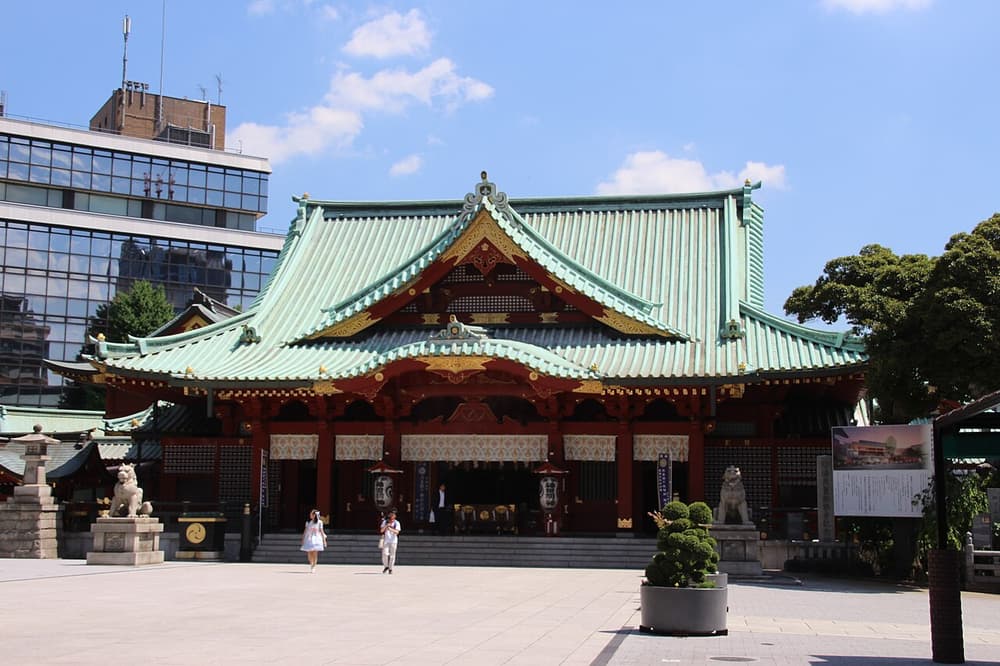
The surrounding Kanda district is a quieter counterpoint. Kanda Myojin, the guardian shrine of old Edo, sits on the hill above Akihabara and now sells charms to protect computers. To the west are Ochanomizu’s street of guitar shops and Jimbocho, with well over a hundred secondhand bookshops and a reputation for curry.
Highlights
- Floor after floor of figures, manga and merchandise on Chuo-dori
- Retro games and working arcade cabinets from the 1980s and 90s
- Crane games, rhythm games and gachapon capsule machines
- A maid café — the district’s best-known oddity
- Kanda Myojin shrine and its anime-decorated prayer plaques
- Browsing the bookshops and curry houses of Jimbocho
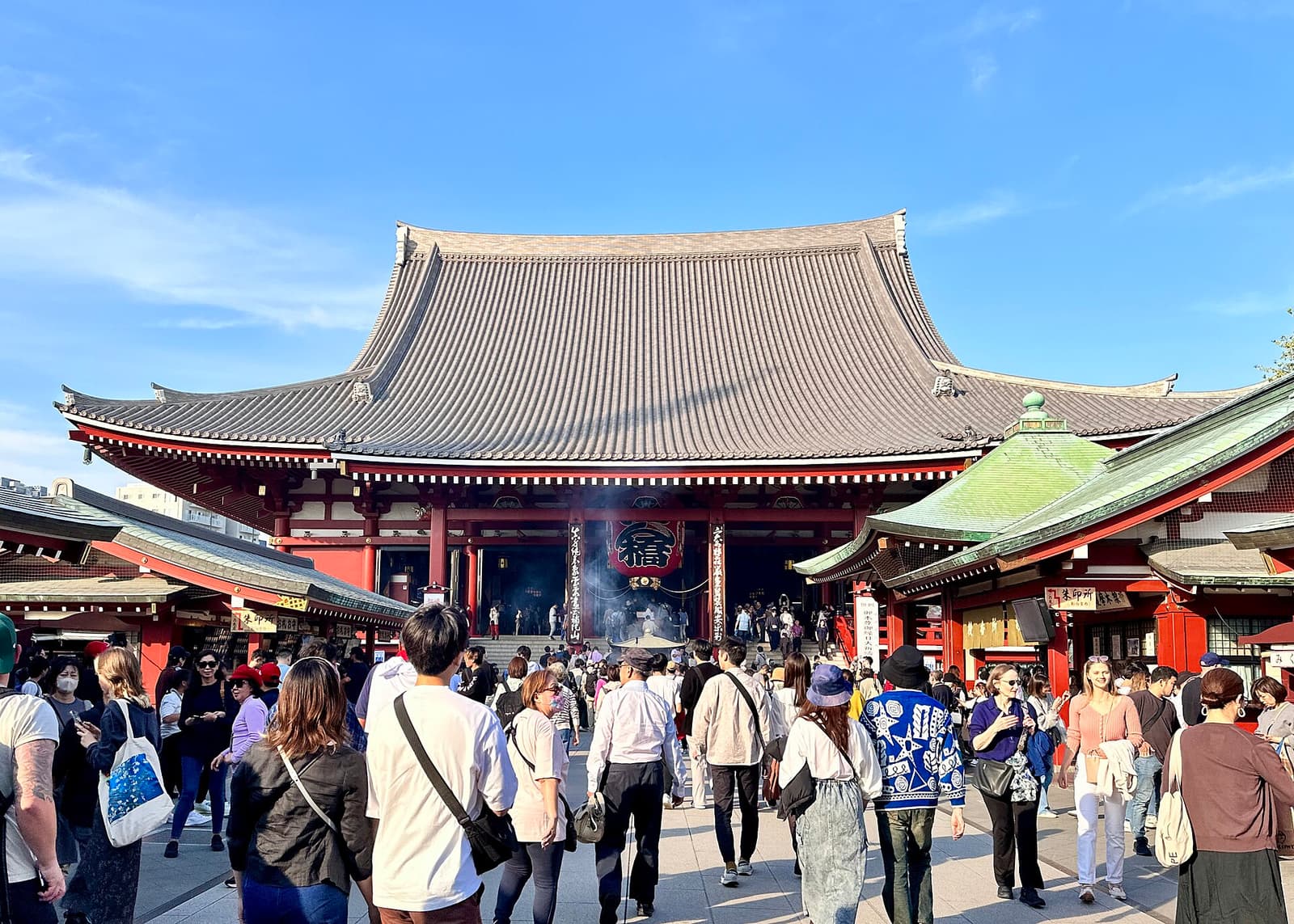
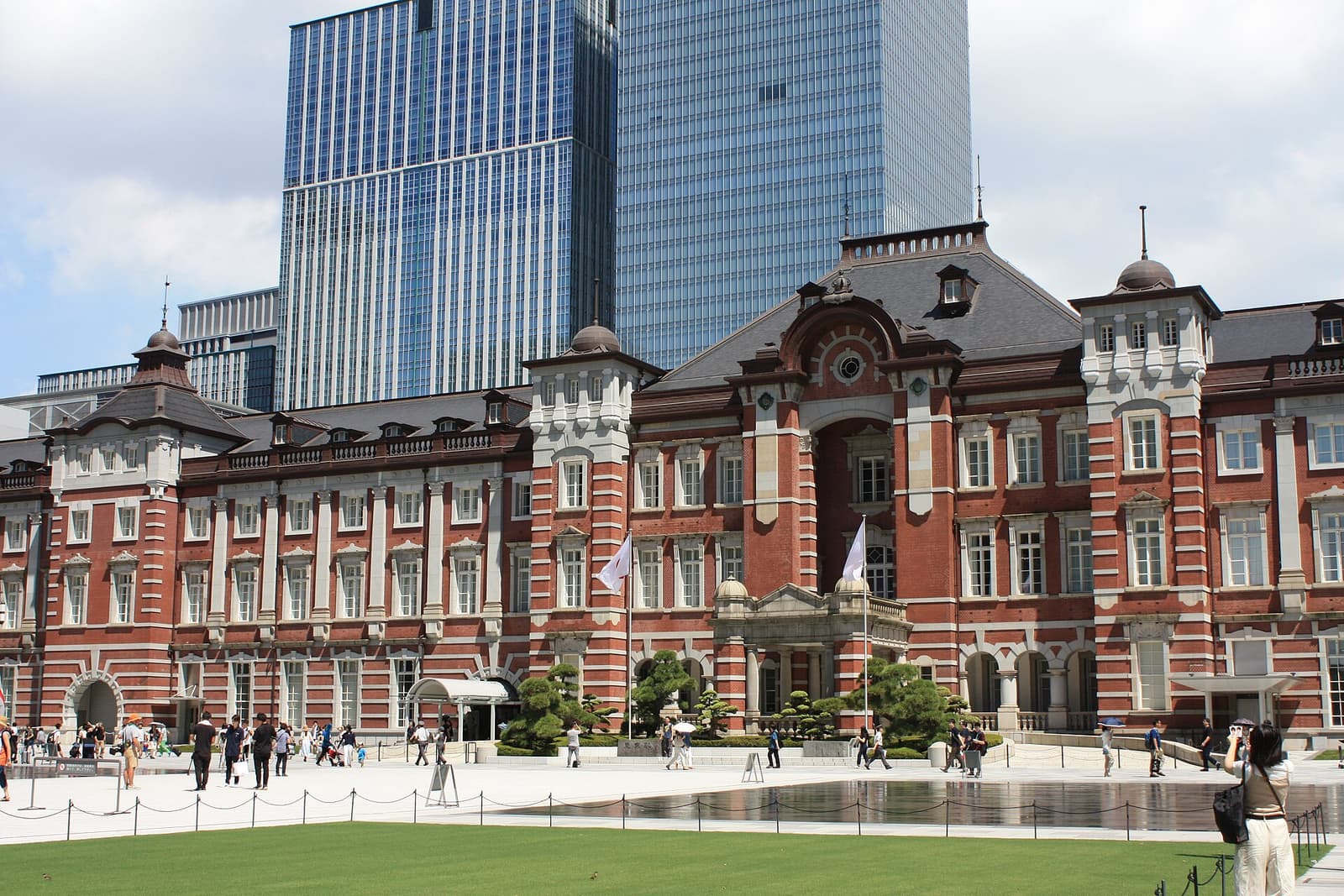
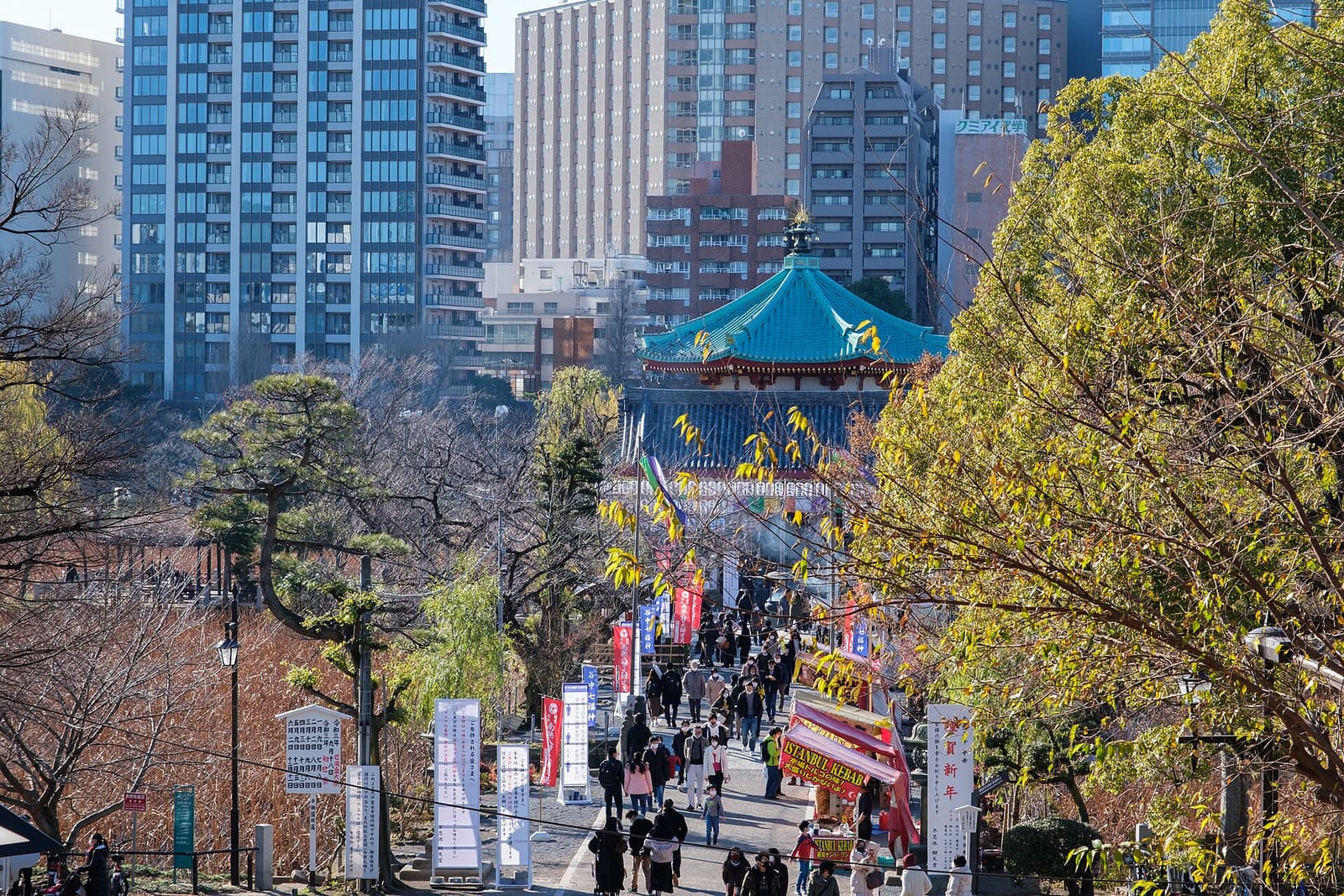
Akihabara & Kanda in pictures
How long to stay and where to base yourself
How long: two to four hours is enough for most visitors; serious collectors can fill a day. It combines naturally with Ueno (one stop north) or Asakusa.
Where to base yourself: Akihabara and Kanda are an underrated base: two stops from Tokyo Station, on the Yamanote Line, with well-priced modern hotels and quiet streets at night once the shops close around 20:00–21:00. See where to stay in Tokyo.