This hub is the historic and geographic heart of Tokyo, and all of it is walkable. Marunouchi, between Tokyo Station and the palace moat, is the business district — handsome, orderly and full of good restaurants in its towers. West of it lies the Imperial Palace, on the site of the shoguns’ Edo Castle, with free public gardens inside the old walls.
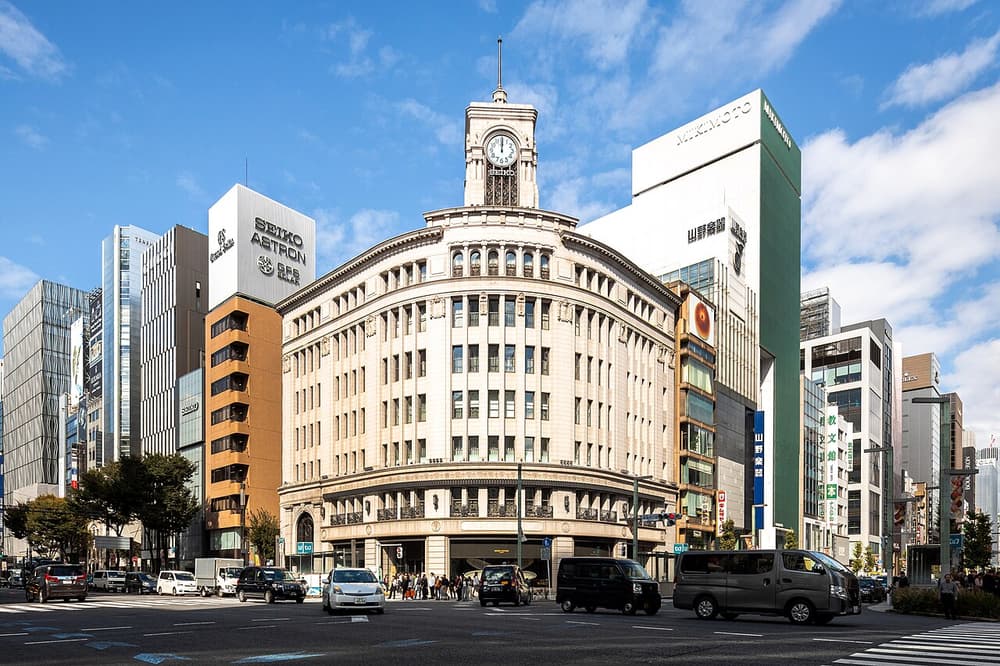
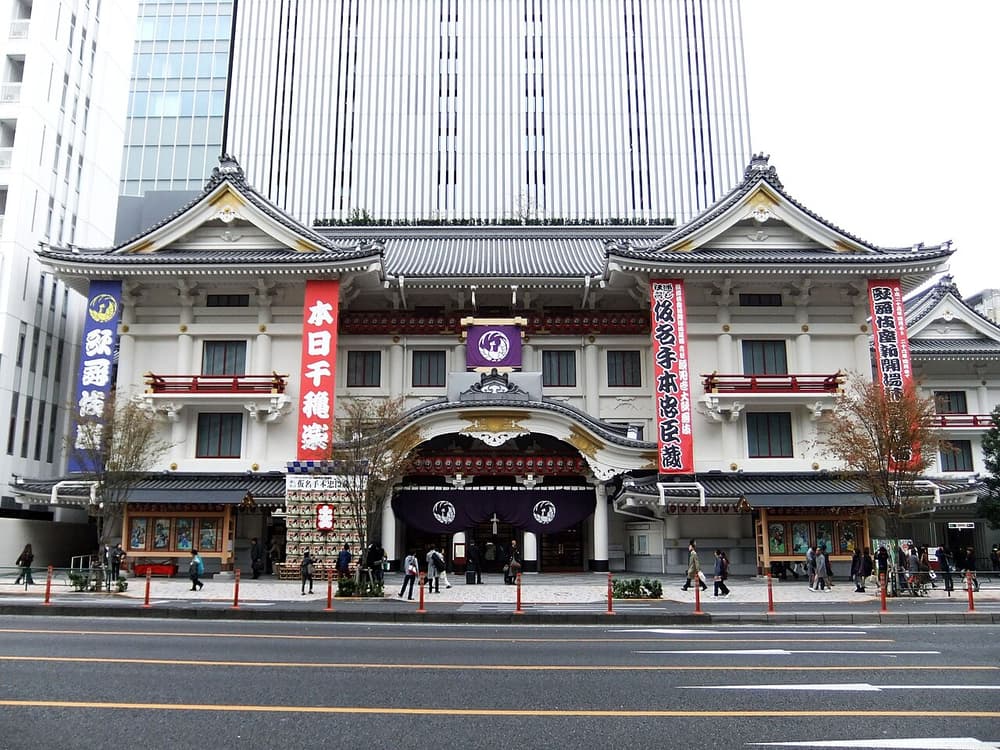
Ten minutes south, Ginza has been Japan’s smartest shopping address since the 1870s: department stores, flagship boutiques, century-old stationers and some of the country’s most expensive sushi counters. At its eastern edge are the Kabuki-za theatre and Tsukiji Outer Market, whose lanes of seafood and kitchen shops carried on trading after the wholesale market moved to Toyosu.
Highlights
- Window-shopping Chuo-dori when it closes to traffic at weekends
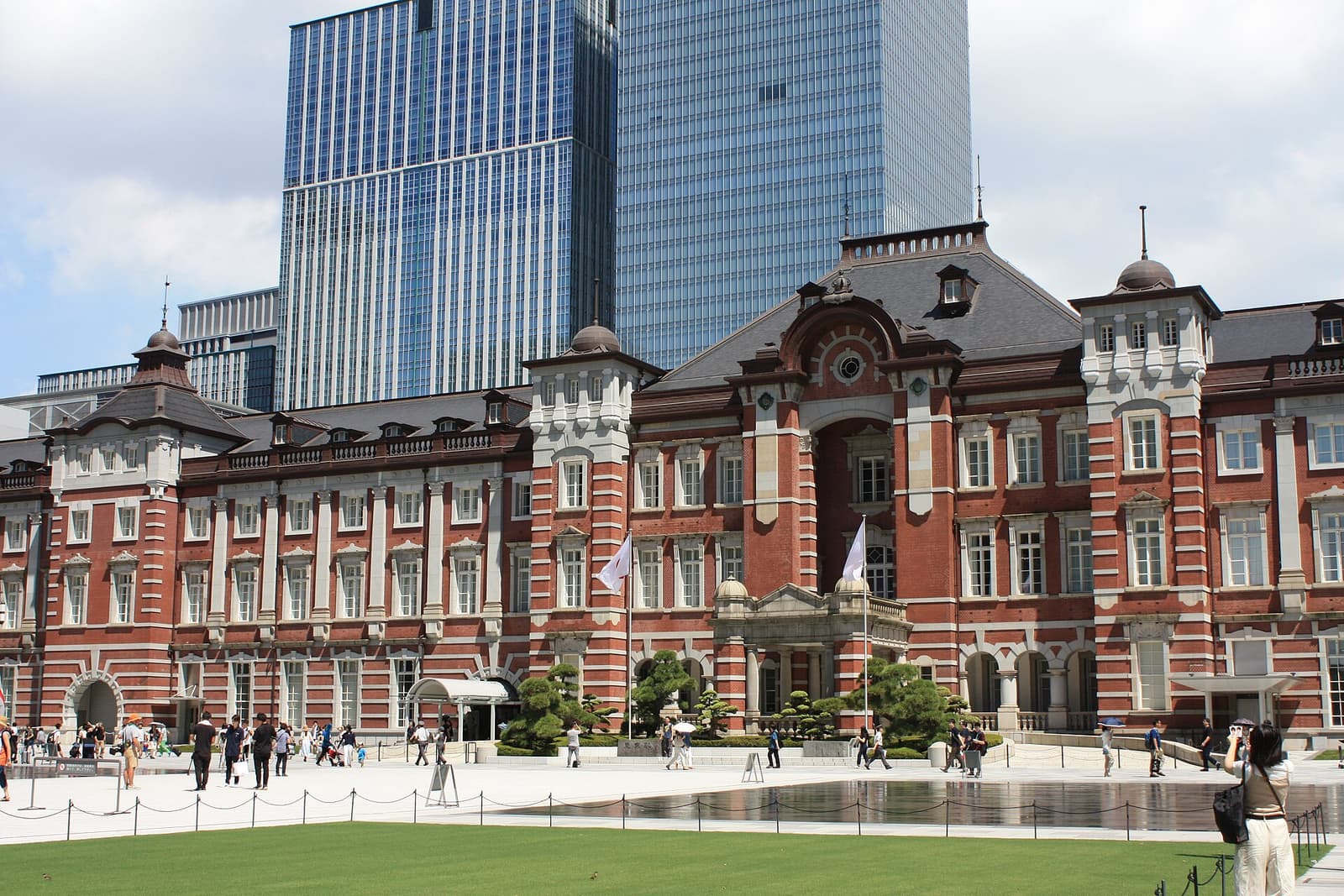
- The restored 1914 red-brick façade of Tokyo Station
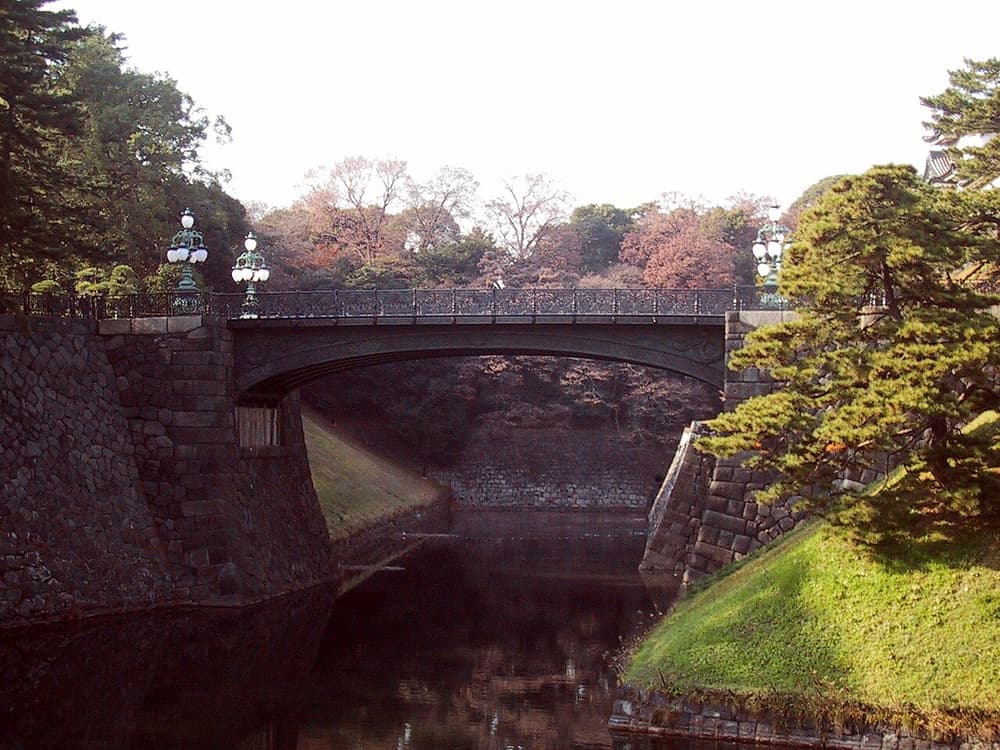
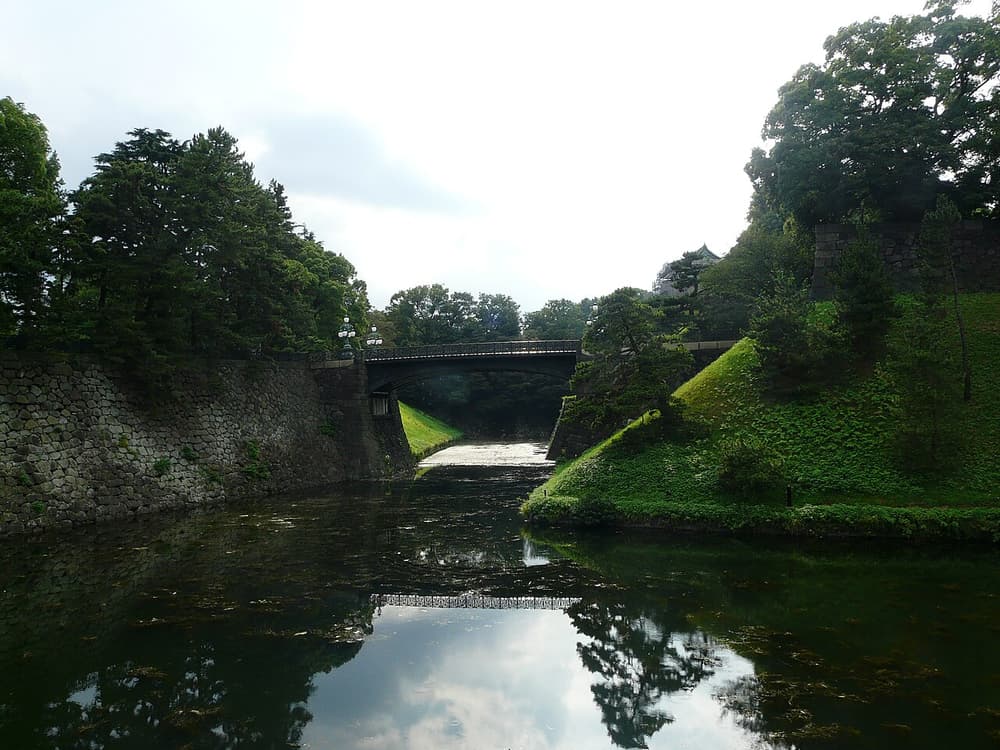
- Walking the Imperial Palace moats and East Gardens
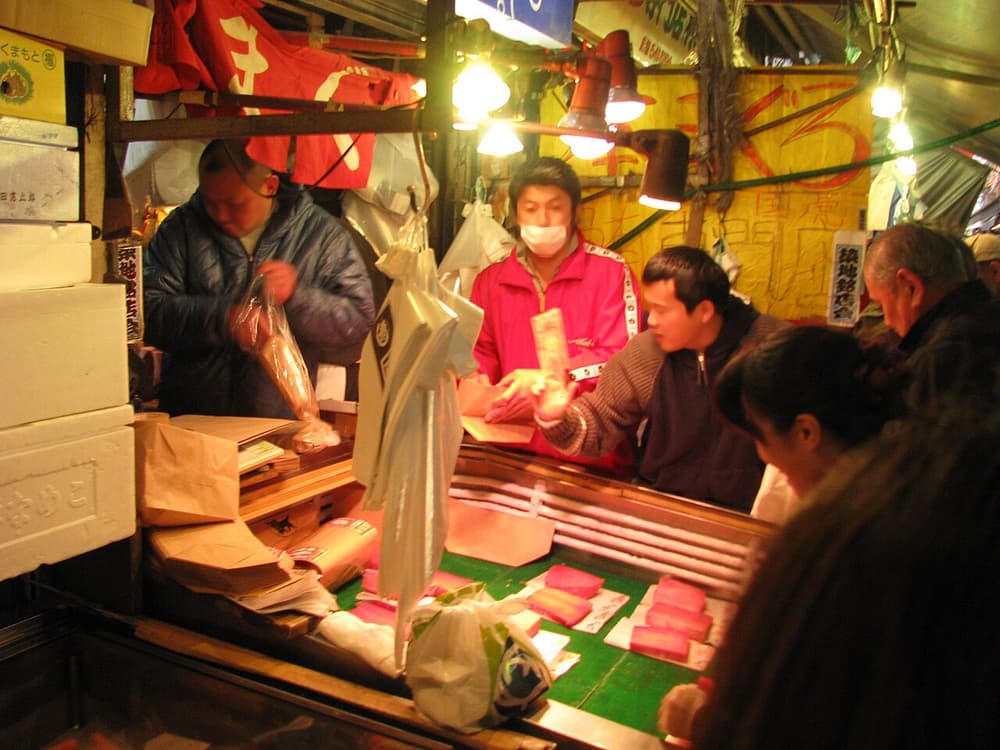
- Sushi, grilled seafood and tamagoyaki for breakfast at Tsukiji
- A single act of kabuki at Kabuki-za
- Department-store food halls and Tokyo Station’s Ramen Street
Ginza & Tokyo Station in pictures
How long to stay and where to base yourself
How long: a full day does it justice — Tsukiji for breakfast, the palace gardens late morning, Marunouchi for lunch and Ginza for the afternoon and evening.
Where to base yourself: this is the most convenient base in Tokyo for onward travel: the Shinkansen, the Narita Express and airport buses all leave from Tokyo Station. Hotels are smart and priced accordingly; Ginza’s back streets and nearby Nihonbashi and Hatchobori have better-value business hotels. It is quiet at night compared with Shinjuku or Shibuya. See where to stay in Tokyo.