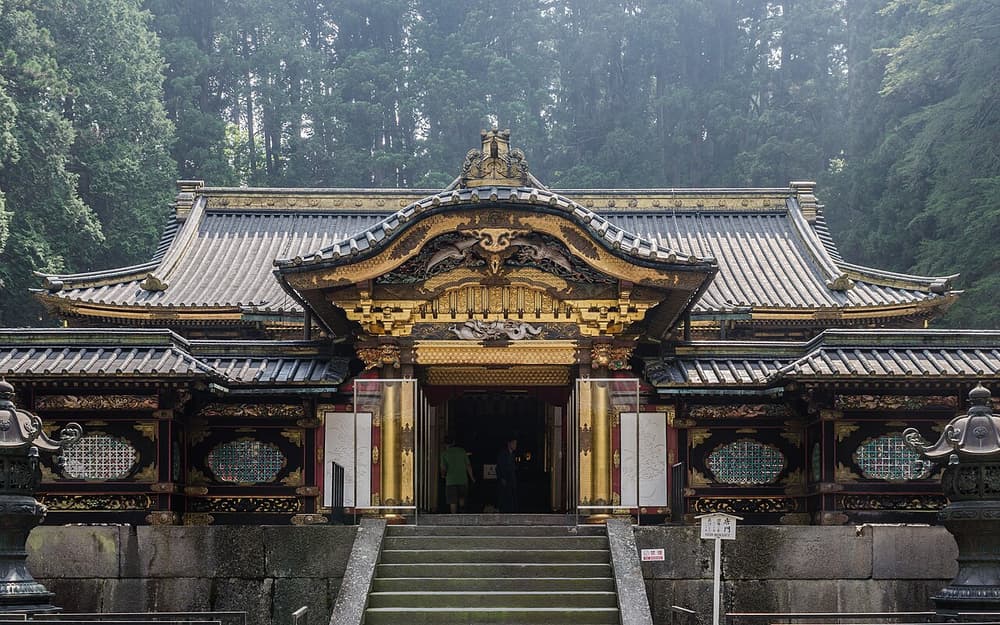
“Never say kekko (magnificent) until you’ve seen Nikko,” runs the old saying. The town in the mountains of Tochigi Prefecture has been a sacred site since the 8th century, and in the 1600s the Tokugawa shoguns turned it into a showpiece of their power. The Shrines and Temples of Nikko — Toshogu, Futarasan Shrine and Rinno-ji with its Taiyuin mausoleum — were added to the UNESCO World Heritage list in 1999. Unlike the restrained style of most Japanese shrines, they are a riot of carving, lacquer and gold leaf among towering cedars.
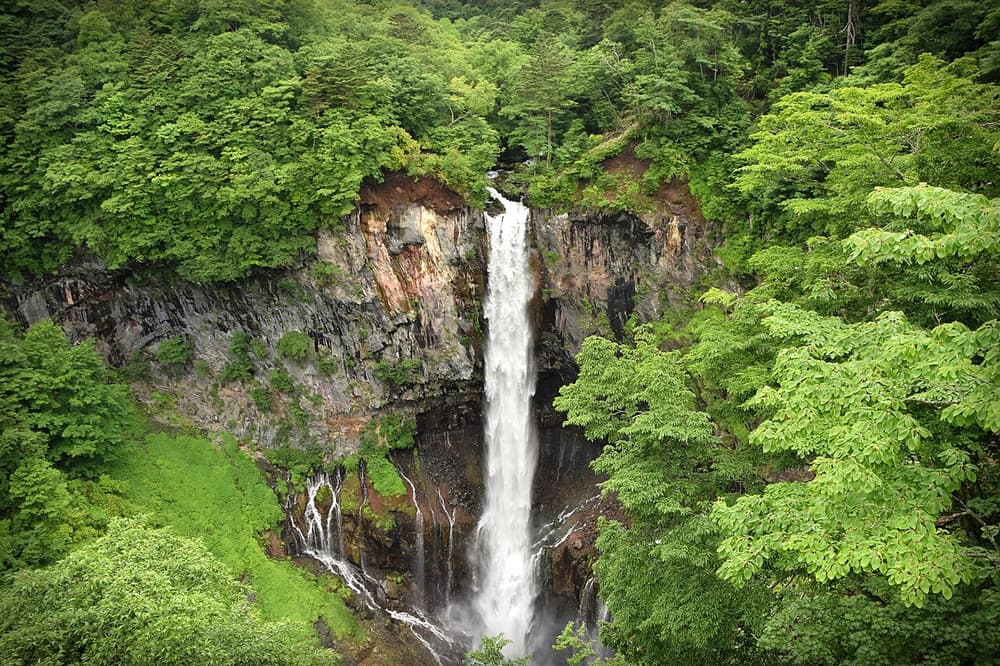
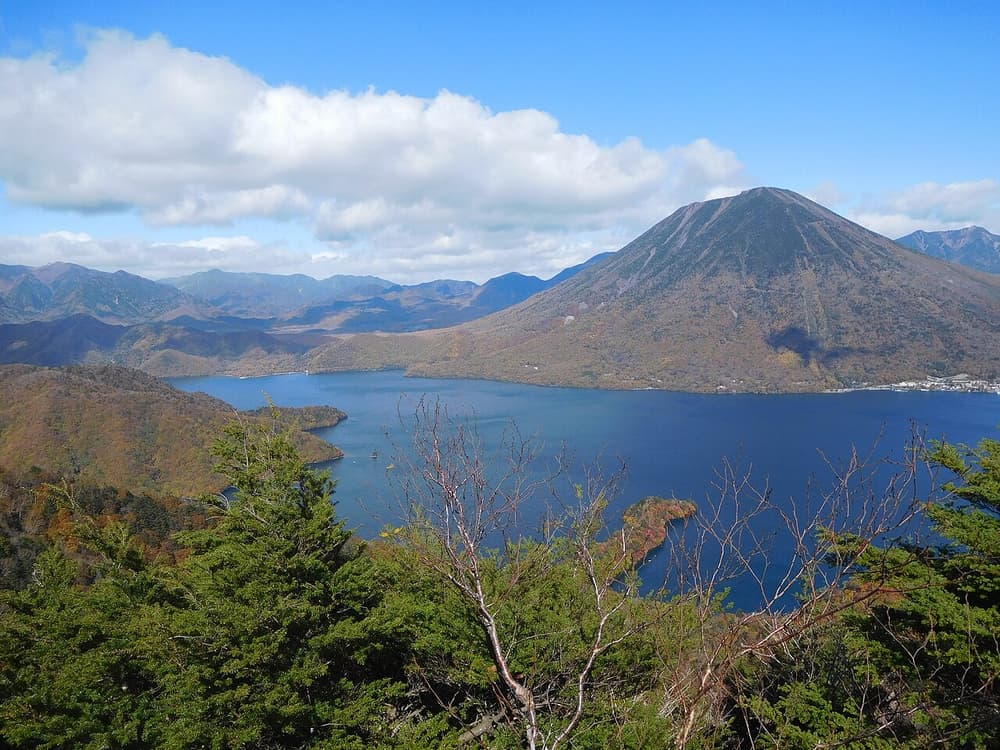
The second Nikko begins 600 metres higher. Buses climb the Irohazaka switchbacks to Lake Chuzenji and the 97-metre Kegon Falls, with marshland walks and hot springs beyond. Seeing both halves in one day trip is possible but rushed, which is why many visitors come on a guided tour or stay the night.
Highlights
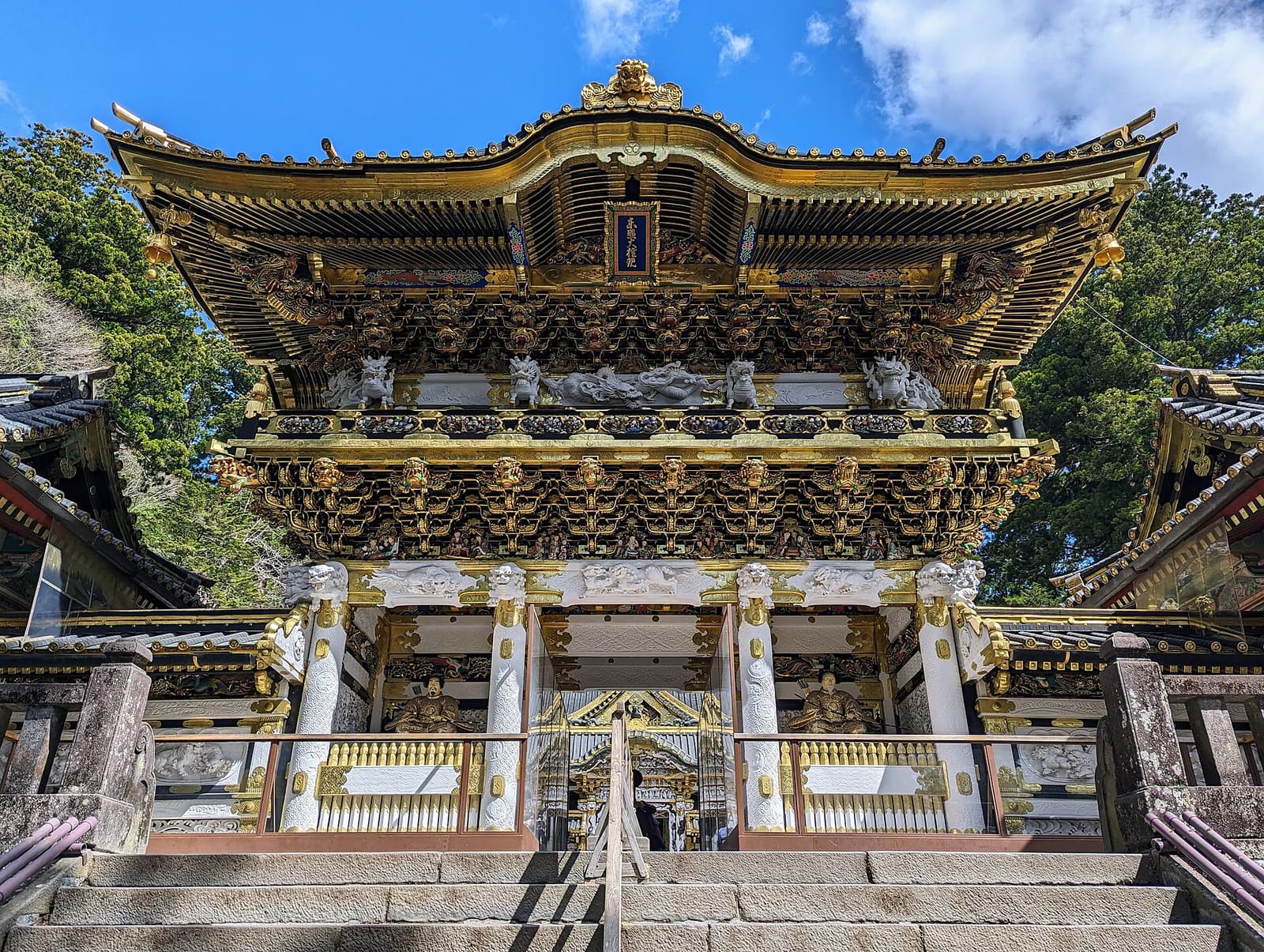
- The Yomeimon gate at Toshogu, covered in more than 500 carvings
- The three wise monkeys and the sleeping cat
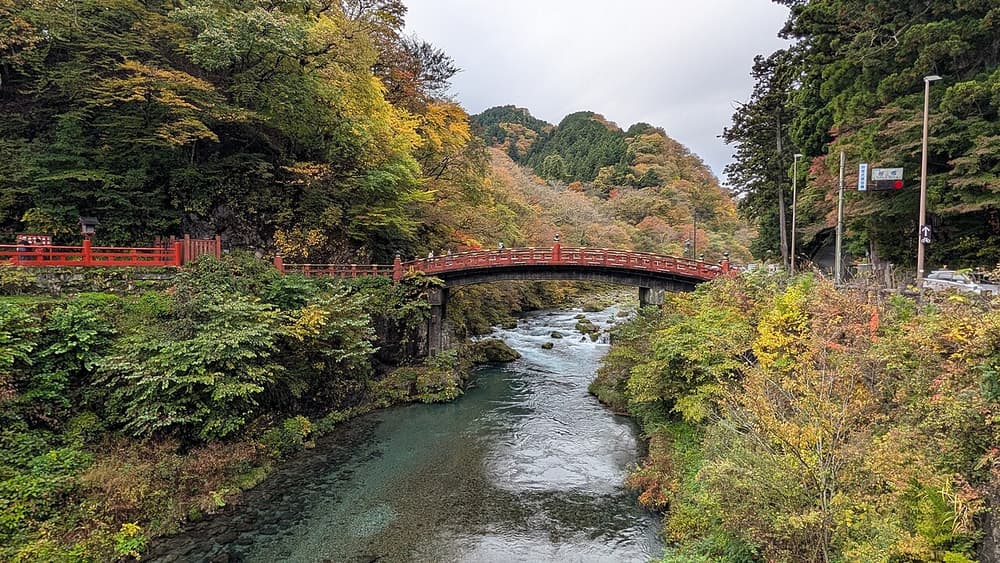
- The vermilion Shinkyo Bridge over the Daiya River
- Kegon Falls from the observation platform at its base
- Lake Chuzenji and the cone of Mount Nantai
- Blazing autumn colour, among the earliest near Tokyo
Nikko in pictures
How long to stay and where to base yourself
How long: the shrine area alone fills four to five hours. Add Kegon Falls and Lake Chuzenji and you need a very full day with an early start, or — better — a night.
Where to base yourself: near the stations and along the main street for convenience and restaurants; by the shrines for atmosphere and an early start before the coaches arrive; or at Lake Chuzenji for mountain air, lake views and hot springs. Kinugawa Onsen, a separate hot-spring resort 30 minutes away, has large ryokan hotels.
More of Tochigi: Nikko is only one part of Tochigi Prefecture. If you have extra days, our Tochigi travel guide covers Kinugawa Onsen, the Nasu highlands, the pottery town of Mashiko and the Ashikaga Flower Park.