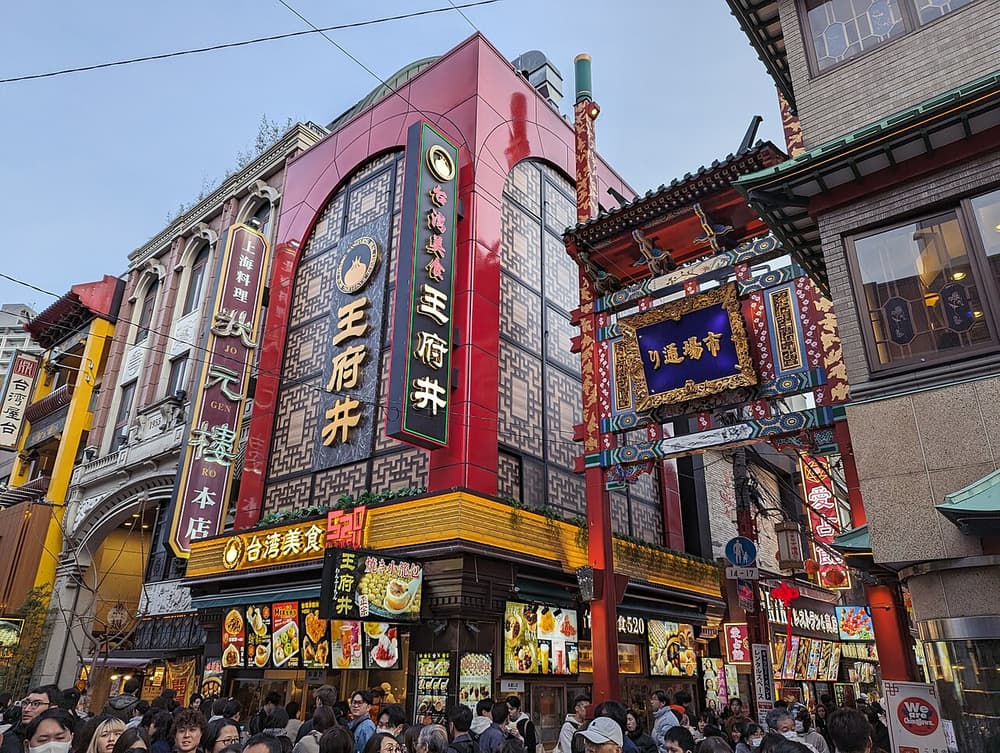
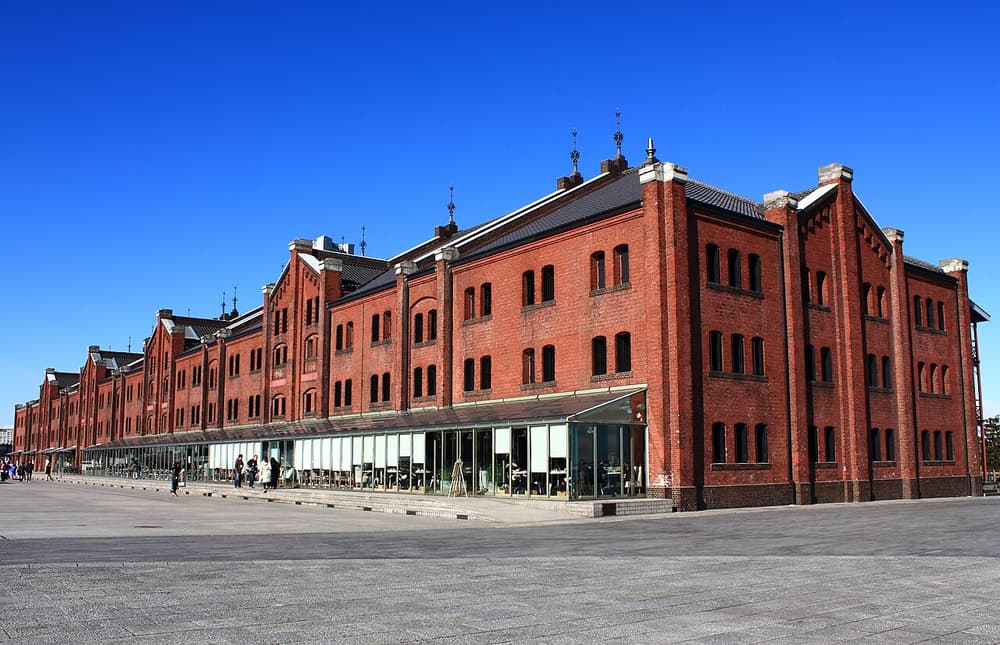
Until 1859 Yokohama was a fishing village. Then it became one of the first Japanese ports opened to foreign trade, and within a few decades it was the country’s window on the world — the place where Japan first met railways, ice cream, beer and jazz. That history survives in the Western houses of the Yamate bluff, the old customs buildings and the Red Brick Warehouse, and in Chinatown, founded by the merchants who came with the foreign traders.
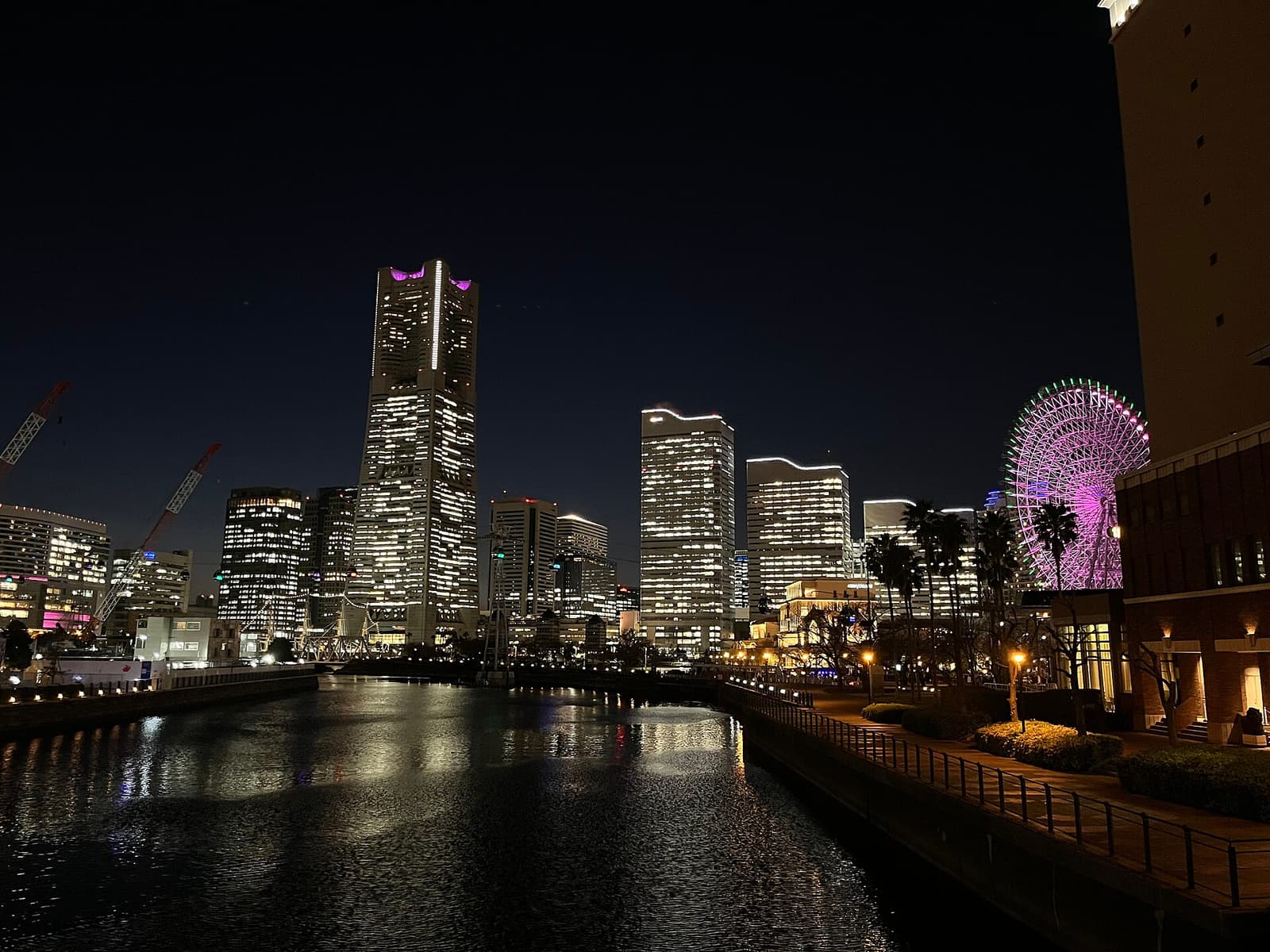
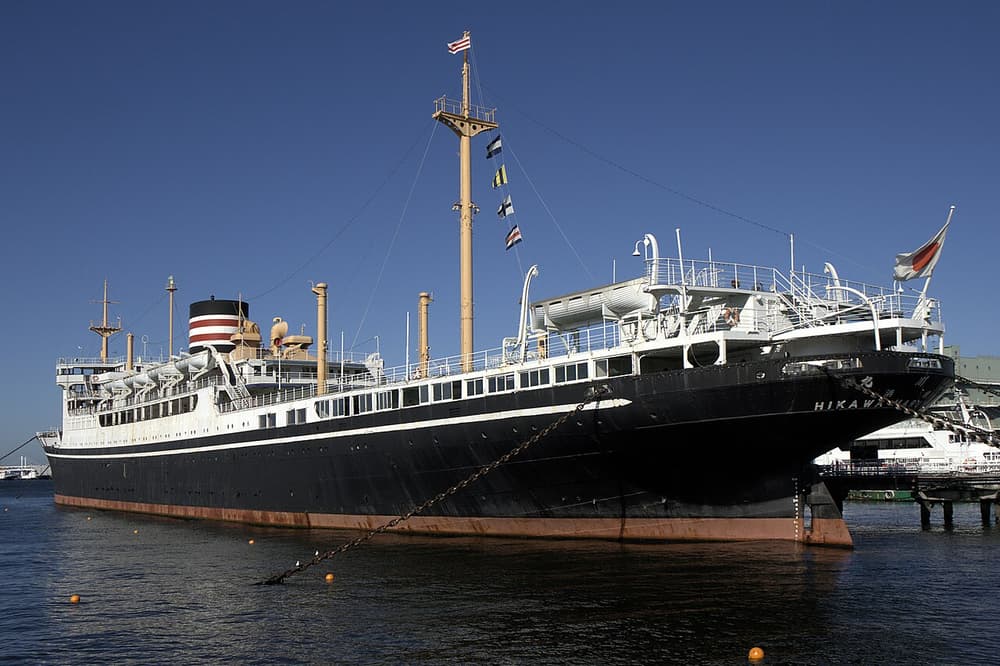
The modern city faces the water at Minato Mirai (“harbour of the future”), a district of towers, museums, shopping centres and an amusement park with a giant Ferris wheel. Promenades link it to Yamashita Park and the preserved ocean liner Hikawa Maru. Everything is flat, compact and well signposted, which makes Yokohama one of the easiest and most relaxing day trips from Tokyo — and a good base for Kamakura.
Highlights
- The Minato Mirai skyline lit up after dark
- Steamed buns and dim sum through the gates of Chinatown
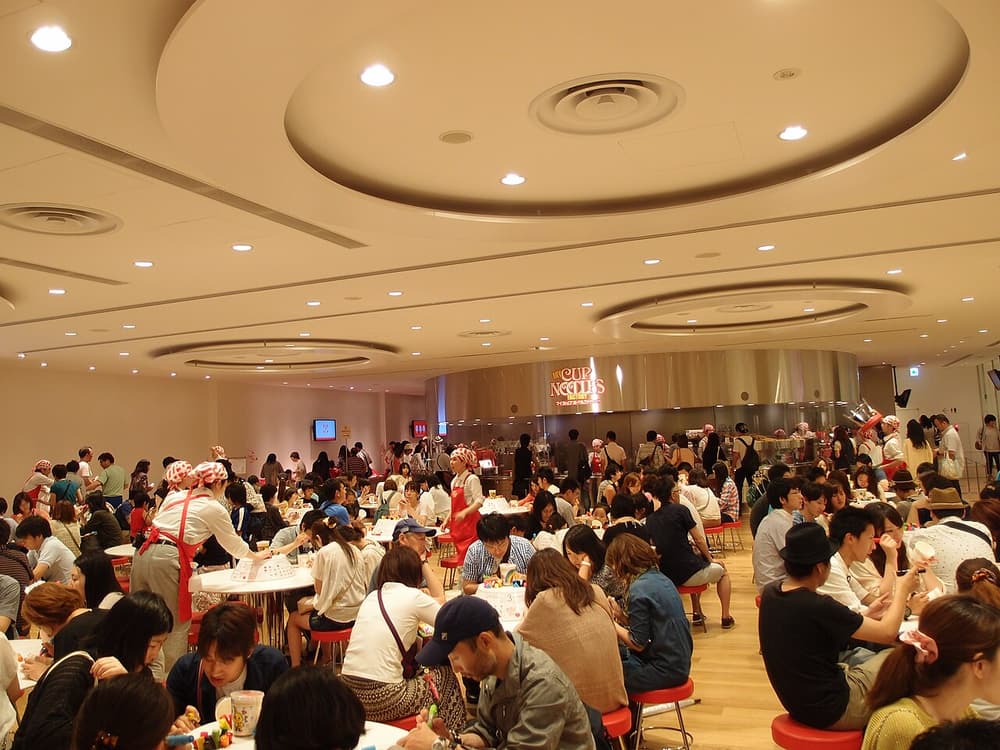
- Designing your own cup at the Cup Noodles Museum
- Shops and seasonal markets at the Red Brick Warehouse
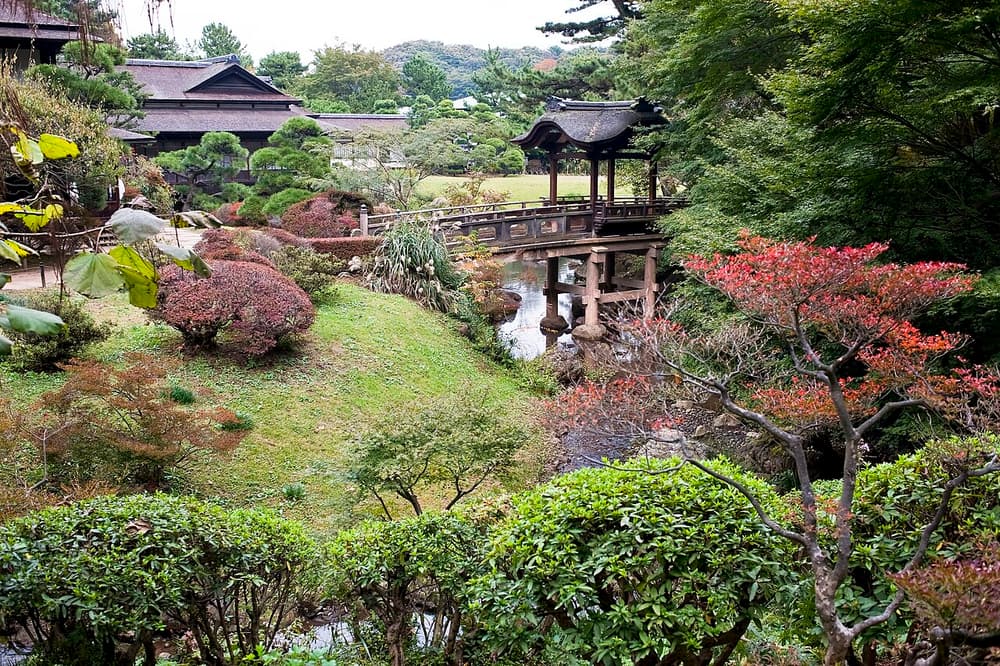
- Historic teahouses and a pagoda in Sankeien Garden
- A harbour walk from Yamashita Park past the Hikawa Maru
Yokohama in pictures
How long to stay and where to base yourself
How long: one day, timed to end with the lights coming on over the harbour. Two if you add Sankeien, the Ramen Museum or a side trip to Kamakura.
Where to base yourself: Minato Mirai has high-rise hotels with harbour views and is close to everything. Around Yamashita Park and Chinatown you will find historic and mid-range hotels in a livelier street setting. Hotels by Yokohama Station are practical for train connections but away from the sights. Rates are often lower than for comparable hotels in central Tokyo.