Hakone lies inside the crater of an ancient volcano in Kanagawa Prefecture, part of the Fuji-Hakone-Izu National Park. For centuries it was a checkpoint on the Tokaido highway between Edo and Kyoto; today it is one of Japan’s best-known onsen resorts, with ryokan scattered through its valleys and an unusually rich set of art museums.
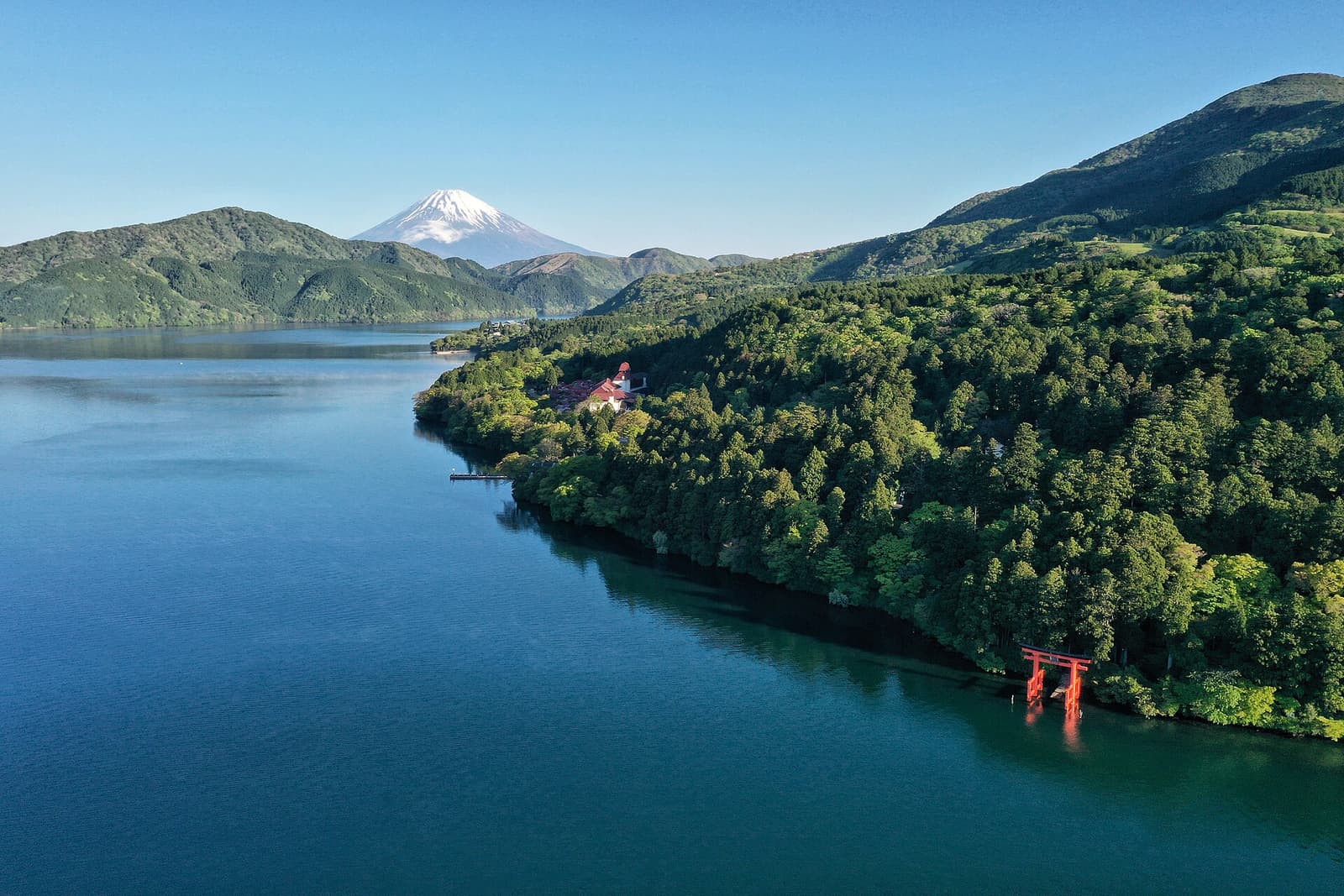
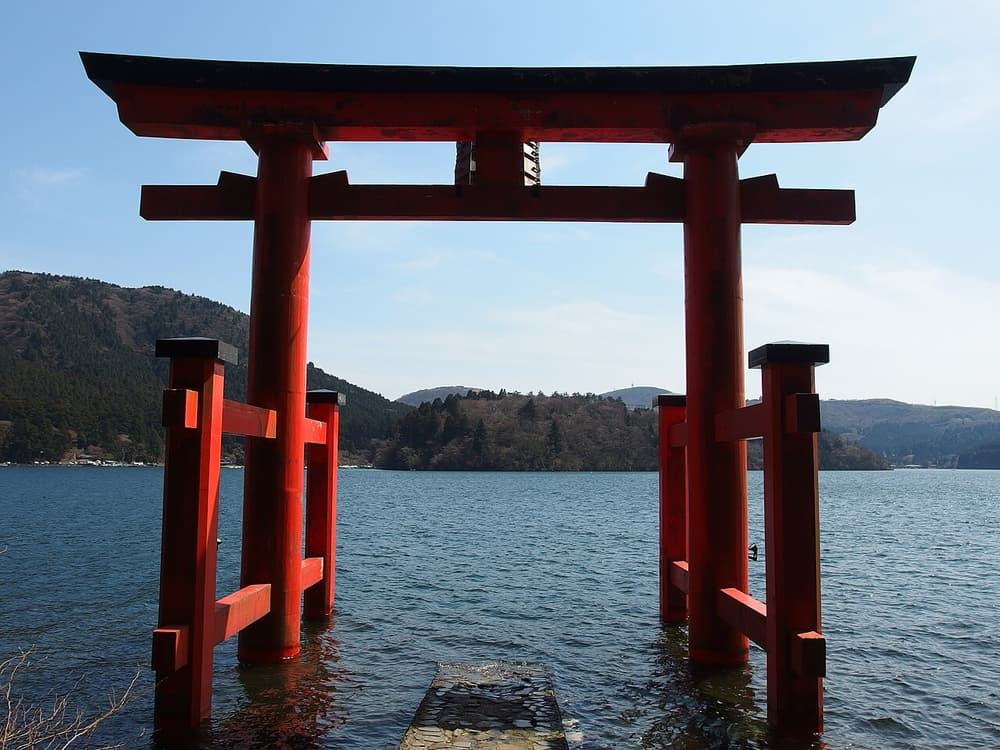
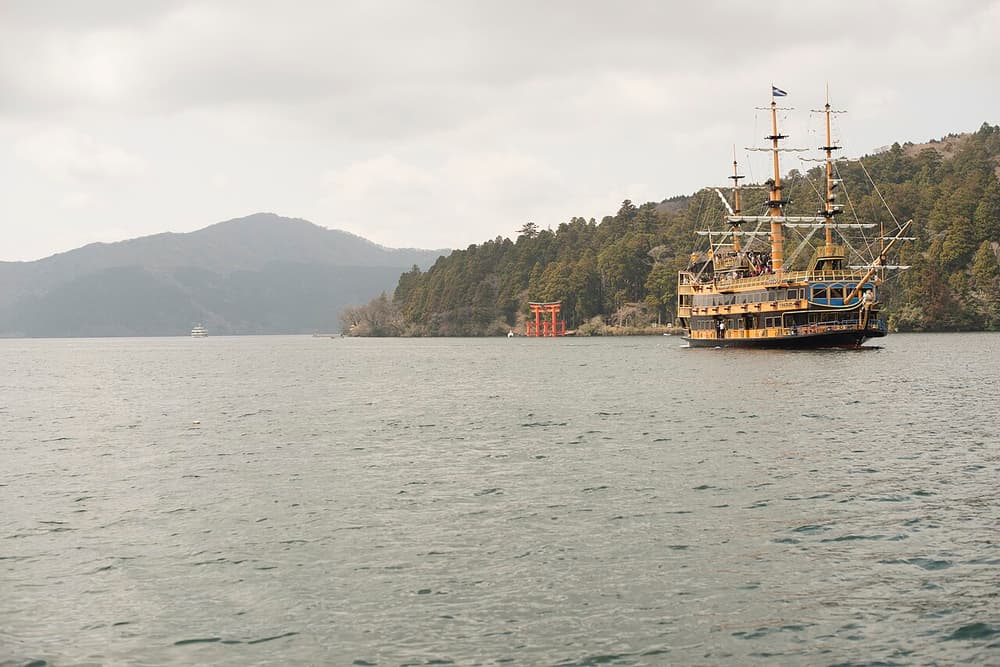
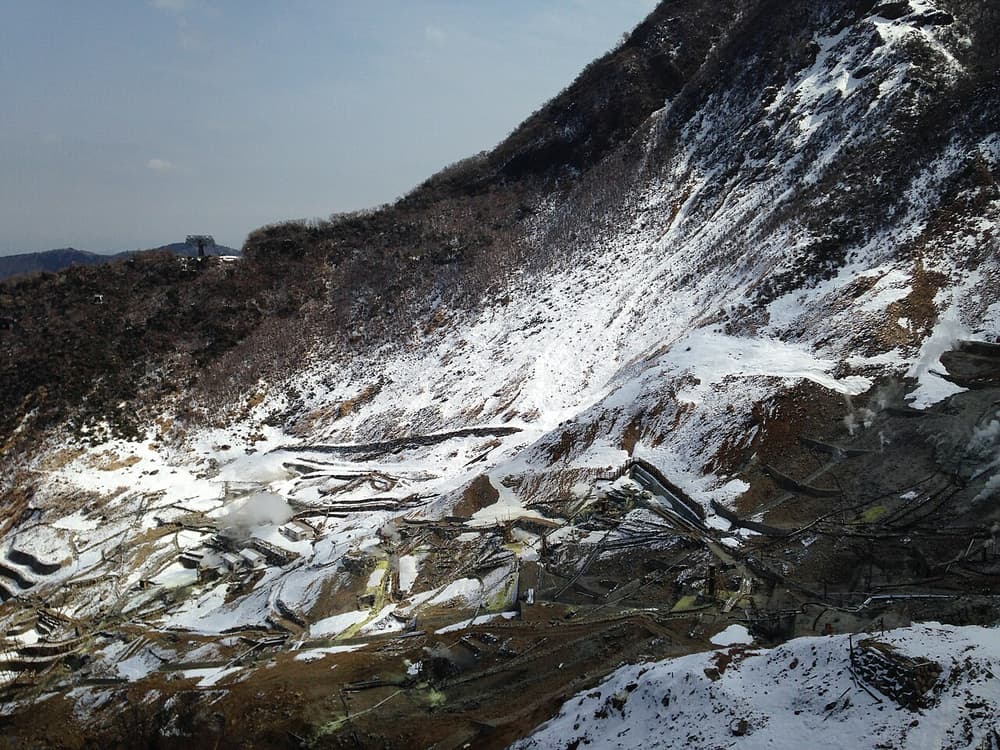
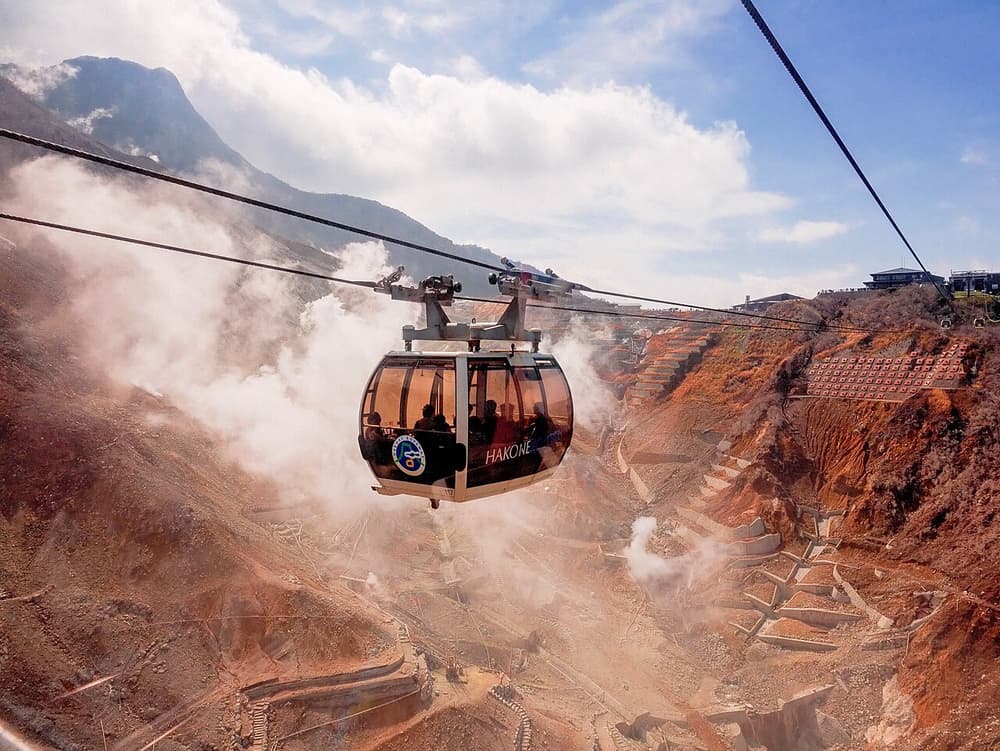
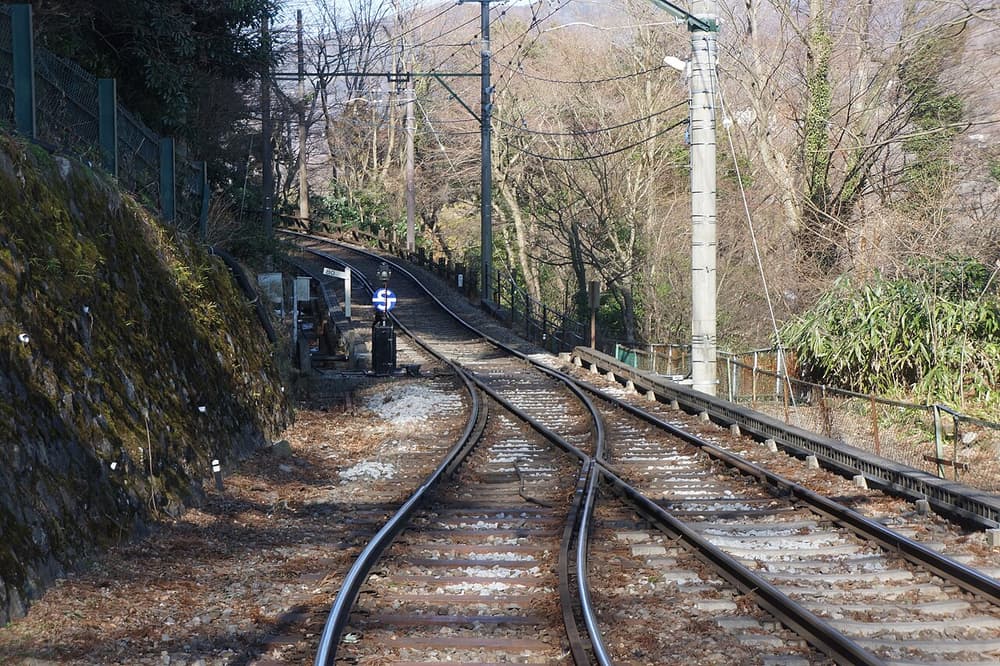
What makes it such a satisfying trip is the Hakone loop: a switchback mountain railway up from Hakone-Yumoto, a funicular, a ropeway that glides over the sulphur vents of Owakudani, a sightseeing boat across Lake Ashi to the red torii of Hakone Shrine, and a bus back down. On clear days Mount Fuji appears above the lake. It can be done as a day trip, but Hakone is at its best with a night in a ryokan.
Highlights
- The lakeside “Gate of Peace” torii at Hakone Shrine
- Crossing Lake Ashi on a replica sailing ship
- Steam vents and black eggs at Owakudani
- The Hakone Ropeway’s views of Fuji and the crater
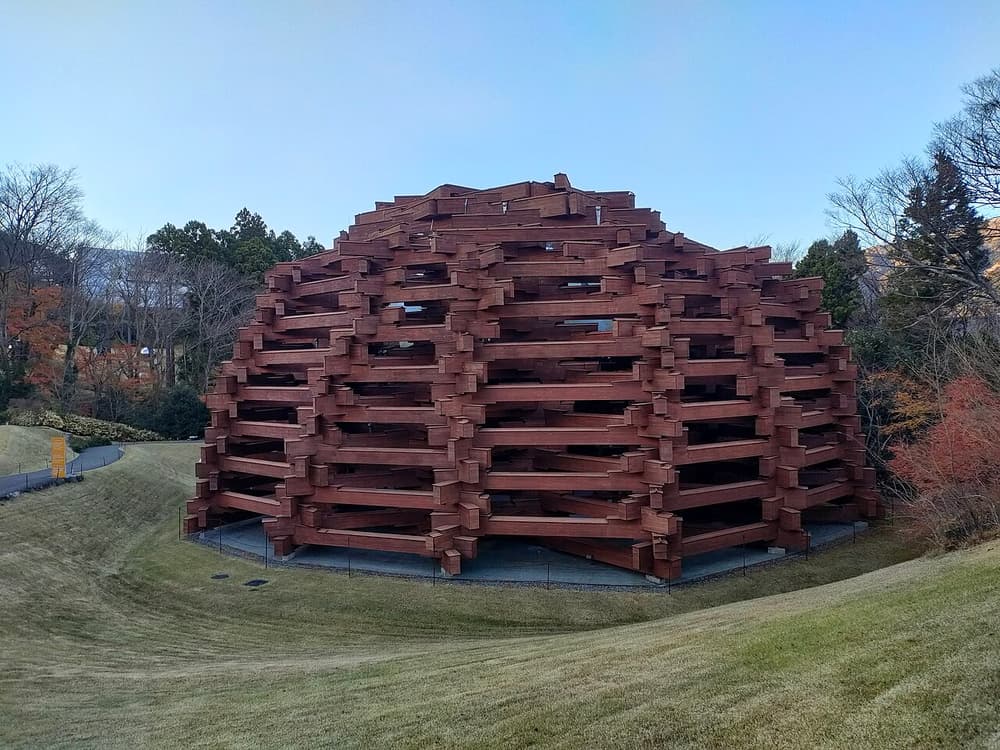
- Sculpture in the mountains at the Hakone Open-Air Museum
- An evening in a hot-spring ryokan with a kaiseki dinner
Hakone in pictures
How long to stay and where to base yourself
How long: the loop takes six to eight hours with stops, so a day trip is possible if you leave Tokyo by 8:00. Staying overnight lets you add a museum, bathe properly and avoid the afternoon rush on the ropeway.
Where to base yourself: Hakone-Yumoto, at the entrance, is easiest for a short stay and has the most day-use baths. Miyanoshita, Kowakidani and Gora, up the Tozan line, are central to the loop and close to the museums. Sengokuhara is quieter, among pampas-grass fields; Moto-Hakone and the lake shore suit those who want Fuji views and the shrine at dawn.