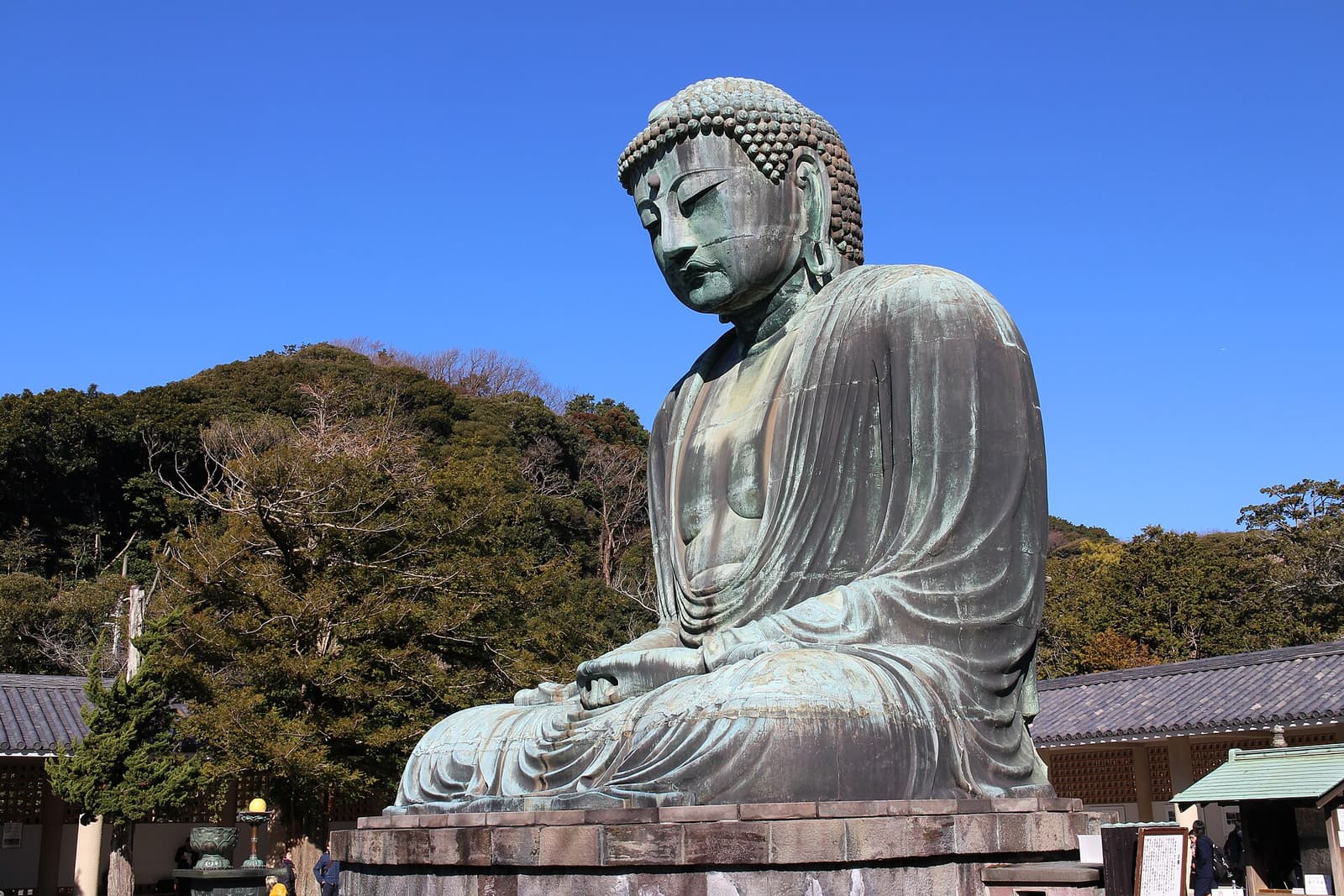
From 1185 to 1333 Kamakura was the seat of Japan’s first shogunate, and the warrior government left behind dozens of Zen temples and shrines in the wooded hills that ring the town on three sides. The most famous sight is the Great Buddha, a bronze figure more than 11 metres tall that has sat in the open air since a tsunami carried away its hall in the 15th century.
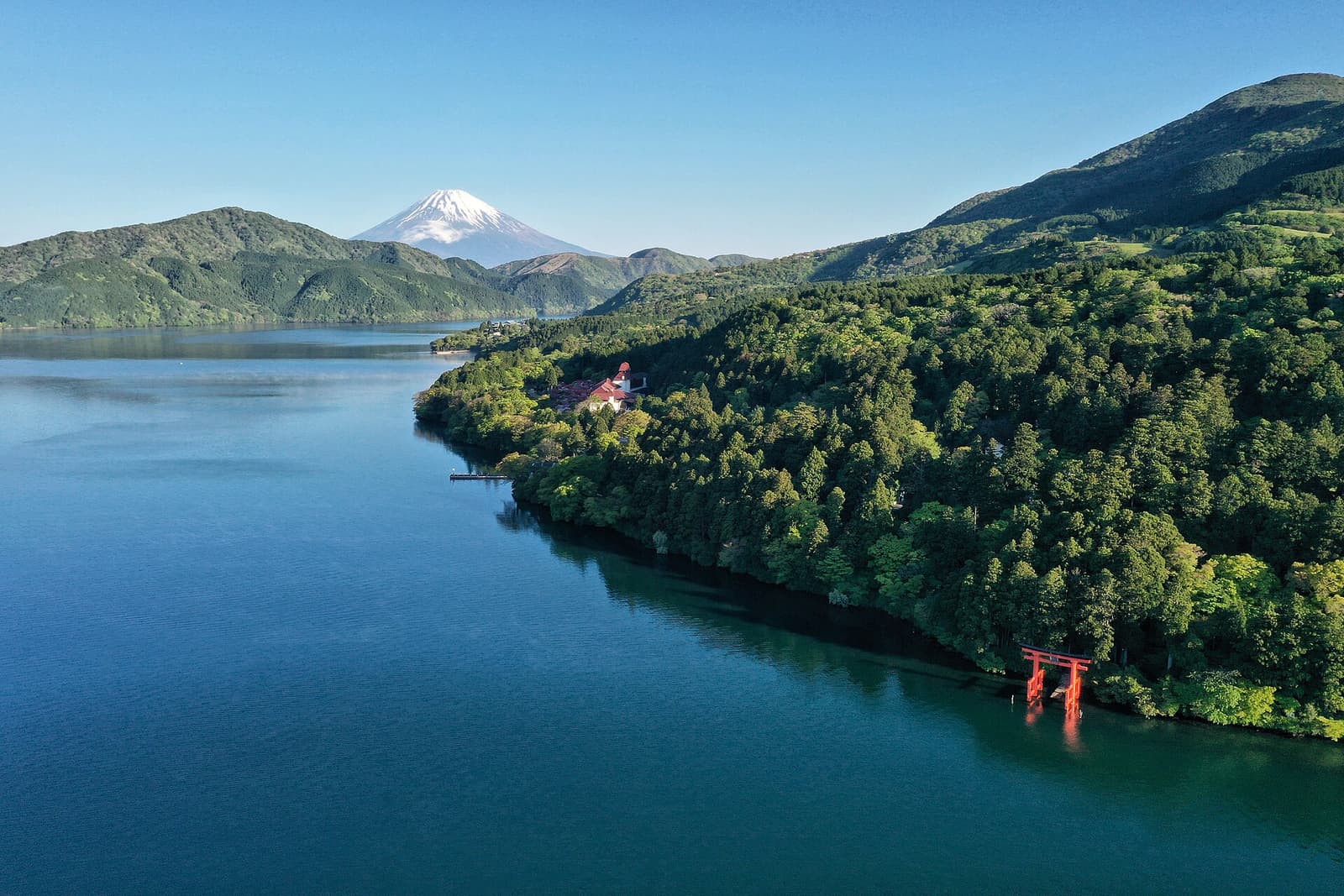
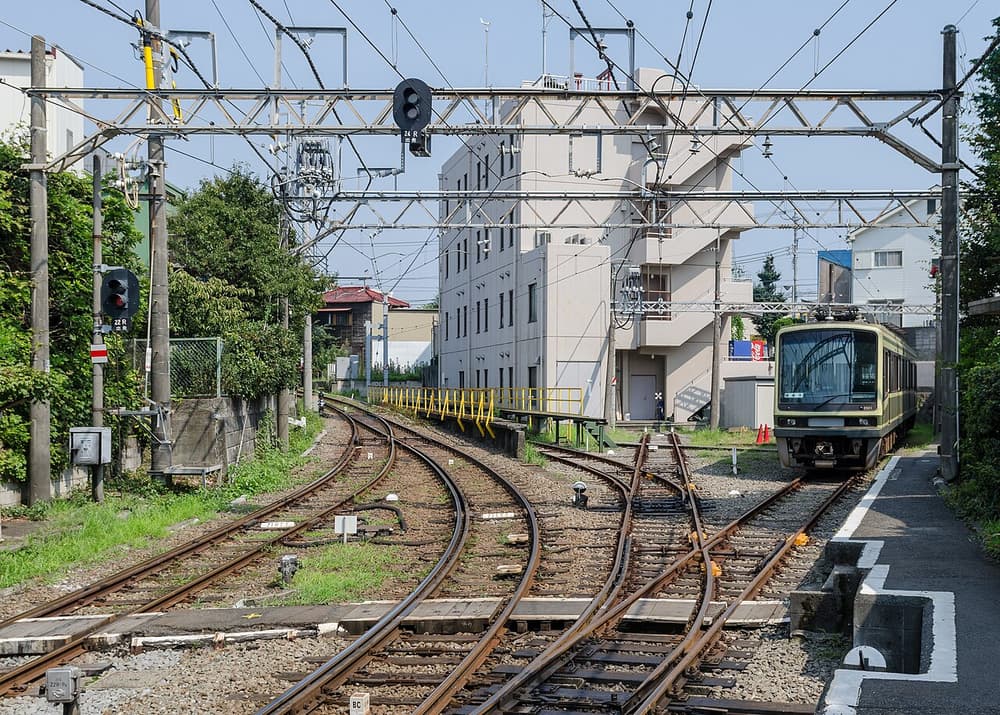
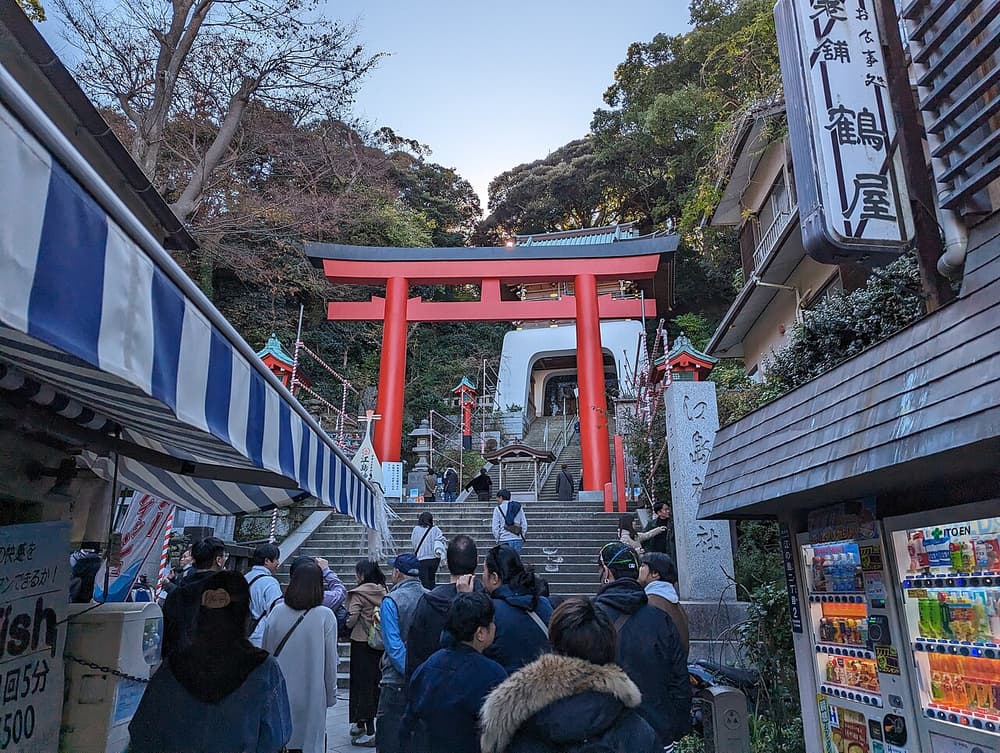
The fourth side of Kamakura is the sea. The Enoden, a narrow-gauge electric railway, trundles between houses and along the Shonan coast to Enoshima, a small island of shrines, caves and seafood restaurants joined to the mainland by a bridge, with views of Mount Fuji across the bay on clear days. Culture in the morning, coast in the afternoon: that is the classic Kamakura day.
Highlights
- Standing beneath the Great Buddha of Kotoku-in
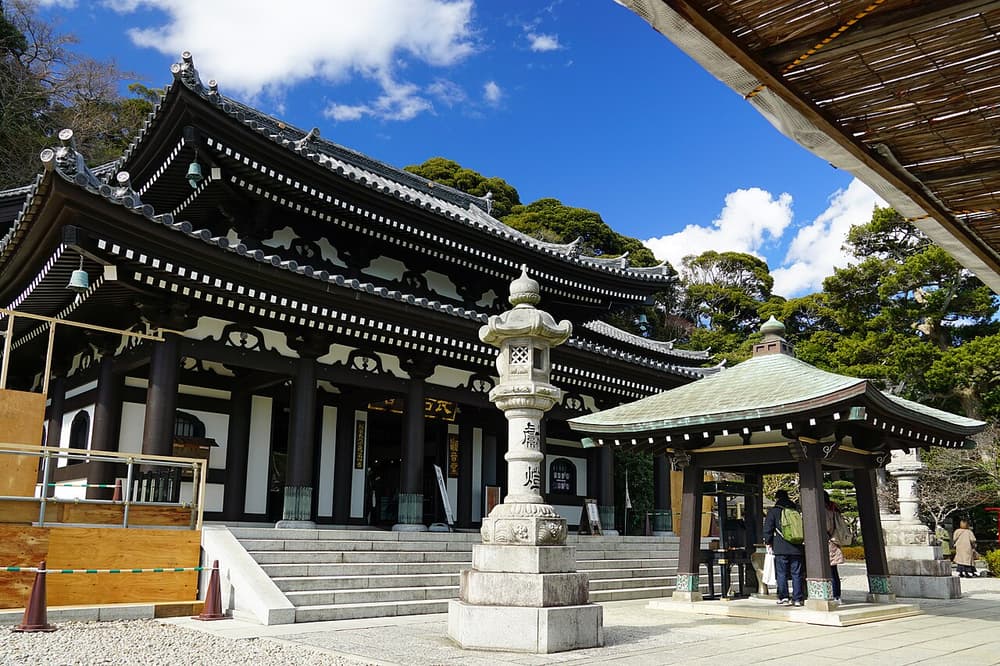
- Hasedera’s gilded Kannon, sea views and hydrangea path
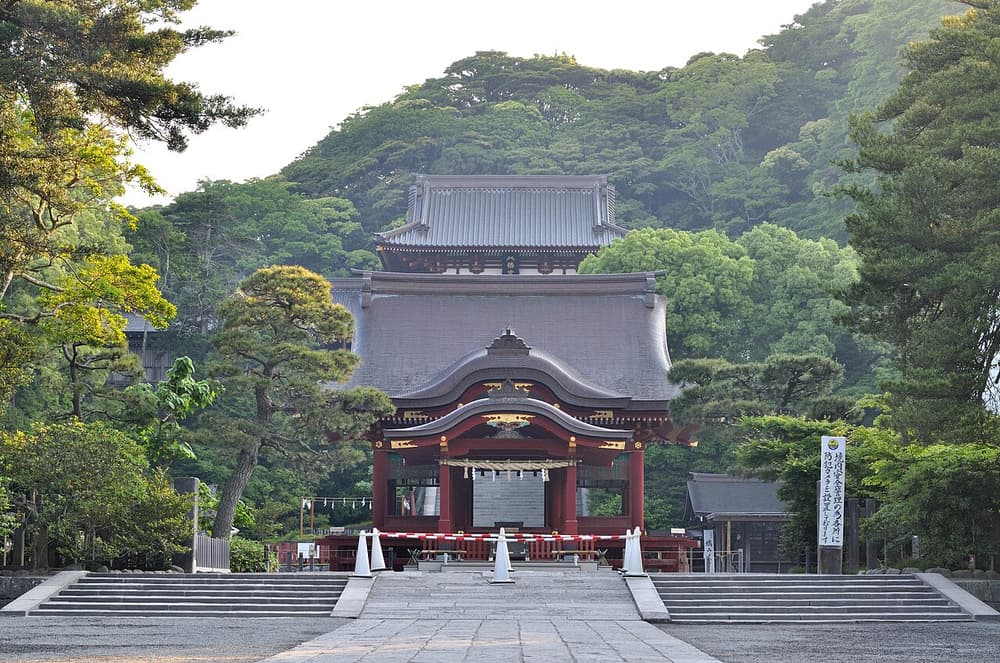
- The approach to Tsurugaoka Hachimangu and snacks on Komachi-dori
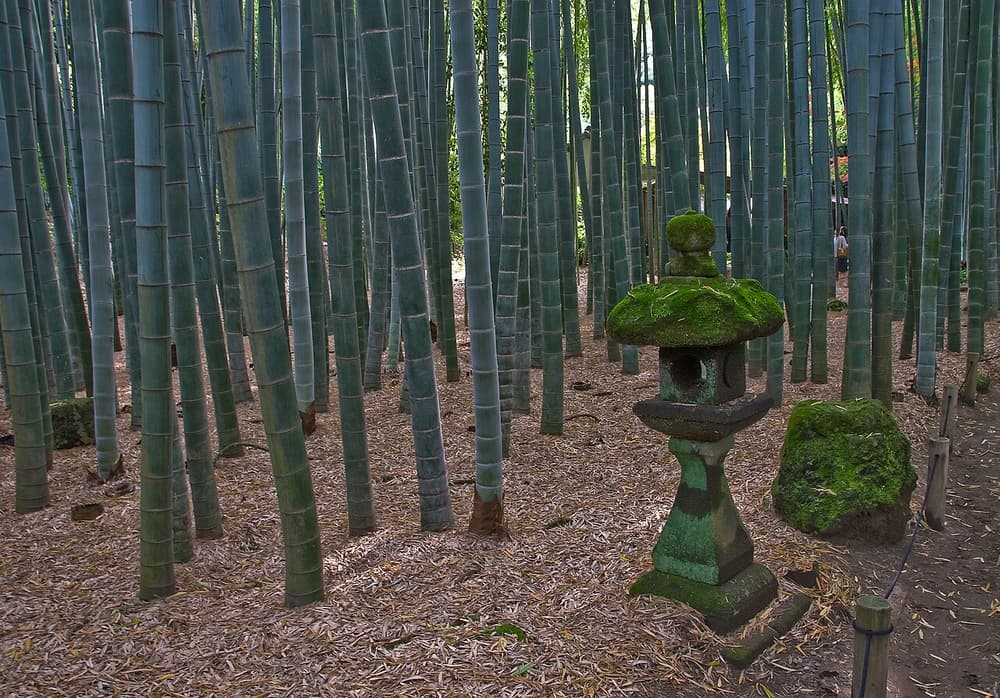
- Matcha in the bamboo grove of Hokokuji
- Riding the Enoden along the coast
- Sunset and Fuji views from Enoshima
Kamakura & Enoshima in pictures
How long to stay and where to base yourself
How long: one full day covers the main Kamakura sights and a taste of Enoshima. Two days allow the northern Zen temples at Kita-Kamakura, a hill walk and an unhurried afternoon on the island.
Where to base yourself: most people visit from Tokyo or Yokohama, 25 minutes away. Staying over gives you the temples in the quiet of early morning: choose around Kamakura Station for convenience, or the beachfront at Yuigahama and Shichirigahama for sea views.