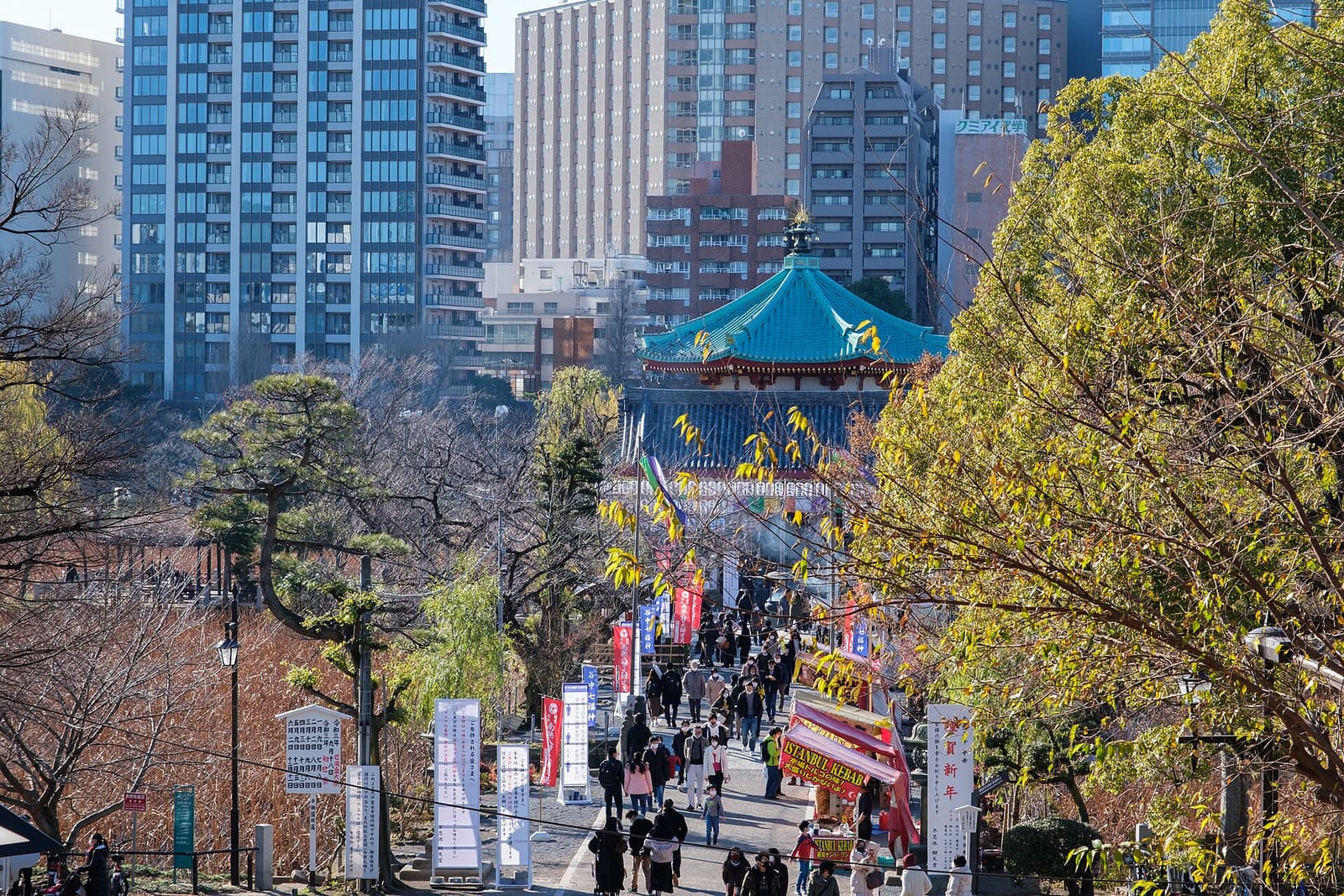
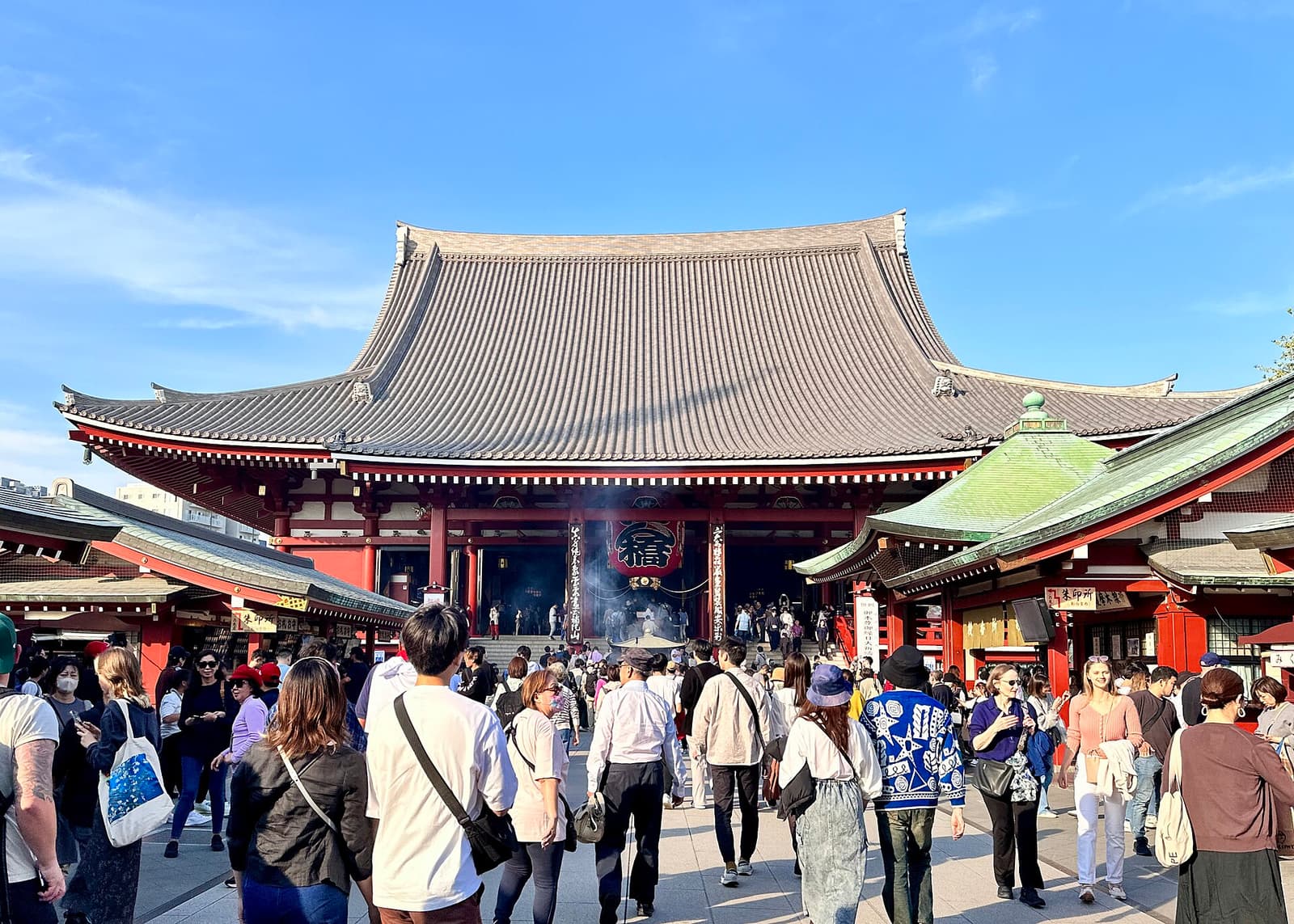
Before Shinjuku and Shibuya existed as city centres, Asakusa was Tokyo’s playground — the temple town of Senso-ji, the capital’s oldest temple, and the theatre and entertainment district that grew up beside it. That shitamachi (low-town) atmosphere survives in covered arcades, standing bars and craft shops, and it is the reason most visitors come here on their first or second day.
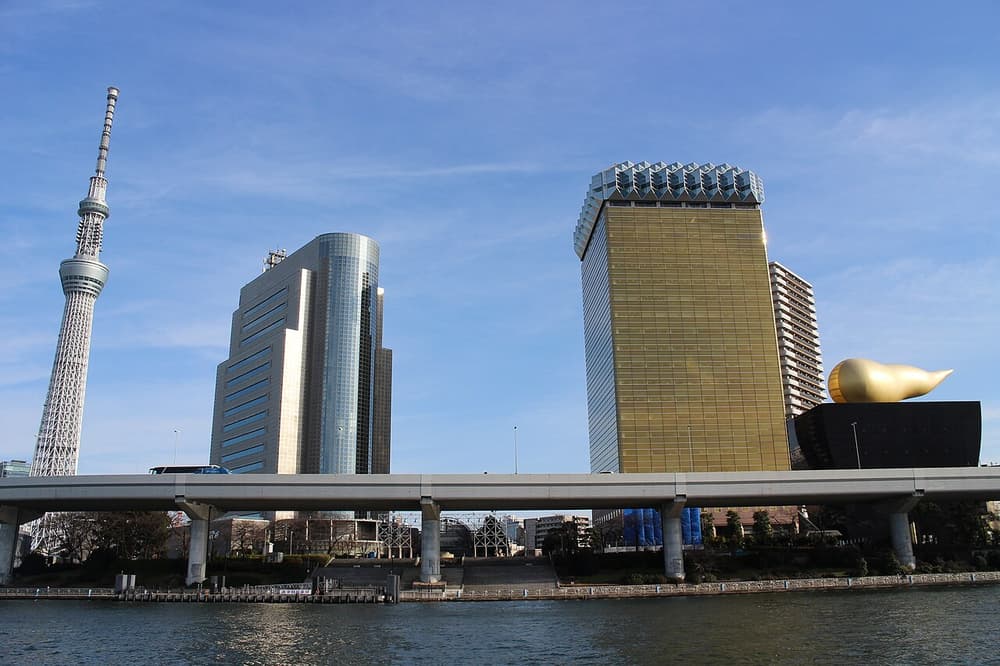
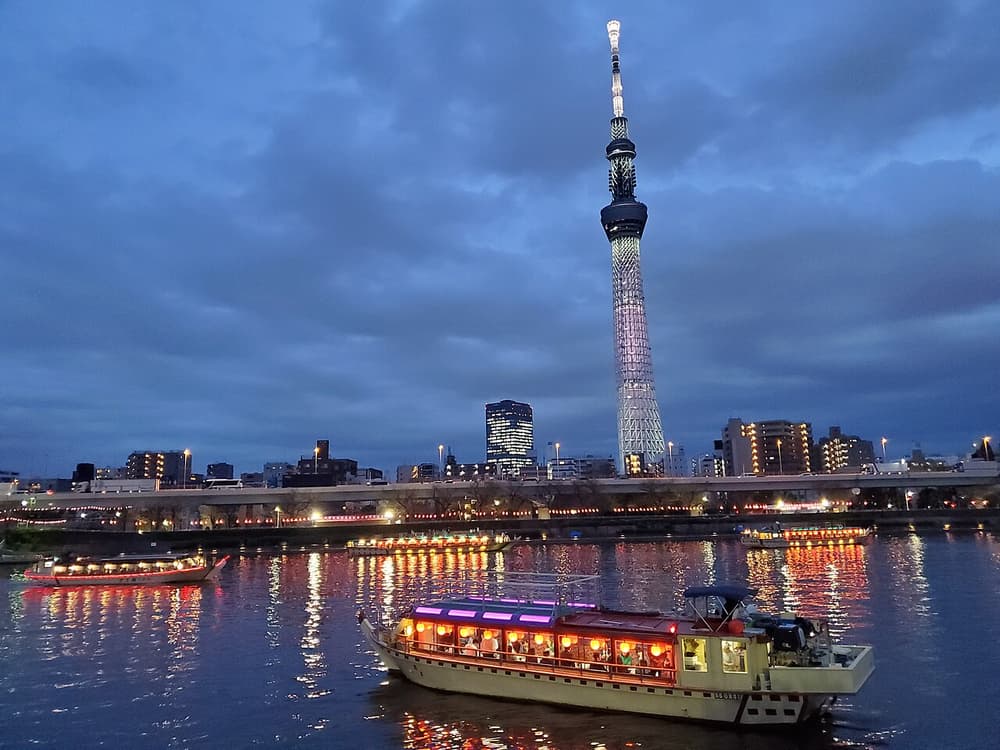
The other half of this hub is on the east bank of the Sumida River, a 20-minute walk or one train stop away: Tokyo Skytree, the world’s tallest free-standing broadcasting tower, with a shopping centre and aquarium at its foot. Between the two run riverside promenades and the piers for water buses down to Hamarikyu and Odaiba.
Highlights
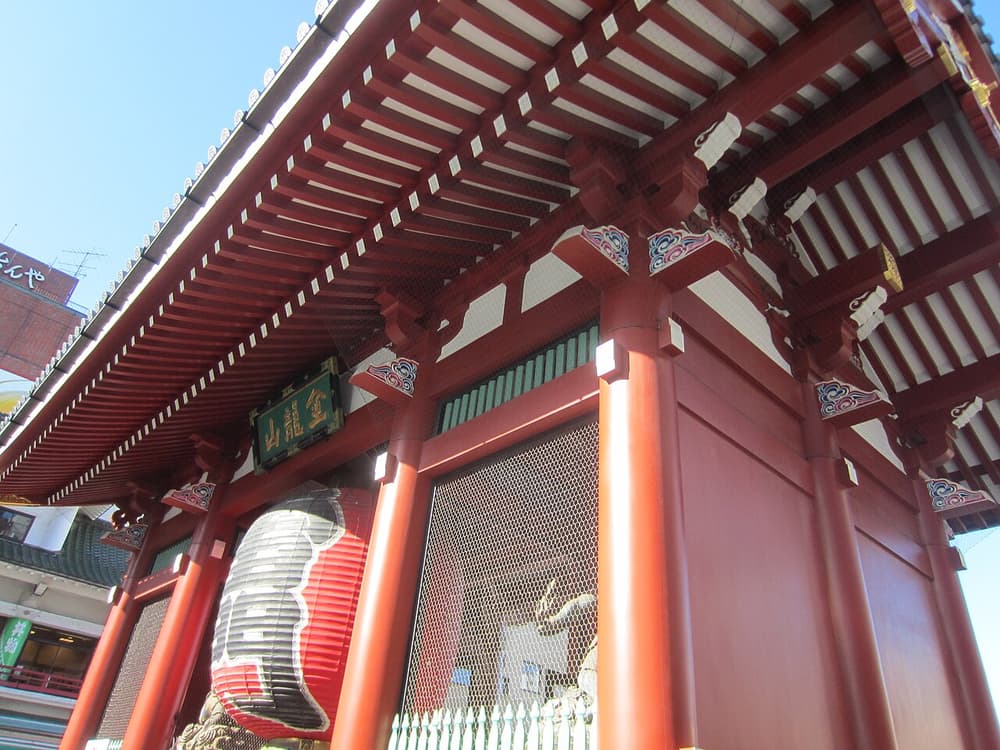
- Walking under the giant lantern of Kaminarimon to Senso-ji
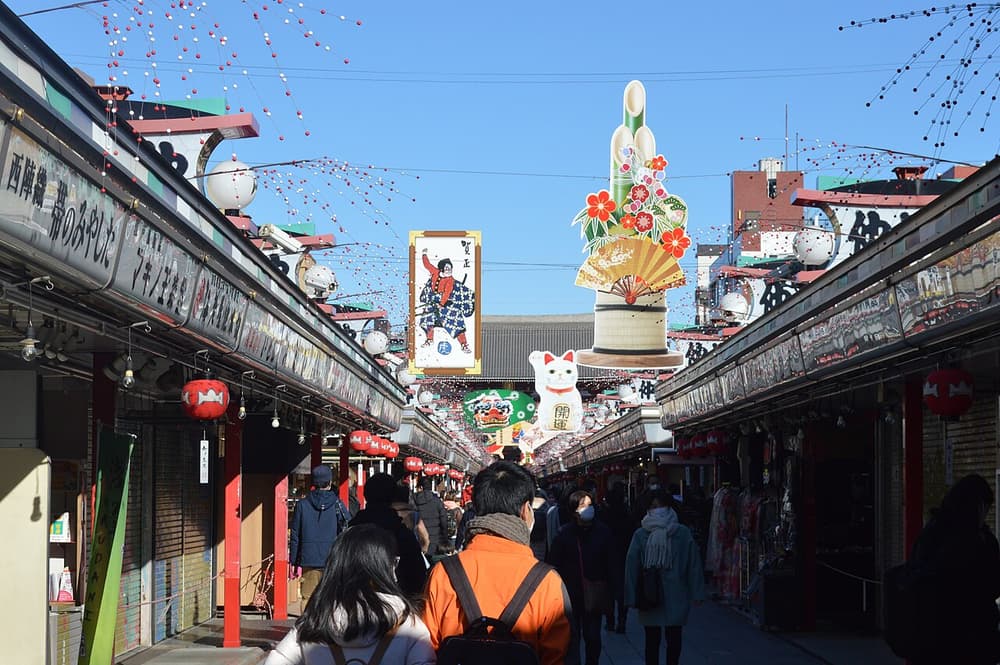
- Snacks and souvenirs along Nakamise shopping street
- The view from Tokyo Skytree’s decks at 350 and 450 metres
- Dressing in kimono or riding a rickshaw through the back streets
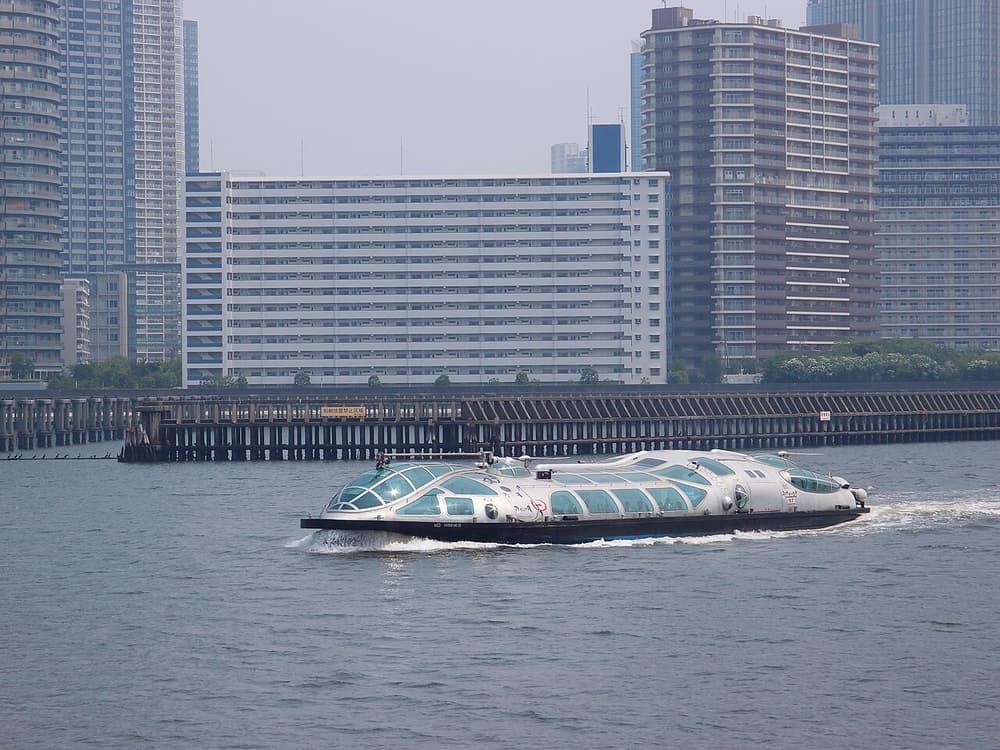
- A water bus or evening yakatabune cruise on the Sumida River
- Kitchenware browsing on Kappabashi street
Asakusa & Skytree in pictures
How long to stay and where to base yourself
How long: half a day is enough for the temple, Nakamise and the back streets; add Skytree and a river cruise for a full day.
Where to base yourself: Asakusa is one of Tokyo’s best-value areas to stay, with many mid-range hotels, ryokan-style inns and hostels, a calm atmosphere at night and a direct Asakusa Line link to both airports. The drawback is distance from the west side: allow 30–35 minutes to Shibuya or Shinjuku. See where to stay in Tokyo.