Areas at a glance
- Marunouchi and Otemachi: offices, restaurant floors and the palace approach.
- Yaesu and Nihonbashi: the station’s east side, bus terminal and the old merchant quarter with historic department stores.
- Yurakucho: smoky yakitori bars under the railway arches.
- Ginza: shopping, galleries, cafés and fine dining.
- Tsukiji: the market lanes and the Tsukiji Hongan-ji temple.
Eating and drinking
Ginza has a reputation for high prices, but lunch is the exception: many famous restaurants offer set lunches for a fraction of dinner prices, and department-store basements sell excellent bento. Tokyo Station’s Ramen Street and the yakitori counters of Yurakucho are good inexpensive options. At Tsukiji, eat standing at the stall where you bought the food and avoid blocking the lanes.
Shopping and tax-free
Most large stores in Ginza offer tax-free shopping for visitors with a passport. The system is being changed from an at-the-till exemption to a refund model; see the Tokyo travel guide and confirm in store.
Good to know
The East Gardens close on Mondays and Fridays, and Tsukiji is at its quietest on Sundays and Wednesdays, so Tuesdays, Thursdays and Saturdays work best for doing everything in one day. The district is very safe at all hours.
Sample plans
Half a day
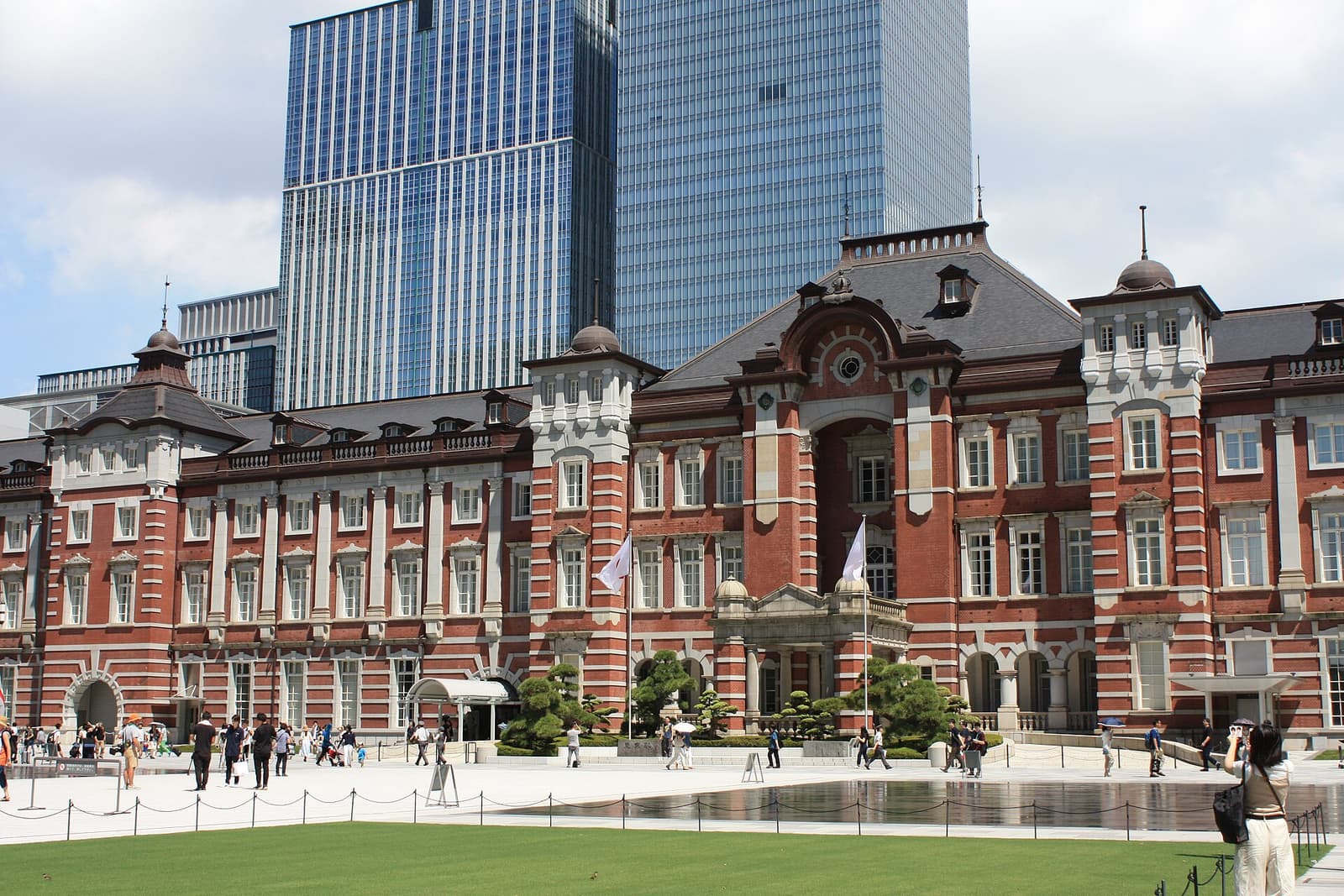
Breakfast at Tsukiji Outer Market, a walk up through Ginza as the shops open, and the Tokyo Station façade and KITTE roof garden to finish.
One full day
Tsukiji at 8:30, the Imperial Palace East Gardens before lunch in Marunouchi, Ginza in the afternoon and yakitori under the tracks at Yurakucho.
A culture day
The palace walking tour in the morning, a department-store lunch, a kabuki performance in the afternoon and dinner in Ginza.