Areas at a glance
- Kita-Kamakura: the great Zen monasteries Engaku-ji and Kencho-ji, and the hydrangea temple Meigetsu-in.
- Central Kamakura: Tsurugaoka Hachimangu, Komachi-dori and the station.
- East Kamakura: quieter temples including Hokokuji and Sugimoto-dera.
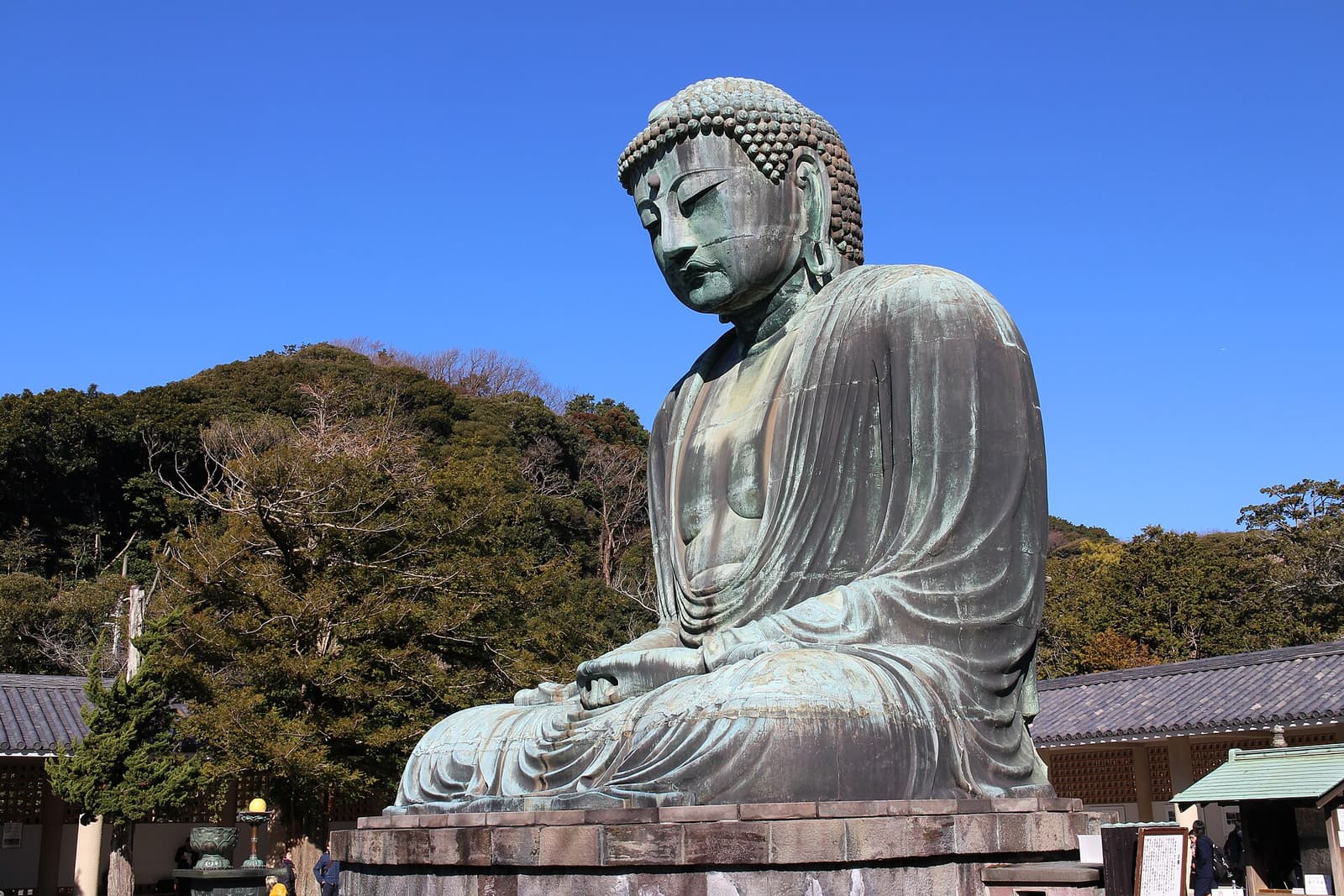
- Hase: the Great Buddha, Hasedera and Yuigahama beach.
- The Shonan coast and Enoshima: surf beaches, cafés, the aquarium and the island.
Eating and drinking
Try shirasu-don — rice topped with raw or boiled whitebait (raw is not available on days without a catch, or during the closed season early in the year). Komachi-dori sells sweet-potato soft ice cream, rice crackers and dumplings; eat beside the shop rather than walking. Seafront cafés along Shichirigahama are popular for breakfast and sunset.
Passes and money-saving
- Odakyu’s Enoshima-Kamakura Freepass covers the return trip from Shinjuku and unlimited Enoden rides for a day.
- An Enoden one-day pass pays off if you make four or more journeys.
- Temple fees are modest but add up — choose three or four rather than trying to see ten.
Etiquette and safety
Kamakura has asked visitors not to eat while walking on crowded streets and to keep clear of roads and private property when photographing the Enoden. On the beaches, alcohol, music and tattoos on show are restricted in summer by local rules. Black kites swoop for food on the seafront and on Enoshima — keep snacks covered.
Sample plans
Classic day
Kamakura Station by 9:30, Tsurugaoka Hachimangu and Komachi-dori, Enoden to Hase for Hasedera and the Great Buddha, then on to Enoshima for the late afternoon and sunset.
Temples and trail
Start at Kita-Kamakura with Engaku-ji and Kencho-ji, walk the Daibutsu trail to the Great Buddha, and finish at Hasedera and Yuigahama beach.
Two days
Day one for the temples of Kita-Kamakura and central Kamakura with Hokokuji; day two for Hase, the coast by Enoden and a full afternoon on Enoshima.