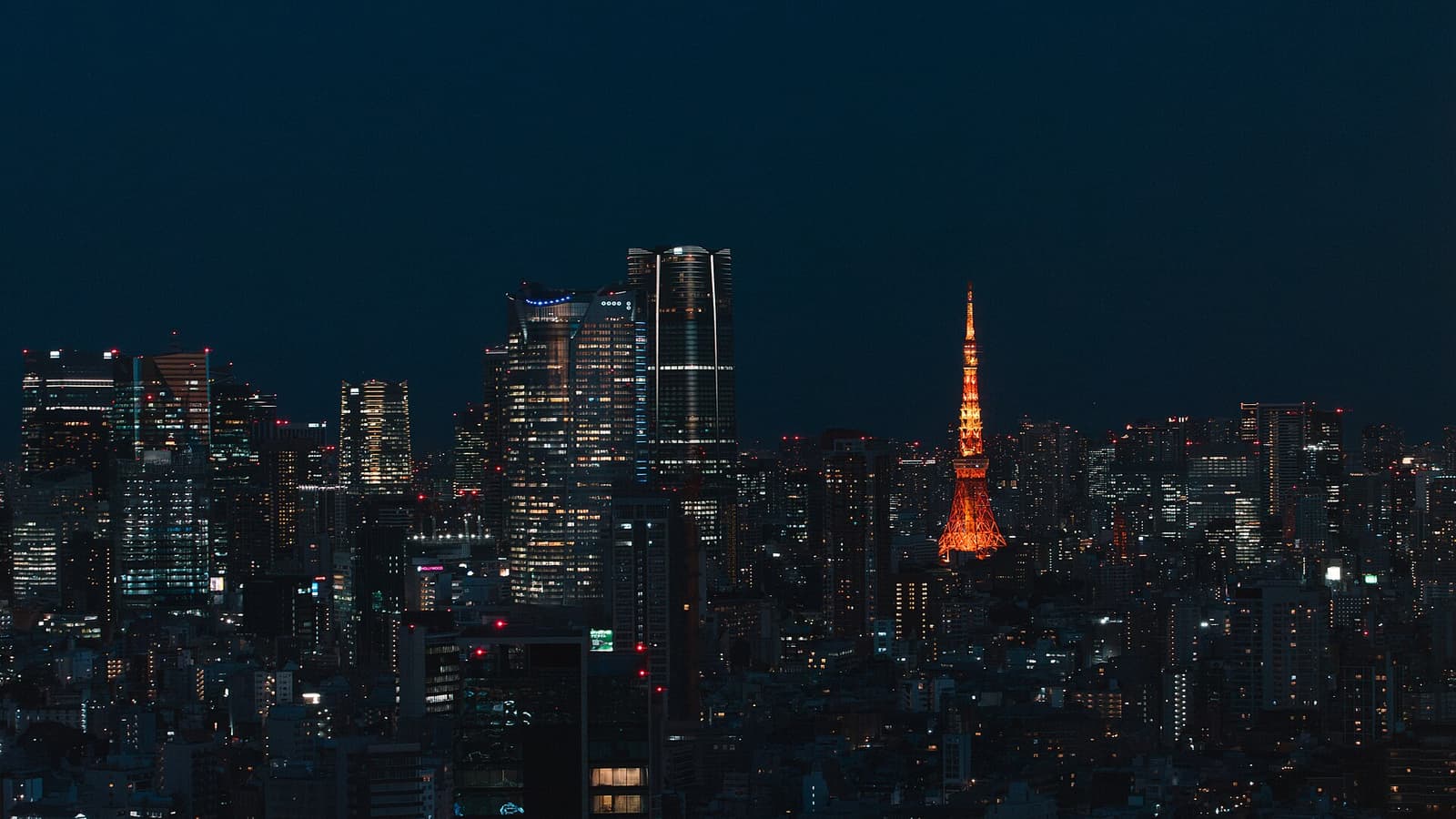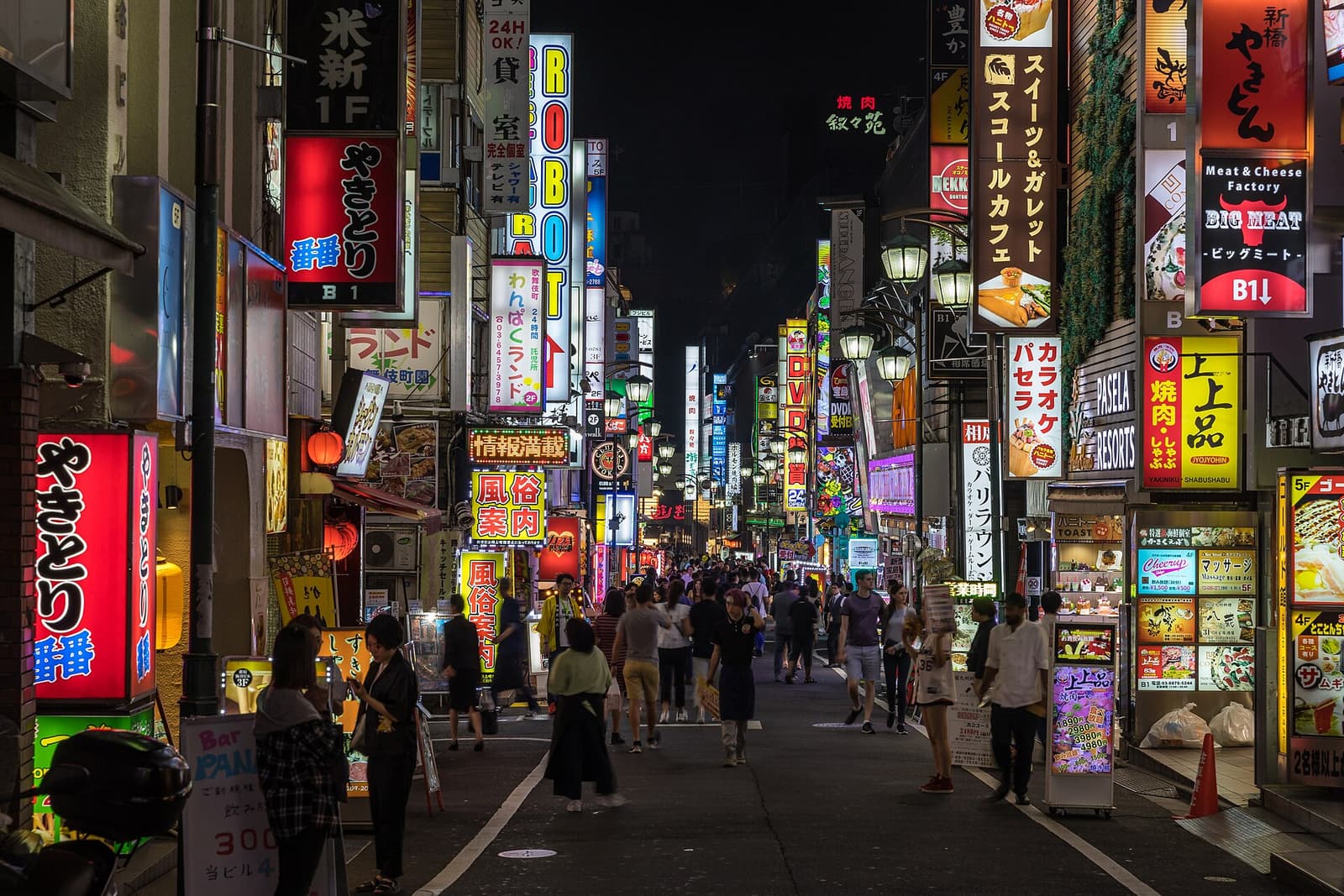
Shinjuku
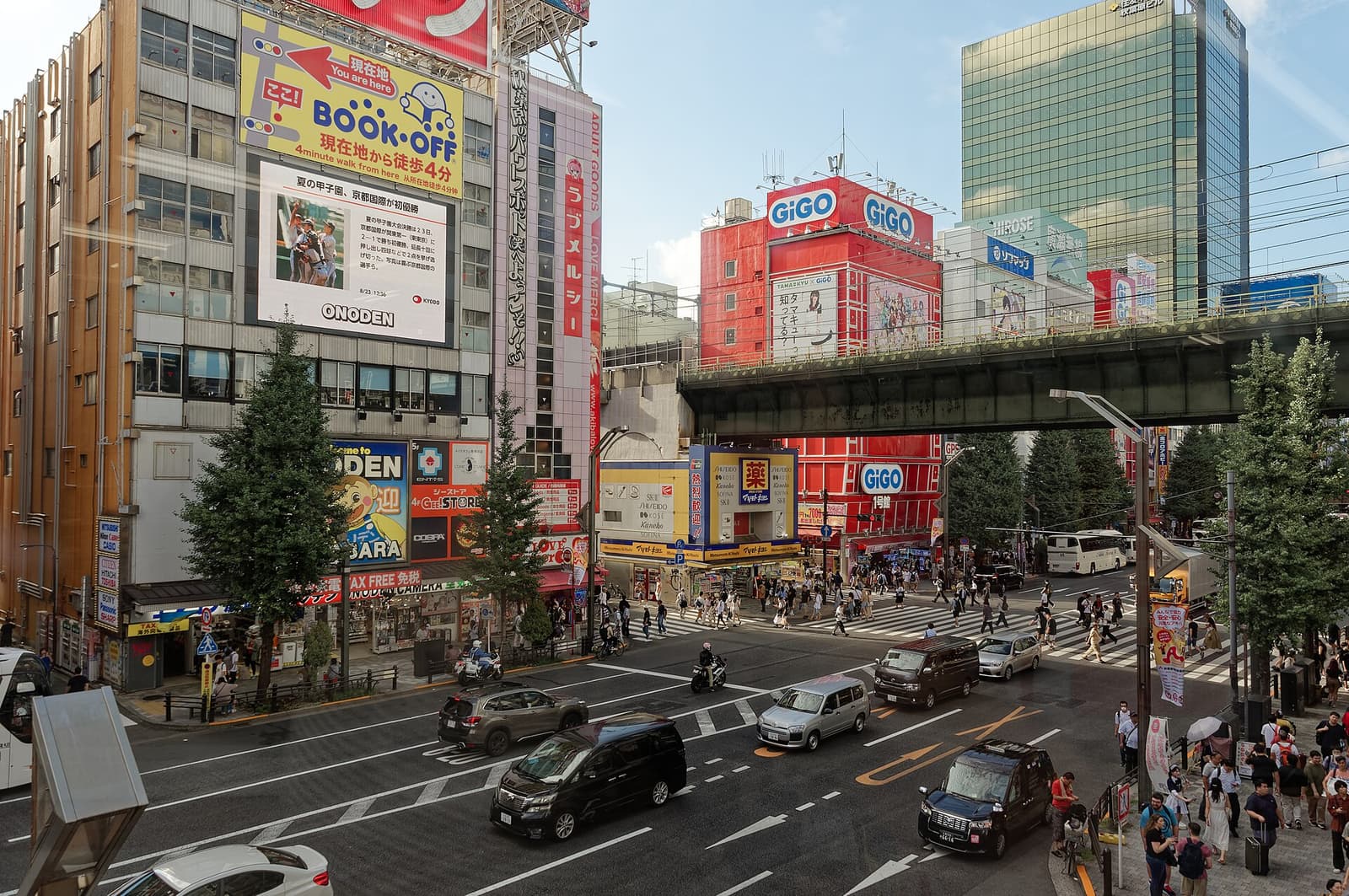
Neon nights, tiny bars, a vast garden and Tokyo’s best-connected station.

Fifteen in-depth guides to the city’s great districts and its classic day trips — what to see, how to get there, when to go, where to stay and which tours are worth booking.
Greater Tokyo is home to some 37 million people, yet it rarely feels like a single giant city. It is a collection of towns, each gathered around its own railway station and each with a distinct character.
Shinjuku is neon and nightlife; Asakusa is temples and tradition; Ginza is polish; Akihabara is anime; Shibuya is youth and fashion. An hour or two beyond them are the mountains and coast that Tokyoites escape to: Mount Fuji, the hot springs of Hakone, the gilded shrines of Nikko, seaside Kamakura and the harbour city of Yokohama.
That is how this site is organised. Pick the places that match your interests, read their guides, and use our city-wide pages on transport, seasons, itineraries and where to stay to join them up.
Ten Tokyo districts and five day trips. Every guide has its own pages for tours, sights, transport, practical tips and seasons.
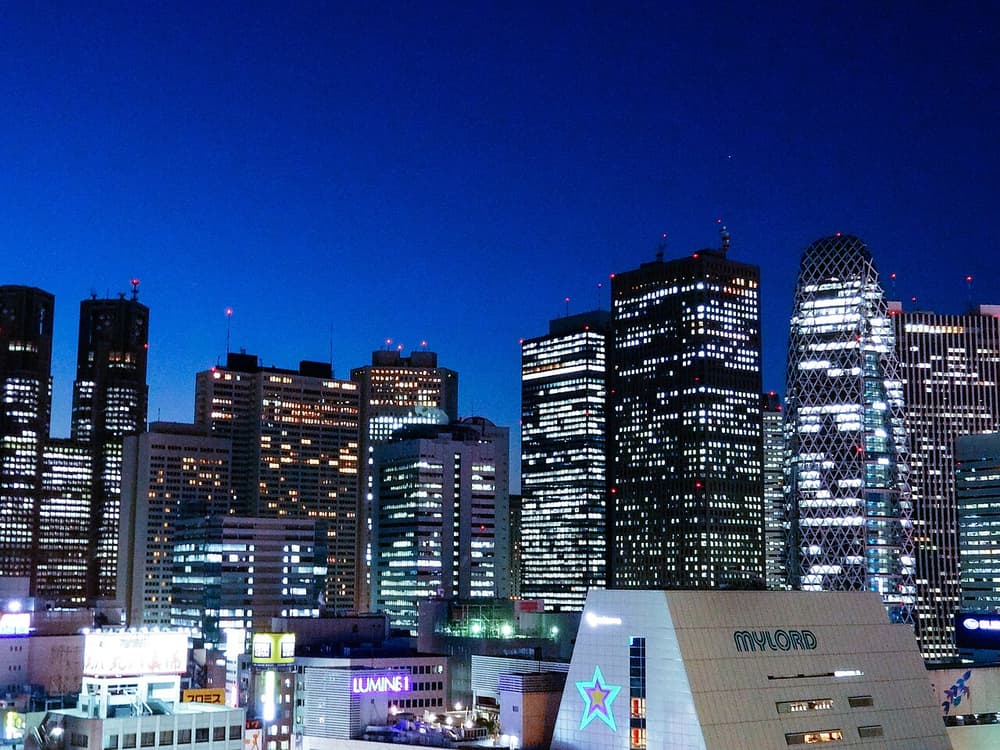
Neon nights, tiny bars, a vast garden and Tokyo’s best-connected station.
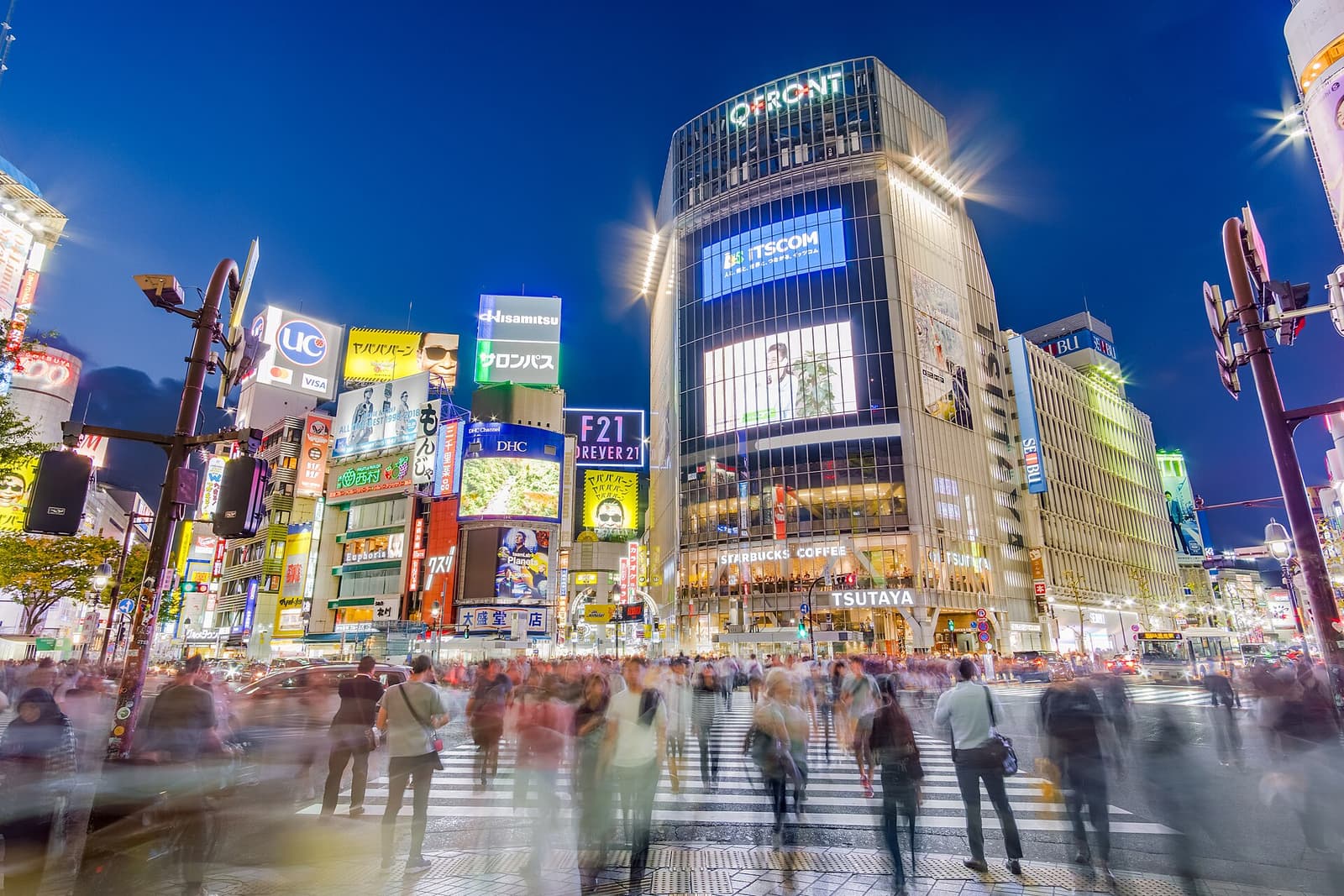
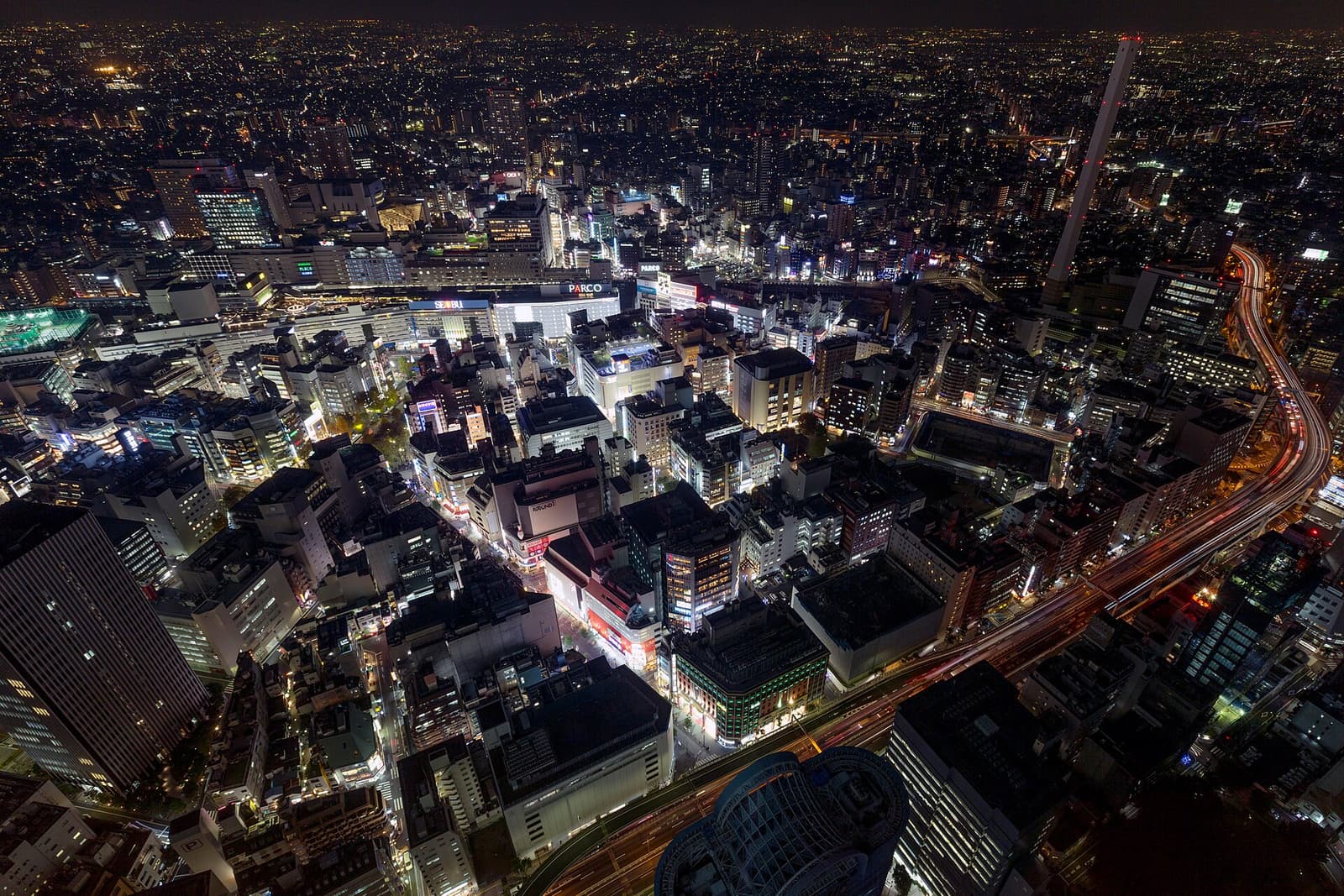
The Scramble Crossing, a rooftop in the sky, a shrine in a forest and Tokyo’s street fashion.
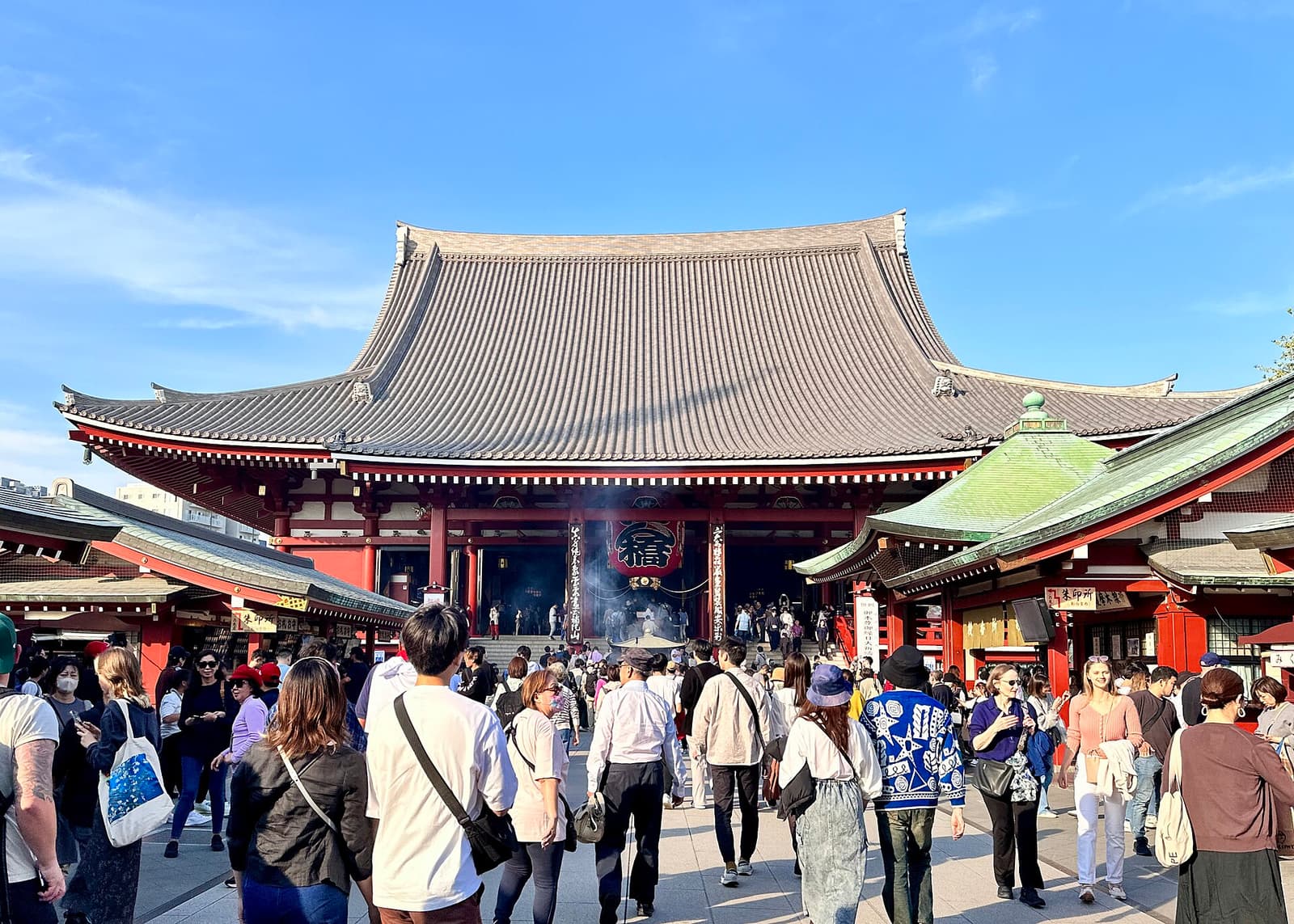
Tokyo’s oldest temple, lantern-lit shopping lanes, river boats and the tallest tower in Japan.
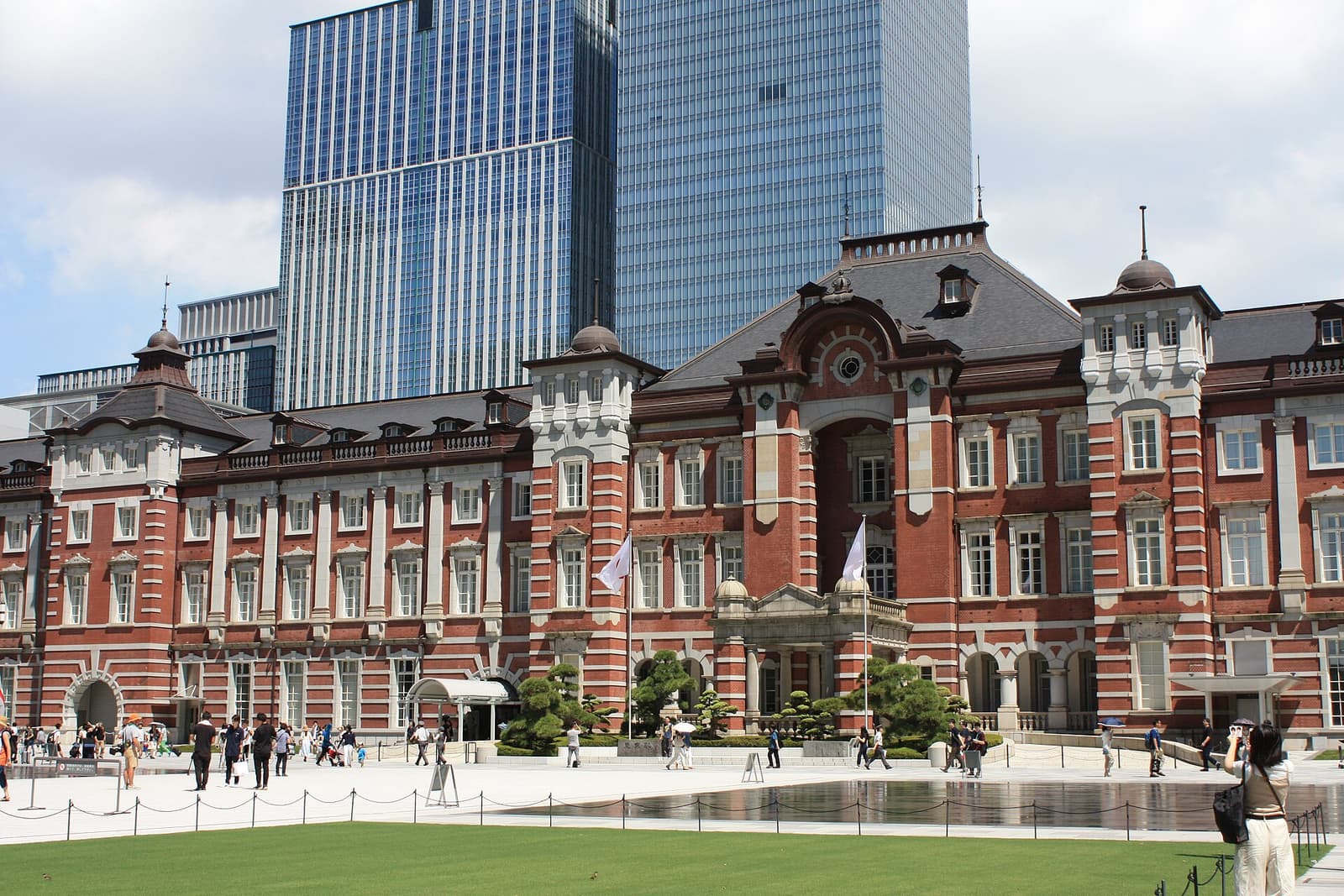
Elegant shopping streets, the Imperial Palace, Tsukiji’s food stalls and kabuki.
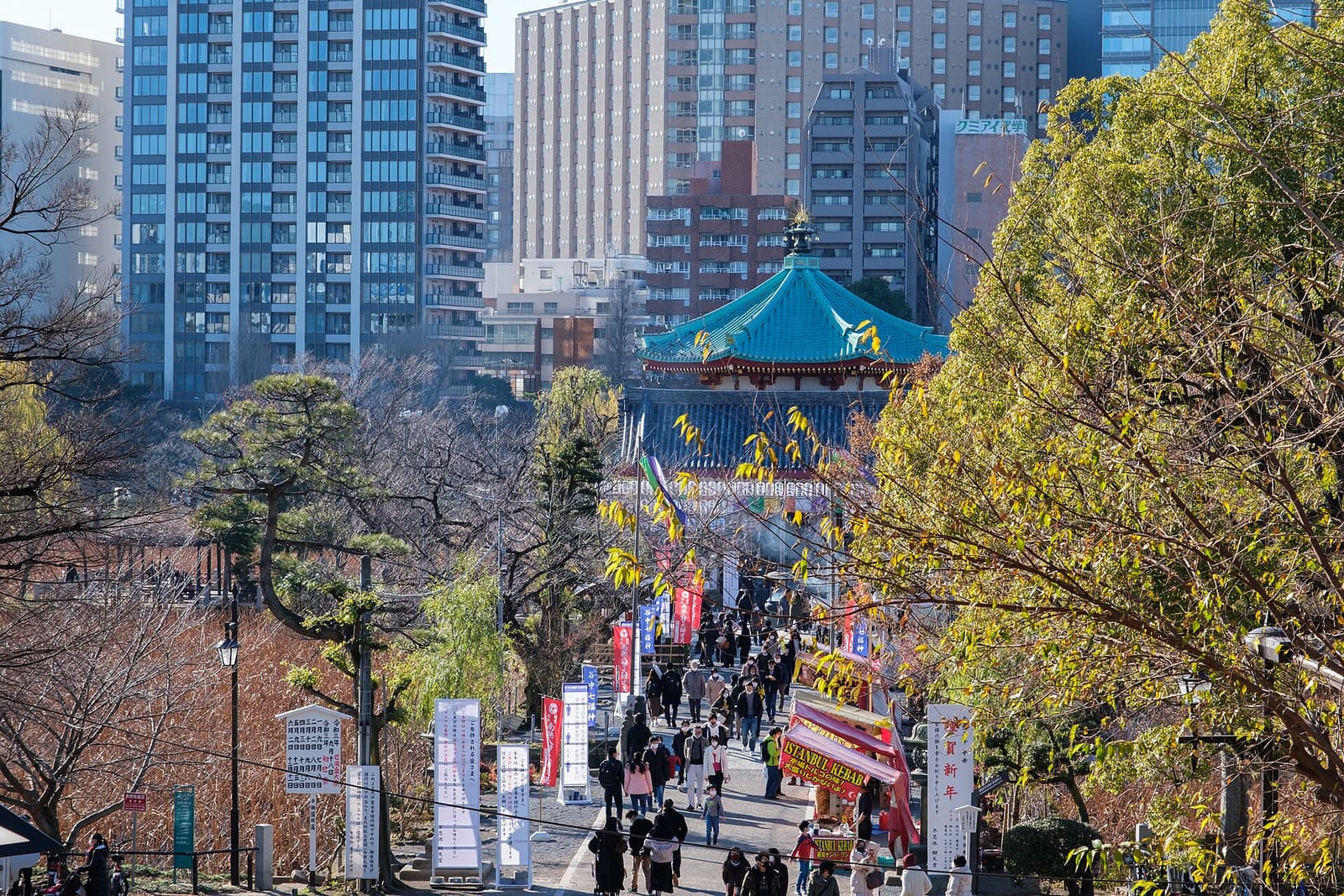
Tokyo’s museum park, a boisterous market street and the old town that time forgot.
Anime, games, arcades and electronics — with a 1,300-year-old shrine and a town of bookshops next door.
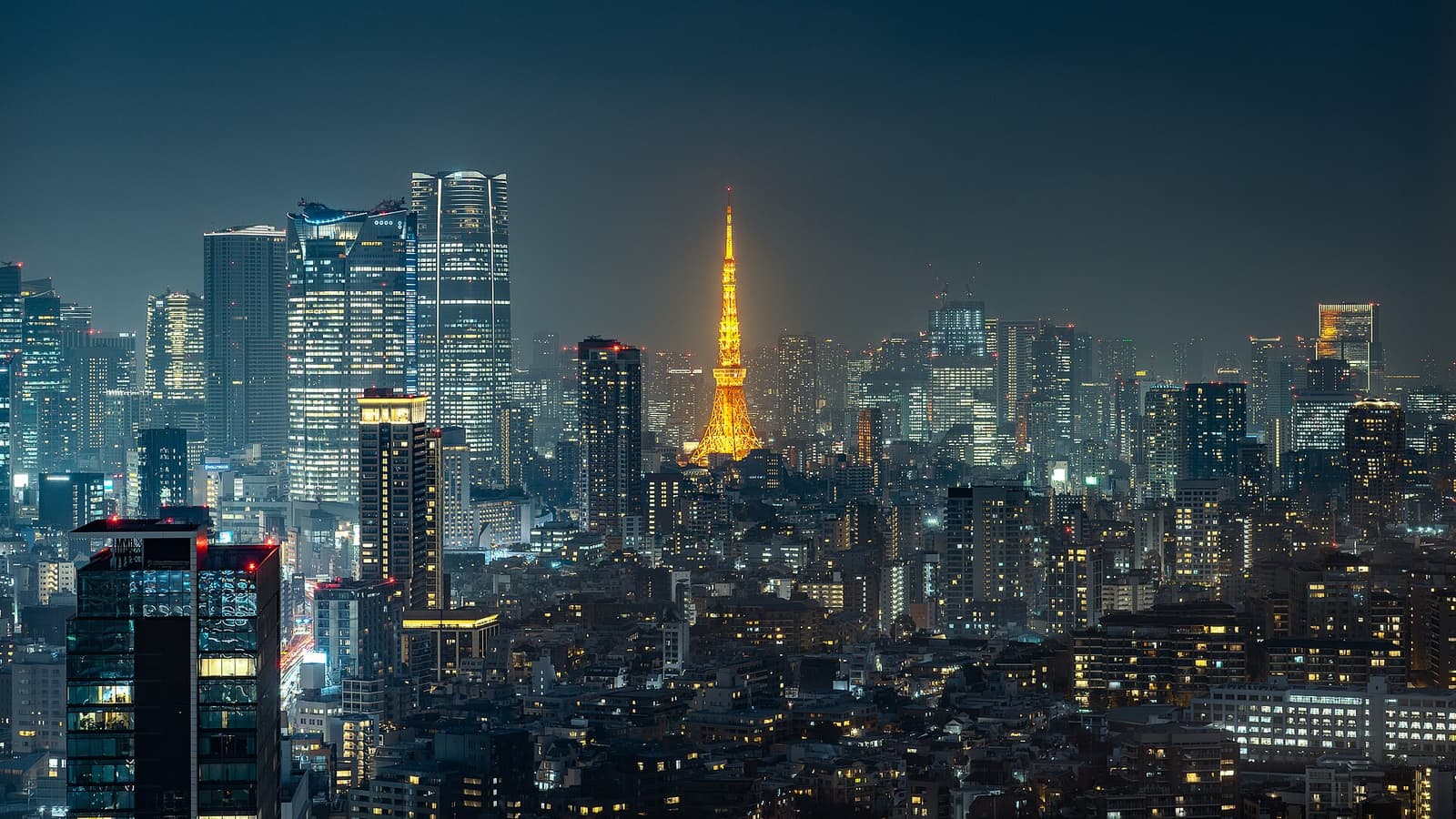
Tokyo Tower, teamLab Borderless, art museums and skyline views from Japan’s tallest building district.
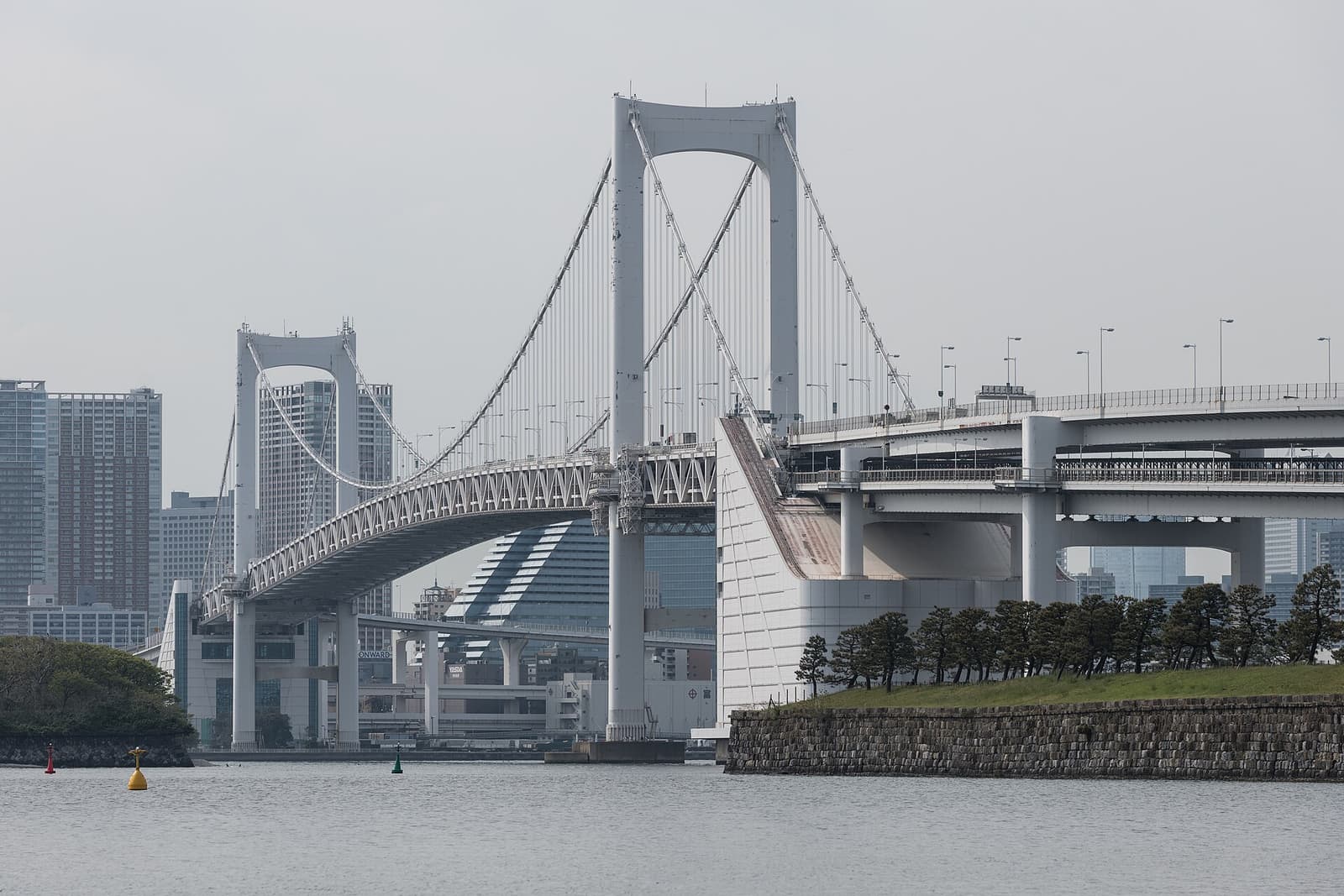
teamLab Planets, the tuna auction, a giant Gundam and Rainbow Bridge views across Tokyo Bay.
Sunshine City, anime shopping, a ramen battleground and good-value hotels on the Yamanote Line.
Tokyo Disneyland and the one-of-a-kind DisneySea, 15 minutes by train from Tokyo Station.
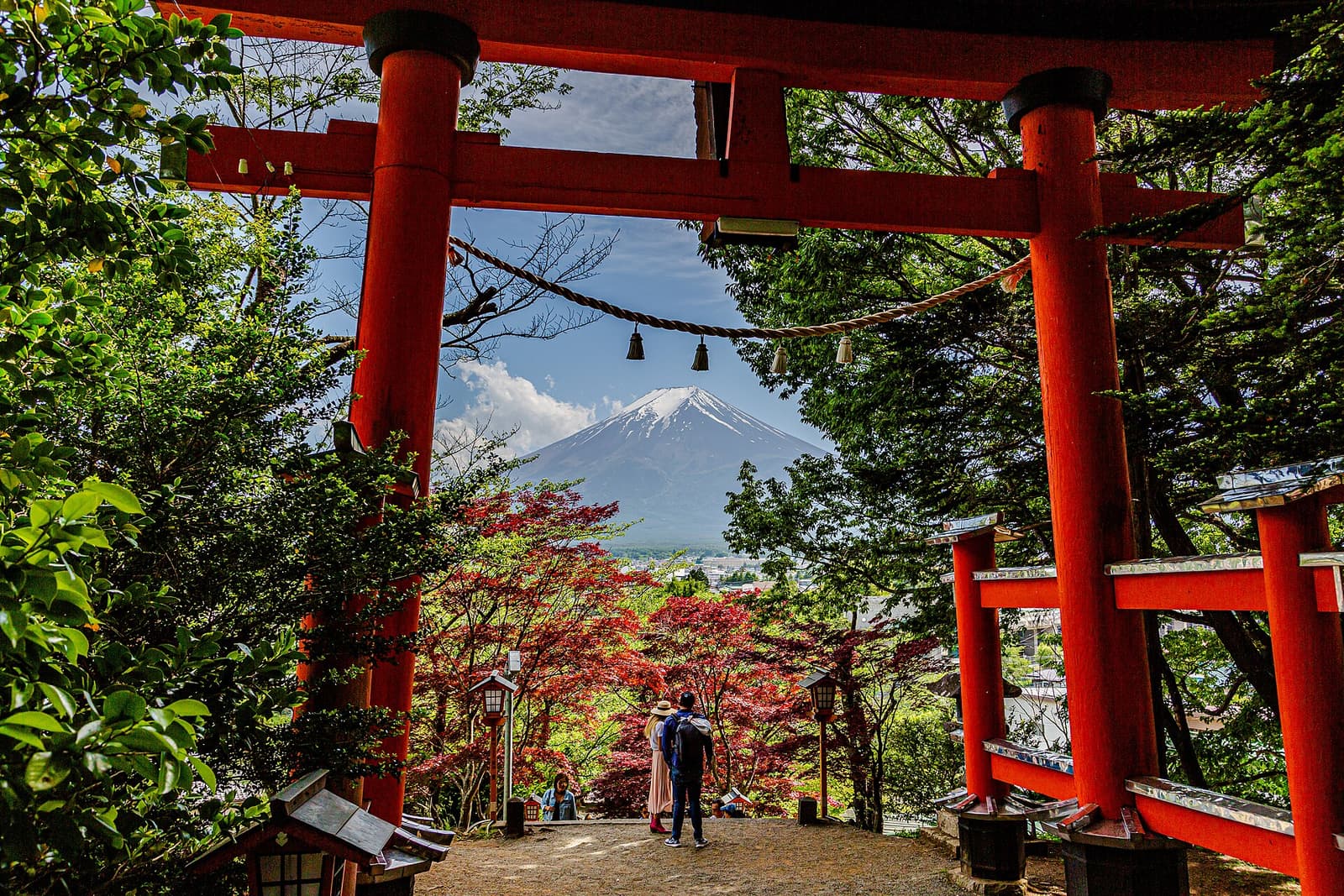
Japan’s sacred peak from its finest viewpoints: Chureito Pagoda, Lake Kawaguchiko and Oshino Hakkai.
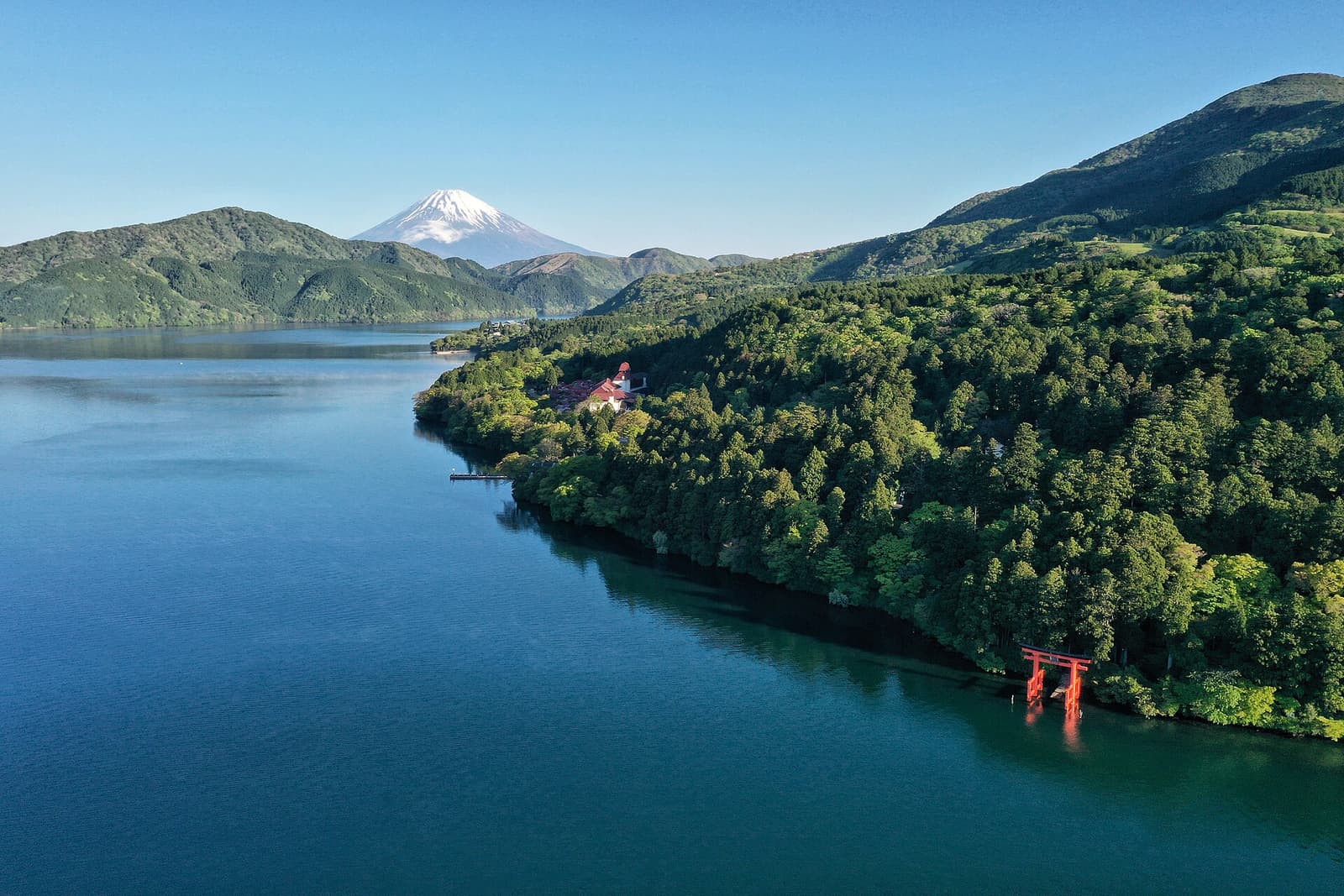
Hot springs, a volcanic valley, a pirate ship on Lake Ashi and — with luck — Mount Fuji.
Gilded World Heritage shrines in a cedar forest, with waterfalls and a mountain lake above.
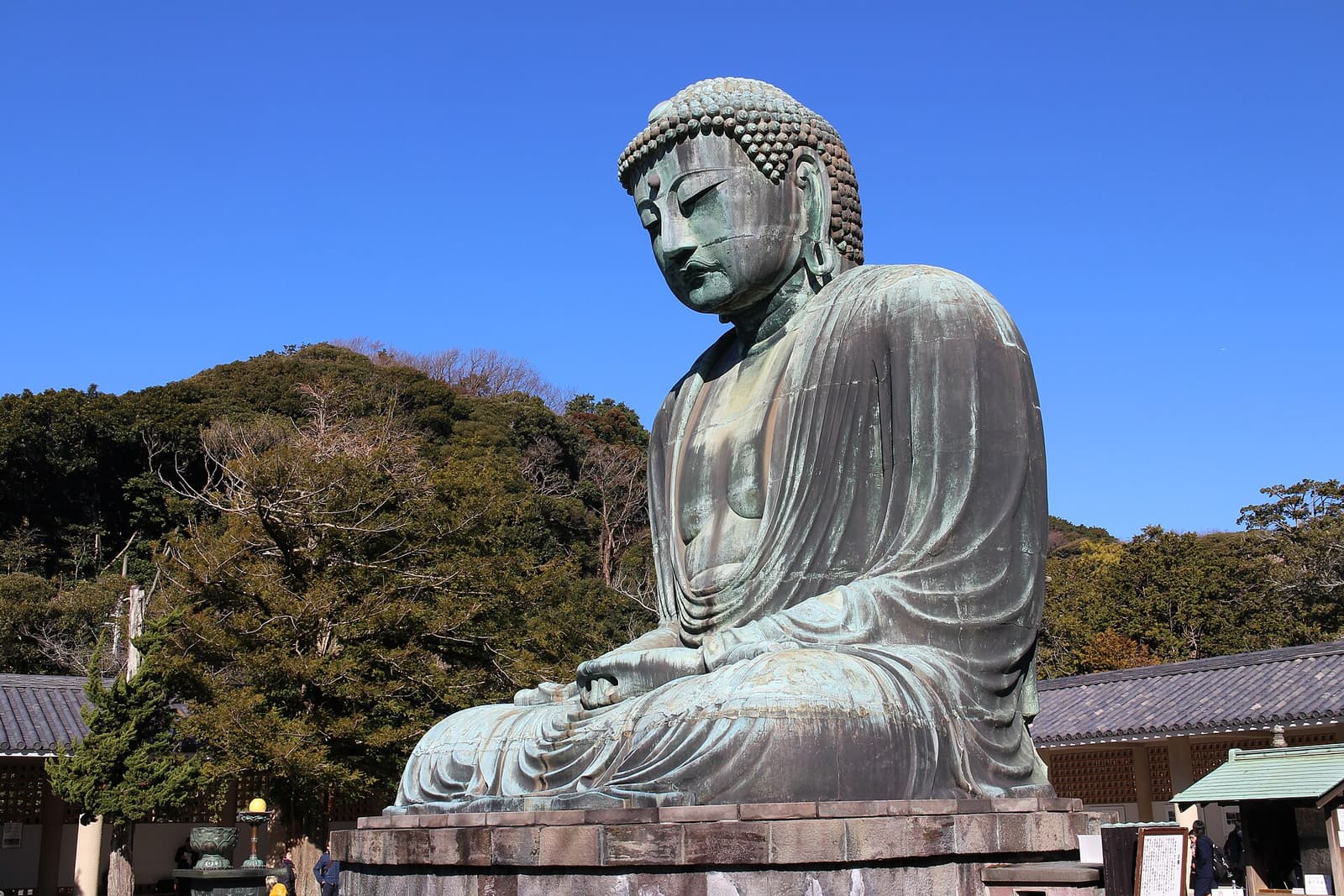
The Great Buddha, Zen temples, a seaside tram and an island shrine — an hour from Tokyo.
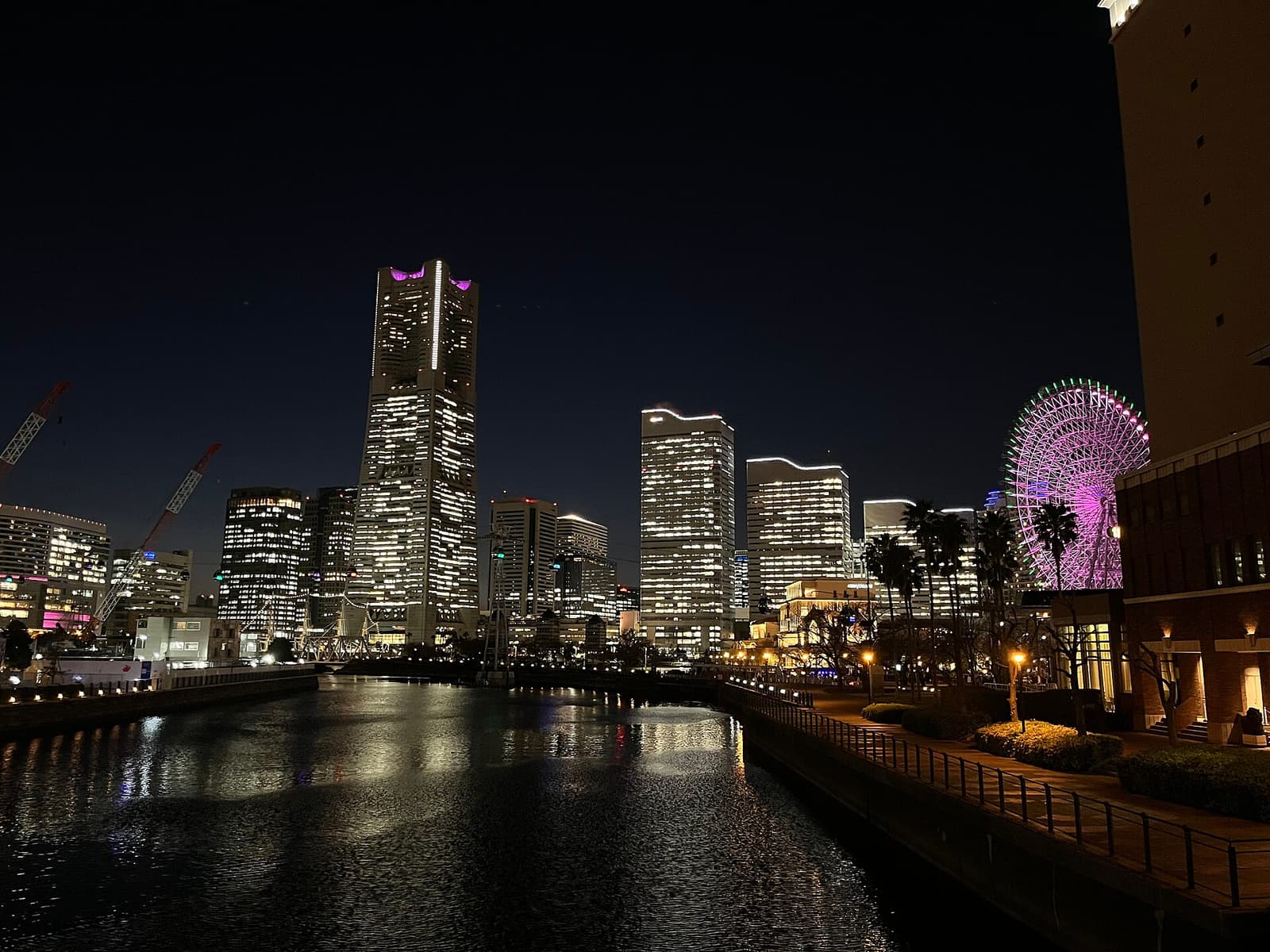
A harbour skyline, Japan’s biggest Chinatown, red-brick warehouses and a cup-noodle museum, 30 minutes from Tokyo.
If you are short of time, start here.
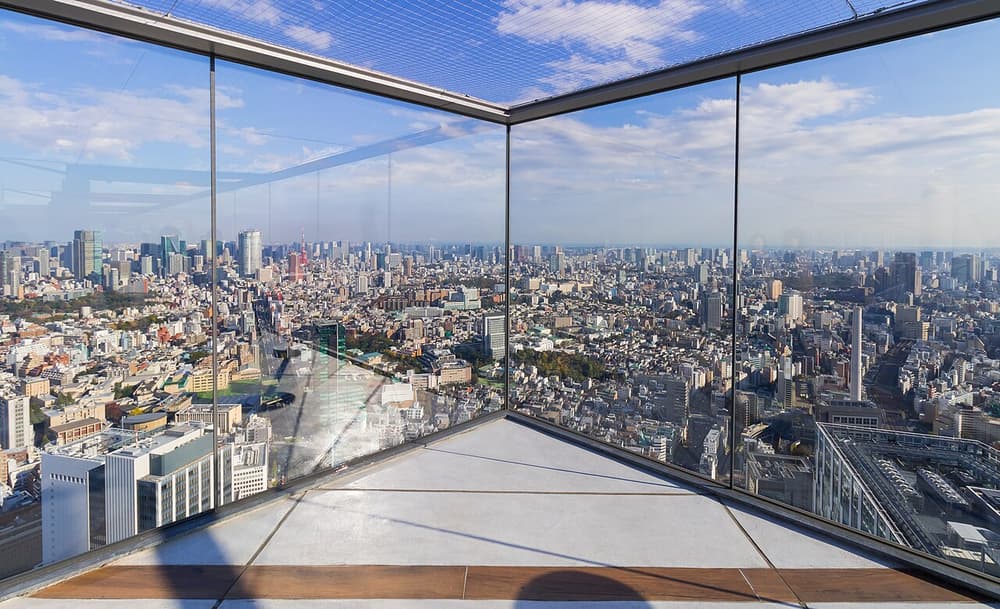
Stand on the open rooftop of Shibuya Sky at sunset, with the Scramble Crossing far below and Mount Fuji on the horizon.

Wade barefoot through light and water at teamLab Planets in Toyosu, or lose yourself in teamLab Borderless at Azabudai Hills.
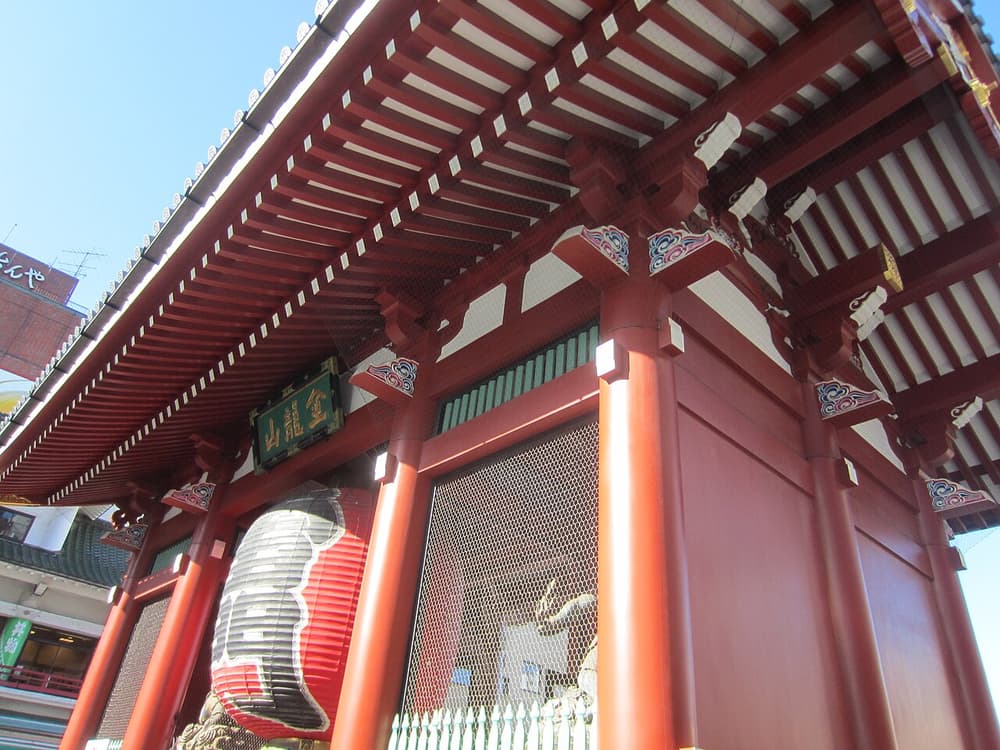
Pass under the great lantern of Kaminarimon to Senso-ji, the city’s oldest temple, and snack your way down Nakamise.

Catch a grand tournament in January, May or September — or watch wrestlers up close at a show or morning practice all year.
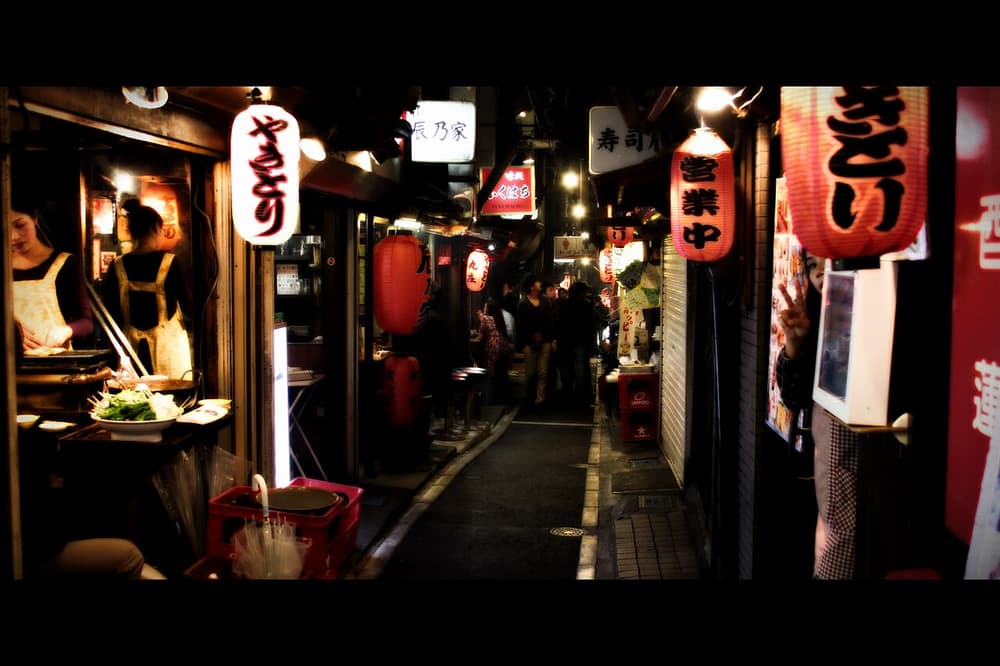
Yakitori smoke in Omoide Yokocho, six-seat bars in Golden Gai, standing sushi and ramen ordered from a ticket machine.
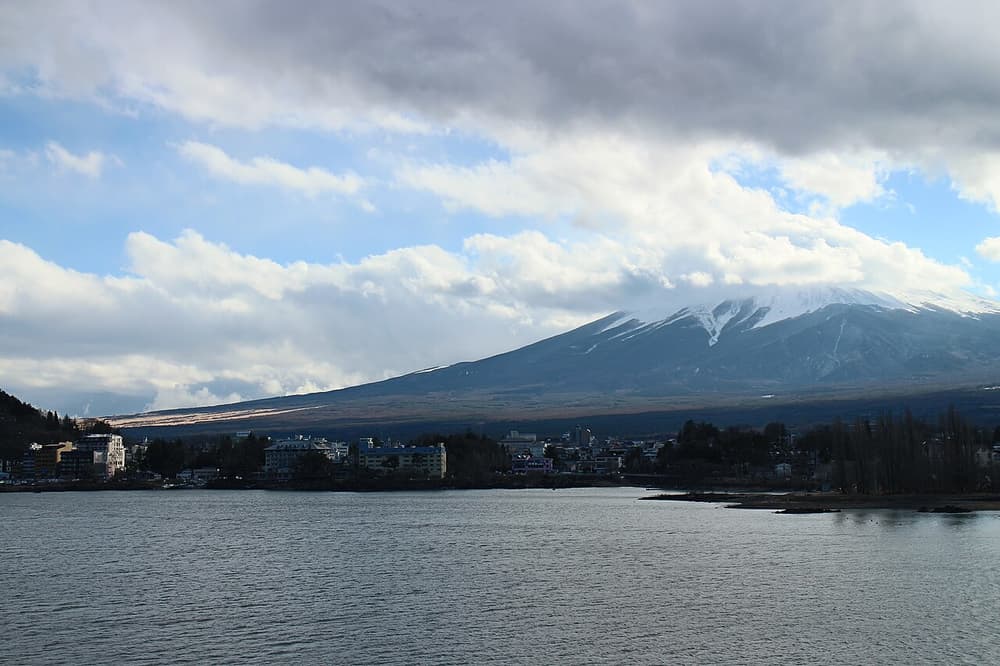
Take a day trip to Lake Kawaguchiko for the pagoda view, lakeside walks and a hot-spring bath facing the summit.
A quick way to decide where to spend your time — and where to book your hotel.
| District | Best for | Atmosphere | Stay here if… |
|---|---|---|---|
| Shinjuku | Nightlife, food alleys, day-trip connections | Neon, crowds, skyscrapers | you want the best transport and late nights |
| Shibuya & Harajuku | Views, shopping, youth culture | Trendy, energetic, young | you like fashion, music and restaurants at the door |
| Asakusa & Skytree | Temples, tradition, river cruises | Old-town, relaxed after dark | you prefer atmosphere and value to nightlife |
| Ginza & Tokyo Station | Shopping, dining, the Imperial Palace | Elegant, orderly, central | you are taking the Shinkansen or want smart hotels |
| Ueno & Yanaka | Museums, markets, old lanes | Down-to-earth, cultural | you arrive at Narita and want good value |
| Akihabara & Kanda | Anime, games, electronics | Colourful, hobby-obsessed | you want a central, quiet-at-night base |
| Roppongi & Azabudai | Art, Tokyo Tower, teamLab Borderless | International, upscale, late | you want luxury hotels and museums |
| Odaiba & Toyosu | teamLab Planets, bay views, families | Spacious, modern, breezy | you are travelling with children or visiting Disney |
| Ikebukuro | Sunshine City, anime, ramen | Busy, local, unpretentious | you want Yamanote Line convenience on a budget |
One top pick from eight different destinations — all real GetYourGuide listings, with free cancellation on most.
Odaiba & Toyosu from €24 Timed admission to the immersive museum in Toyosu, where installations of light, sound and water are designed to be experienced with the whole body.
Shibuya & Harajuku from €81 A guided walk through Shibuya followed by entry to the Shibuya Sky rooftop, with admission included. The time of day depends on ticket availability.
 Shinjuku from €31
A staged but genuinely informative sumo session with former wrestlers: rules, rituals, live bouts and the chance to step into the ring yourself. The best-reviewed sumo option when no tournament is on.
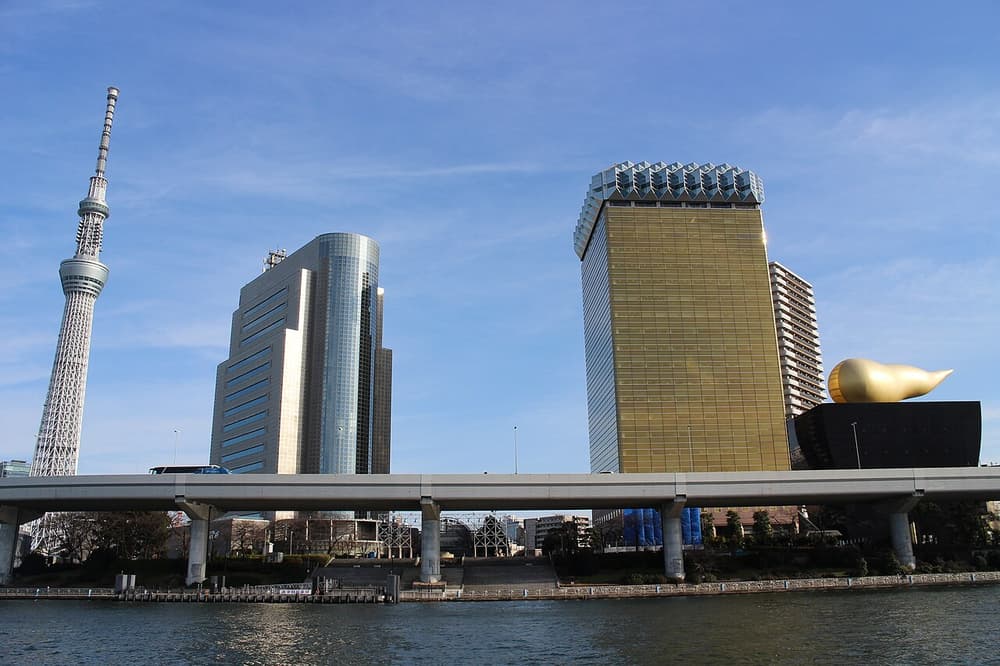 Asakusa & Skytree from €11
Entry to the Tembo Deck at 350 metres, with an optional upgrade to the Tembo Galleria at 450 metres. One of the best-selling tickets in the city.
Mount Fuji & Kawaguchiko from €44 A best-selling coach tour from Tokyo taking in Fuji viewpoints at Lake Yamanaka and Lake Kawaguchi, with photo stops in Fujiyoshida. One of the lowest-priced options.
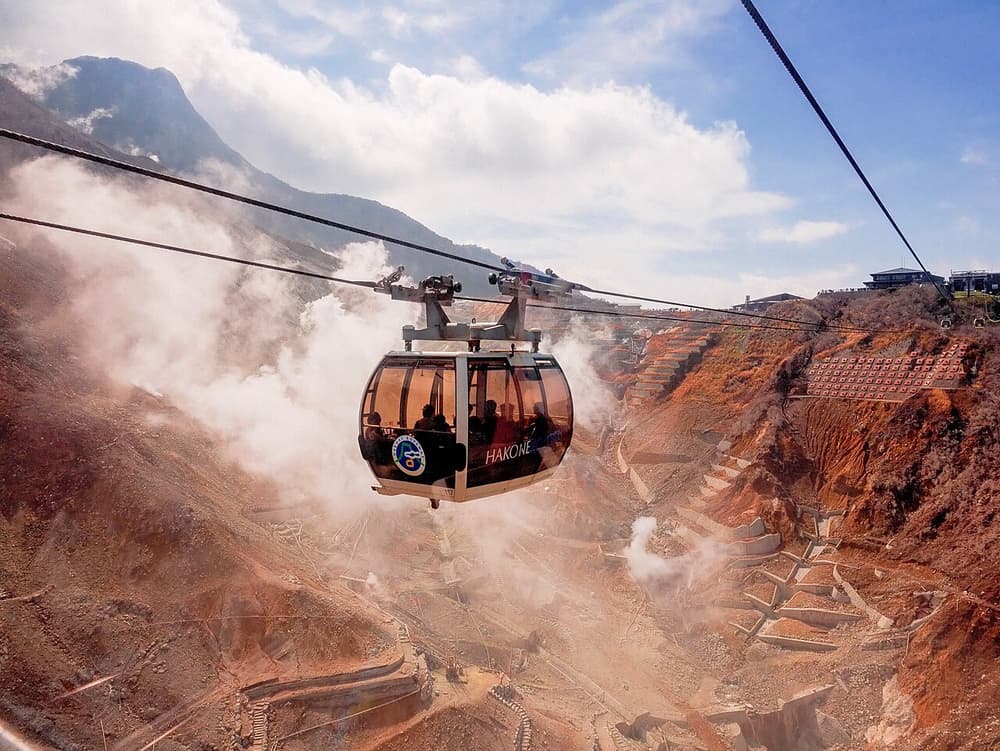 Hakone from €49
A hugely popular coach tour from Tokyo: Fuji viewpoints, Hakone Shrine, Lake Ashi and Lake Yamanaka, and the ropeway over the Owakudani valley.
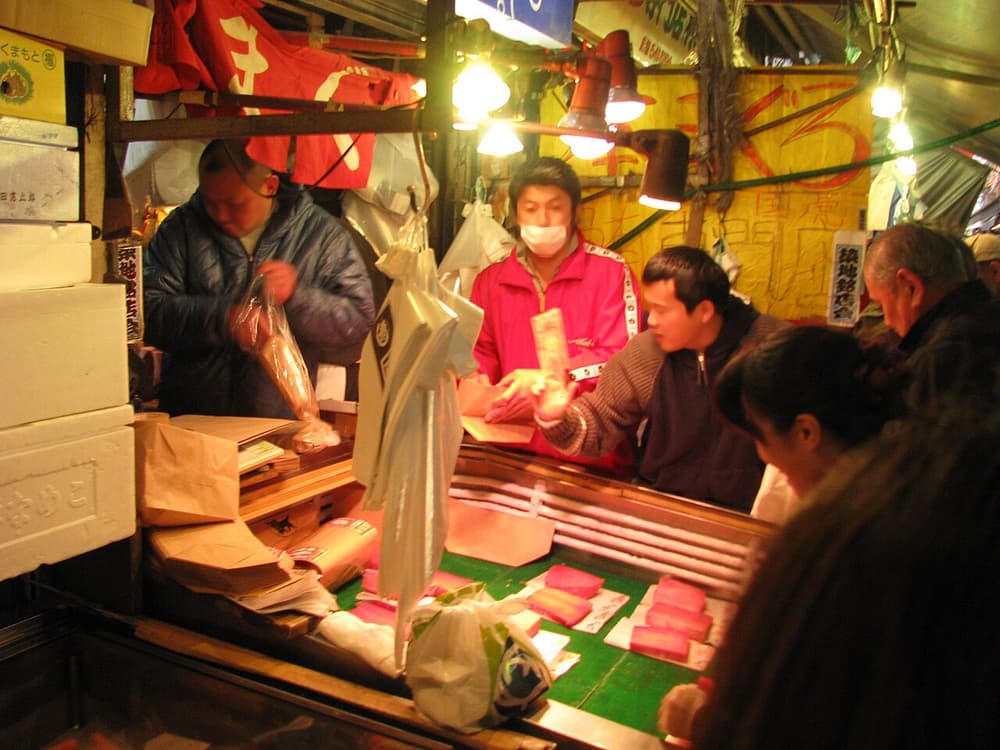 Ginza & Tokyo Station from €11
A walk through the lanes of Tsukiji Outer Market with a local guide who explains Japanese ingredients and culinary traditions.
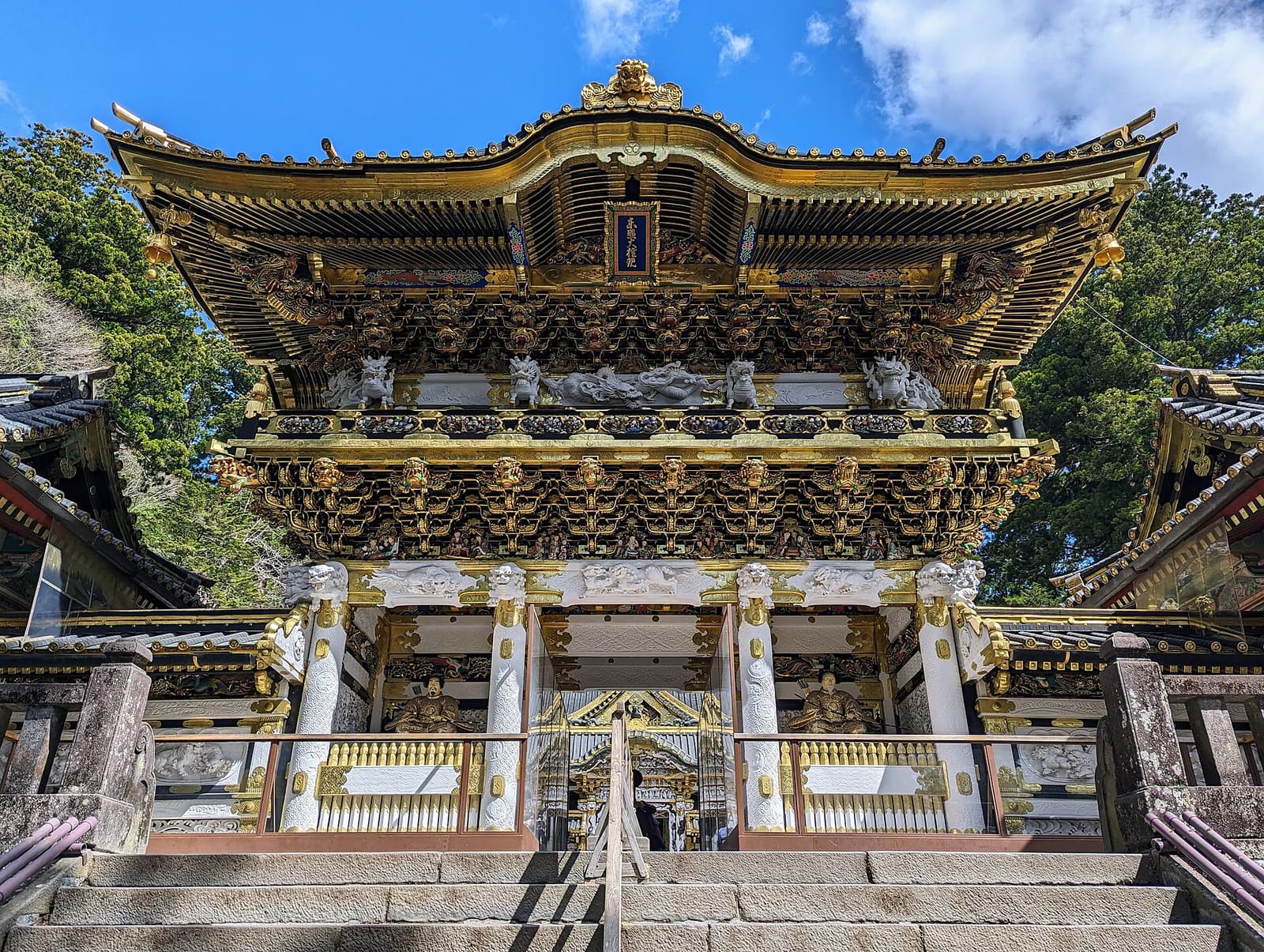 Nikko from €78
A guided coach day from Tokyo to Shinkyo Bridge, Toshogu and the World Heritage shrines, then up to Kegon Falls and Lake Chuzenji.
Cherry blossom in late March and early April, mild days and the biggest crowds of the year. Book early.
A rainy June, then heat and humidity — but also fireworks, festivals and the Mount Fuji climbing season.
Typhoon risk in September gives way to clear skies and, in late November, red maples and golden ginkgo.
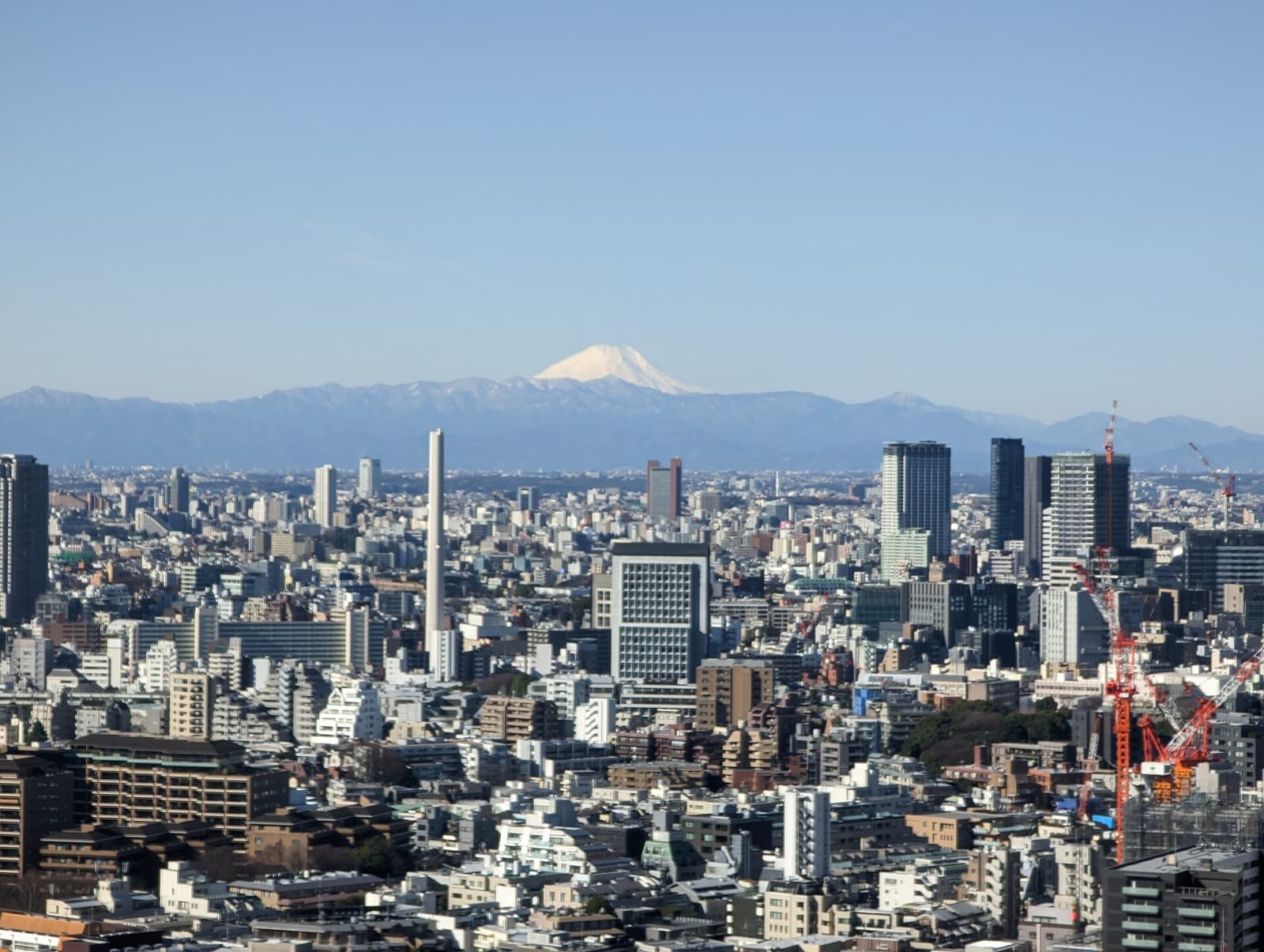
Cold, dry and sunny, with illuminations, few queues and the sharpest views of Mount Fuji.
Today’s most-booked experiences, straight from GetYourGuide.
Three realistic routes that group neighbouring districts and leave room to breathe.
Asakusa and Ueno; Shibuya, Harajuku and Shinjuku; Ginza, the Imperial Palace and teamLab.
The three-day route, a day trip to Mount Fuji or Hakone, and a day for Akihabara, Odaiba or Tokyo Disney Resort.
Everything above, plus Nikko or Kamakura and Yokohama, with a slower day for museums, shopping and neighbourhood walks.
Tokyo has no single centre, so the right district matters more than the right hotel. We compare the main areas and list well-reviewed hotels in each of the fifteen destinations.
Where to stay in Tokyo Timed tickets for teamLab and Shibuya Sky sell out, sumo and food tours run in small groups, and the best Mount Fuji days fill up in sakura and autumn-leaf season. Compare the best-rated options and book in a couple of taps.
Three full days cover the essential districts. Five allow a day trip to Mount Fuji or Hakone and a more relaxed pace; a week lets you add Nikko, Kamakura or Yokohama. See our itineraries.
Shinjuku, Shibuya, the Ginza–Tokyo Station area and Asakusa are the usual choices. Shinjuku has the best transport, Ginza is the calmest and most central, and Asakusa the best value. Our where to stay page compares them.
Haneda is much closer — about 20 to 40 minutes from the centre against 40 to 90 from Narita — so choose it if fares are similar. Both have direct trains and buses; see getting to Tokyo.
No. Within Tokyo you pay small fares with an IC card such as Suica or PASMO. A nationwide rail pass only makes sense if you are also travelling long distances by Shinkansen.
Less than its reputation suggests. Public transport, convenience-store food and casual restaurants are good value, and many major sights are free. Hotels are the largest cost, and prices rise sharply in cherry-blossom season.
Typically from the last week of March to the first week of April, with full bloom lasting about a week. The dates shift a little each year; forecasts are published from January. See when to go.